
10-05-2024
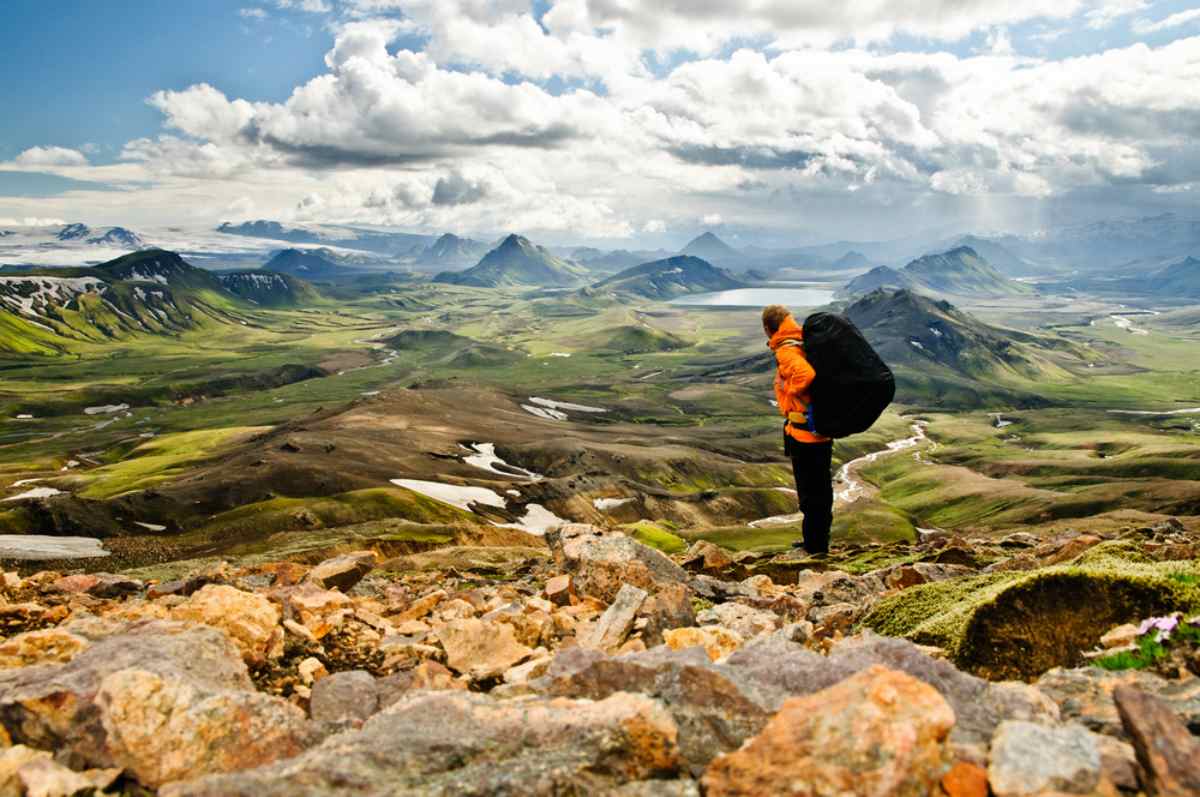
If you've landed on this page, chances are you're contemplating a trip to Iceland in July, and guess what? You're in for a treat! Iceland in July is nothing short of magical, with its nearly endless daylight, vibrant landscapes, and a wealth of activities that can make your trip unforgettable.
Whether it's the mesmerizing midnight sun, the rich cultural festivals, or the breathtaking natural wonders, July has something special in store for every traveler. Through this ultimate guide, we're here to walk you through everything you need to know – from weather specifics to packing tips, and, of course, the top things to see and do.
Wondering if July is a good time to go to Iceland? You're not alone in pondering this question. July, with its unique blend of natural phenomena and cultural festivities, positions itself as a premier time for explorers. But like any destination, there are two sides to the coin.
Nearly Endless Daylight: Thanks to the midnight sun, you get more time for activities and exploration.
Warm Temperatures: Relatively warmer weather makes for comfortable sightseeing and fewer layers to pack.
Vibrant Festivals: Experience the rich Icelandic culture with numerous festivals and events happening in July.
Crowds: Being peak season, expect more tourists and potentially higher prices.
Brief Nights: If you're wondering whether you can see the Northern Lights in Iceland in July, then, unfortunately, the answer is no. The midnight sun, which brings nearly 24 hours of daylight during this time, makes it impossible to see the aurora borealis in July.
Occasional Rain: While the weather is generally good, there are still some rainy days in July.
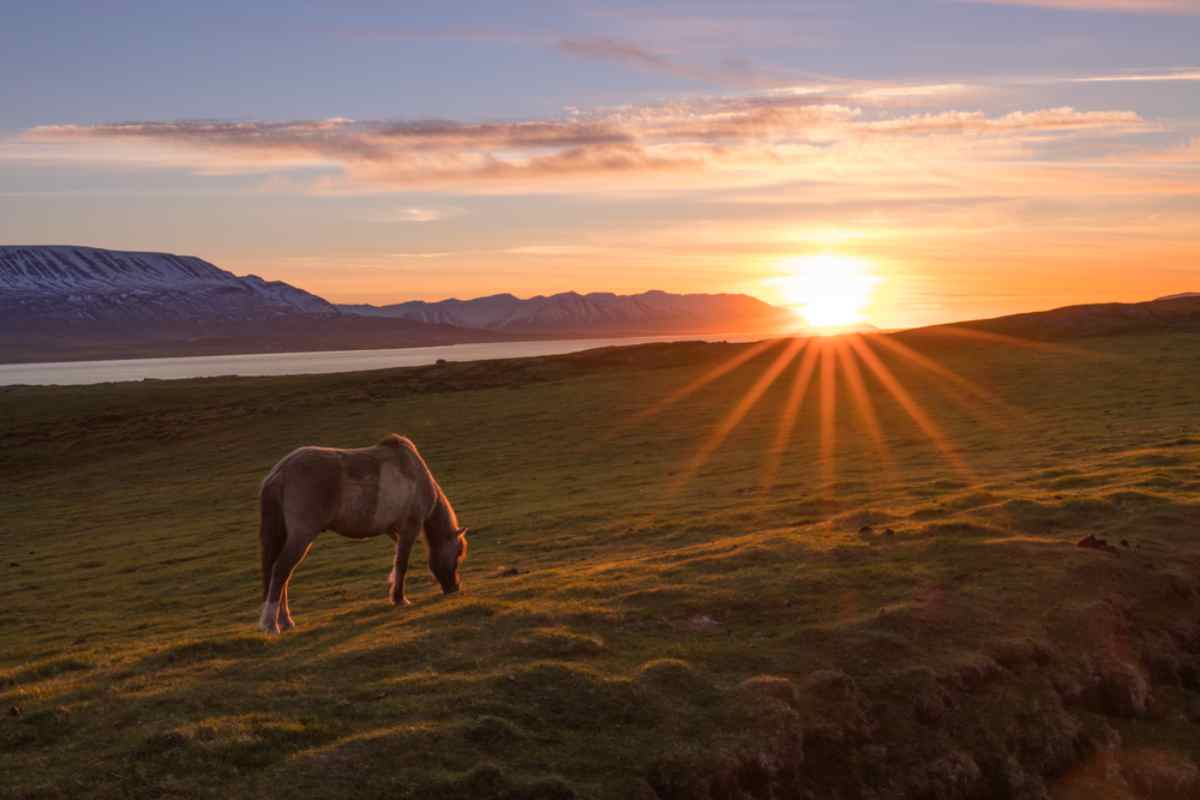
The weather in Iceland in July typically offers some of the most pleasant conditions of the year. Bright, sunny days dominate the month, making it ideal for exploring Iceland's stunning landscapes. Gentle breezes and mild weather ensure a comfortable experience for all outdoor activities. Here is a breakdown of the July weather in Iceland:
You might be wondering about the rain if you're planning to visit Iceland in July. Well, July does see a bit of rain, with an average rainfall of around 2 inches (50 millimeters). Expect rain on an average of about 10 days throughout the month.
But don't let this dampen your spirits! Despite these rainy days, July remains one of the sunniest and brightest periods to explore Iceland's incredible landscapes. Plus, compared to other times of the year, July actually experiences comparatively less rainfall.
The temperature in Iceland in July is quite pleasant, striking the perfect balance for summer adventurers. You'll find the average daytime temperature sitting comfortably around 55 °F (13 °C), with peaks that can reach up to 68 °F (20 °C). It's not tropical weather, but it's mild and extremely conducive for savoring the Icelandic summer to its fullest.
The sunset in Iceland in July is something you've got to see to believe! With sunrise around 3:00 AM and sunset lingering until about 11:55 PM, the land basks in roughly 20 hours of glorious daylight. While exact times can vary, with the sun typically rising at 3:58 AM and setting around 11:00 PM, there's an undeniable magic in the extended daylight. For more accurate times, you can always check the official Icelandic weather website.
Packing for Iceland in July is all about layers. Here's a quick Iceland July packing list to help you stay prepared and comfortable:
Waterproof Jacket: Essential for those occasional rainy days.
Light Sweater or Fleece: For the cool evenings.
Thermal Layers: For early mornings and adventure activities.
Sunscreen & Sunglasses: The sun barely sets, offering ample sun exposure.
Sturdy Hiking Shoes: For those planning to explore the outdoors.
Get ready to fill your itinerary because we're about to explore the top 20 things to do in Iceland in July. From mesmerizing landscapes to unique cultural experiences, there's no shortage of unforgettable moments awaiting you. Here's our hand-picked list of must-see and must-do activities for your July trip to Iceland:
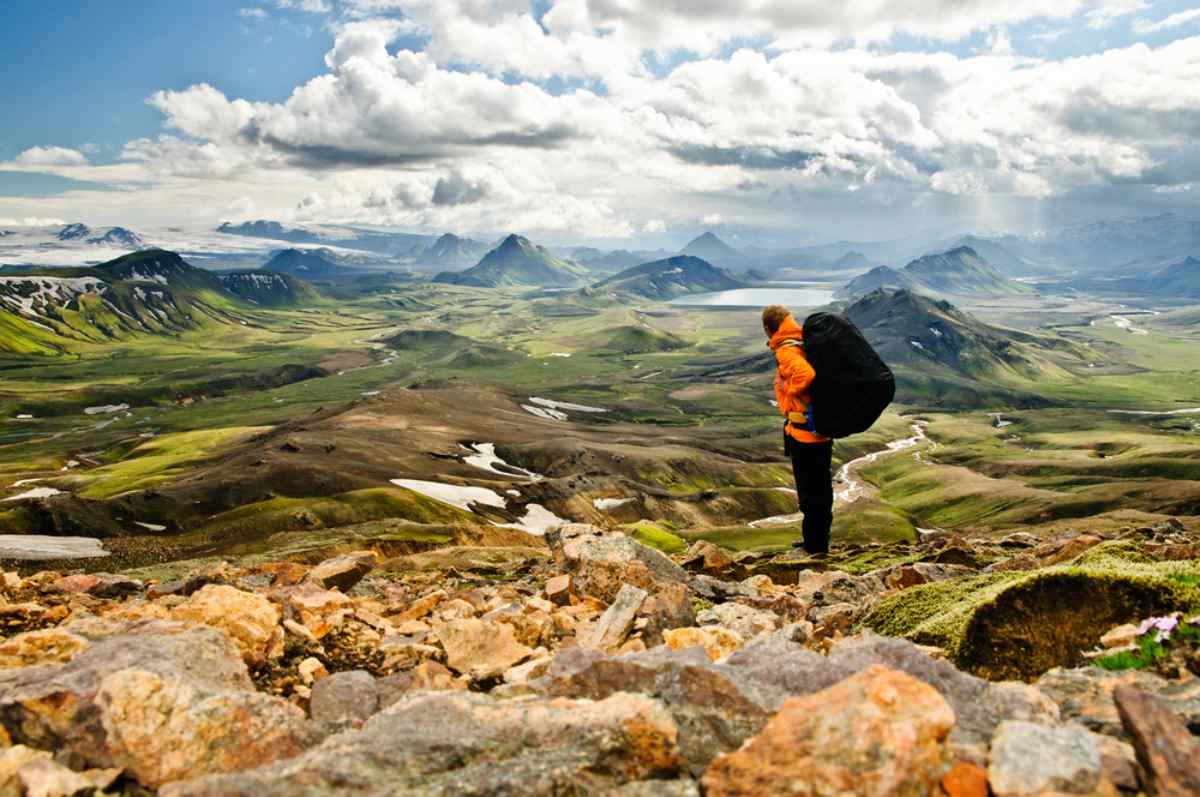
When it comes to hiking in Iceland in July, the Laugavegur Trail should be high on your list. Covering a distance of approximately 35 miles (55 kilometers) from Landmannalaugar to Thorsmork, this trail offers one of the most unique landscapes on the planet. Think towering mountains, glaciers stretching towards the horizon, and black sand basalt fields that feel like stepping onto the moon. It's a breathtaking experience that combines dramatic scenery with pure adventure.
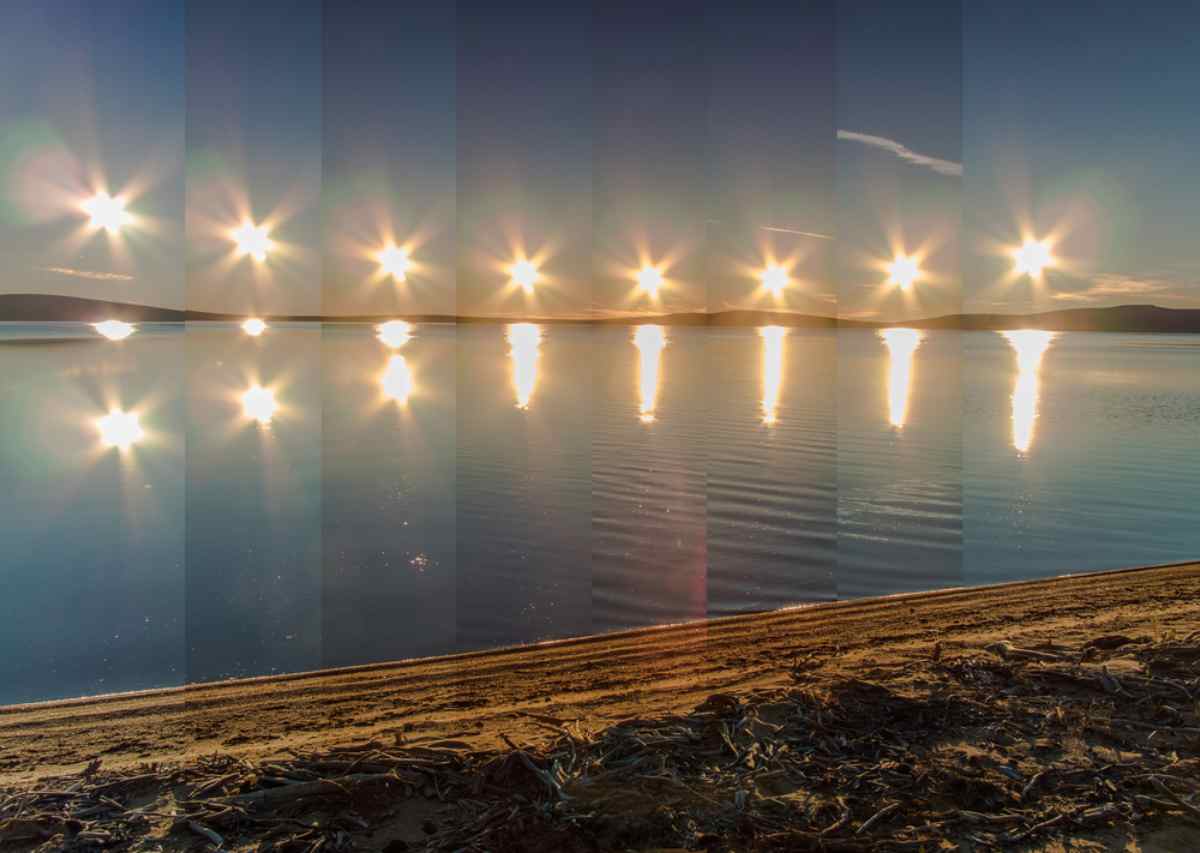
If you're wondering what to see in Iceland in July, the Midnight Sun tops the list! Imagine a world where night never fully falls, and you're picturing Iceland from mid-May to mid-July. This celestial spectacle keeps the Icelandic nights brilliantly illuminated, banishing darkness and bathing the land in a perpetual twilight. Sure, this endless light might challenge your sleep schedule, but with dark shades or a cozy sleeping mask, you'll be dreaming in no time.
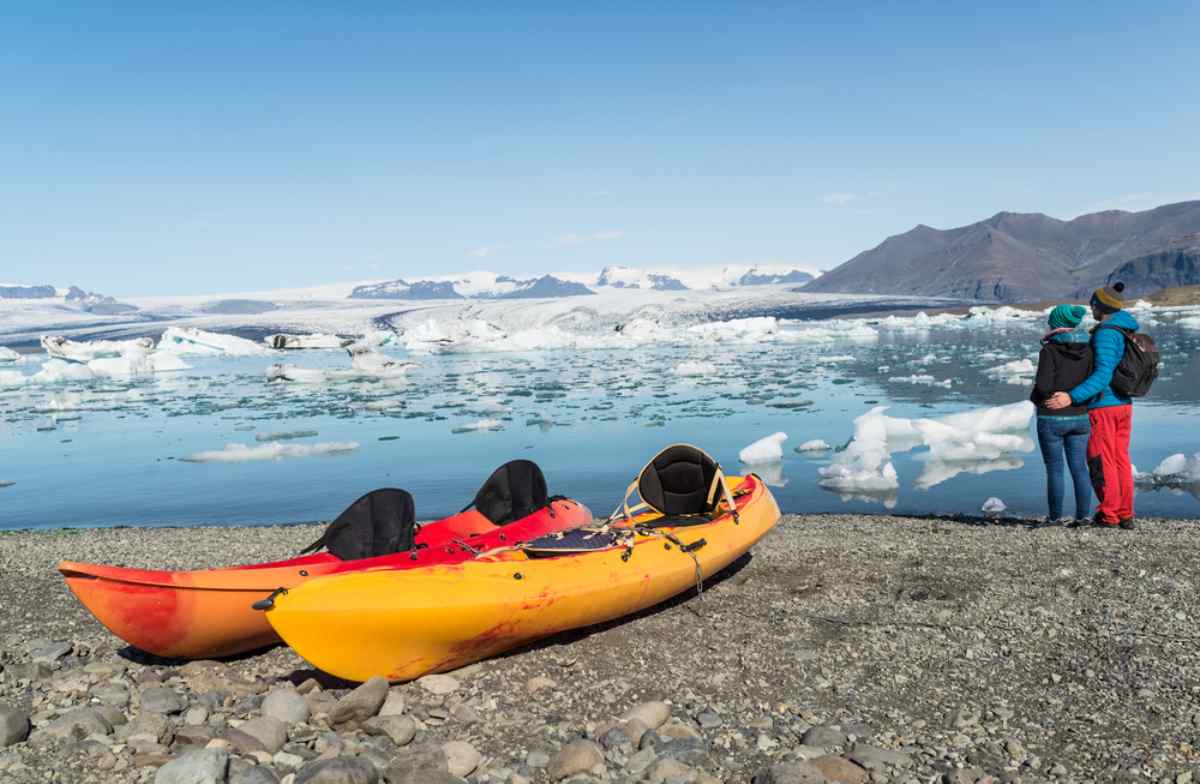
Kayaking in Jökulsárlón Glacier Lagoon is not just an activity; it's an experience, putting it on the list of top things to do in Iceland in July. Imagine gently paddling amongst towering icebergs, with the glacier's majesty as your backdrop. This adventure offers a unique perspective of Iceland's iconic ice lagoons, making it an absolute must-do for those seeking both tranquility and thrill.
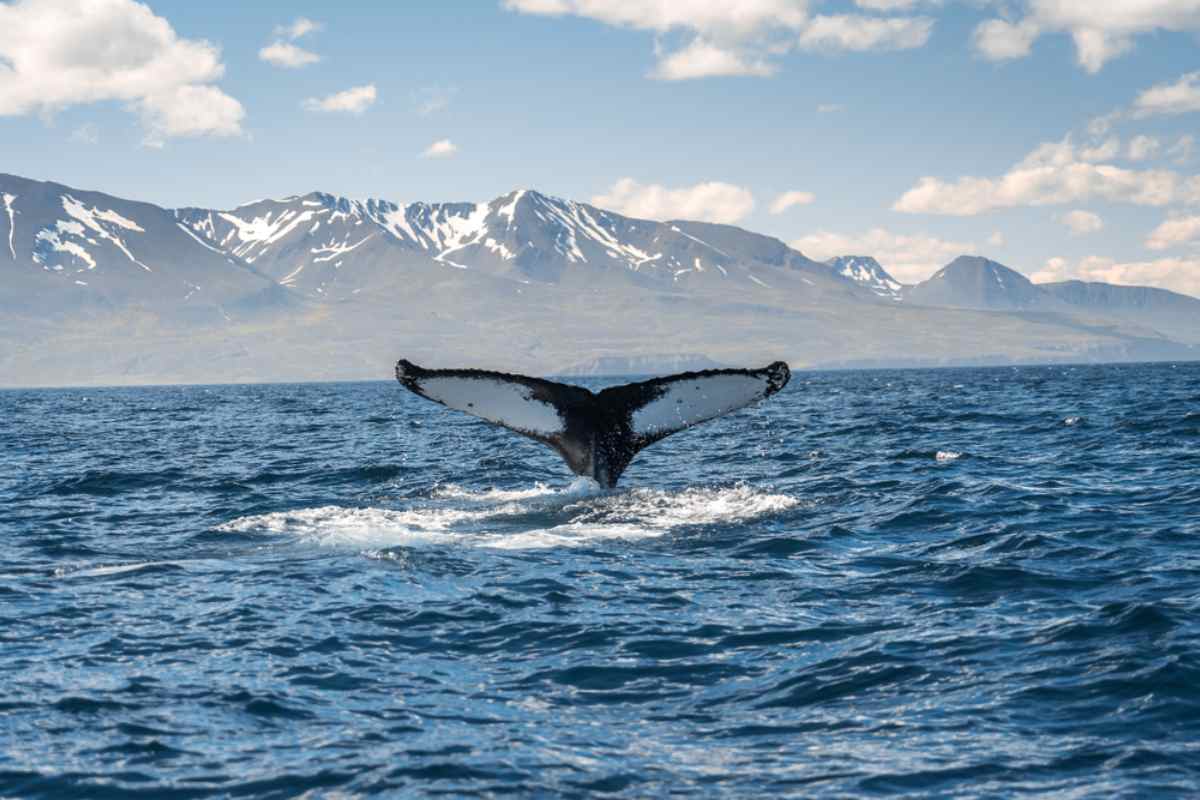
Whale watching in Iceland in July is truly special, and Húsavík is the place to be for this breathtaking experience. Known as the whale-watching capital, Húsavík's waters are teeming with life, offering an incredible opportunity to see these majestic creatures in their natural habitat. With calm seas and clear skies, July provides the ideal conditions for making memories that will last a lifetime.
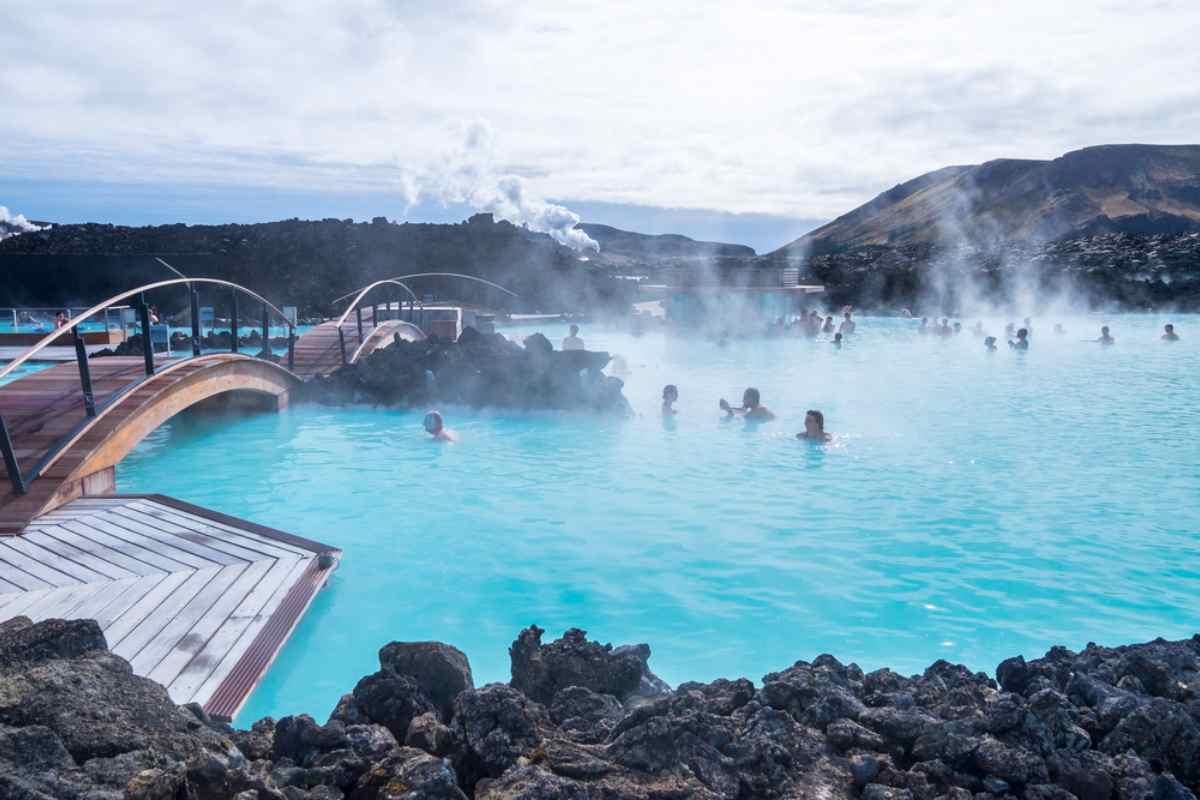
Lounging in the Blue Lagoon in Iceland in July is a surreal experience, with its steamy, mineral-rich waters creating a spa paradise. Open from 8 AM to 11 PM from July to August, the extended hours offer plenty of time for soaking under the endless daylight.
Visiting Iceland in July offers the unmatched opportunity to witness Landmannalaugar's vibrant volcanic landscapes. This region's otherworldly beauty is accentuated by rhyolite mountains that paint the terrain in a kaleidoscope of colors. Ideal for both avid hikers and casual walkers, the striking contrasts and geothermal hot springs make this a must-see destination.
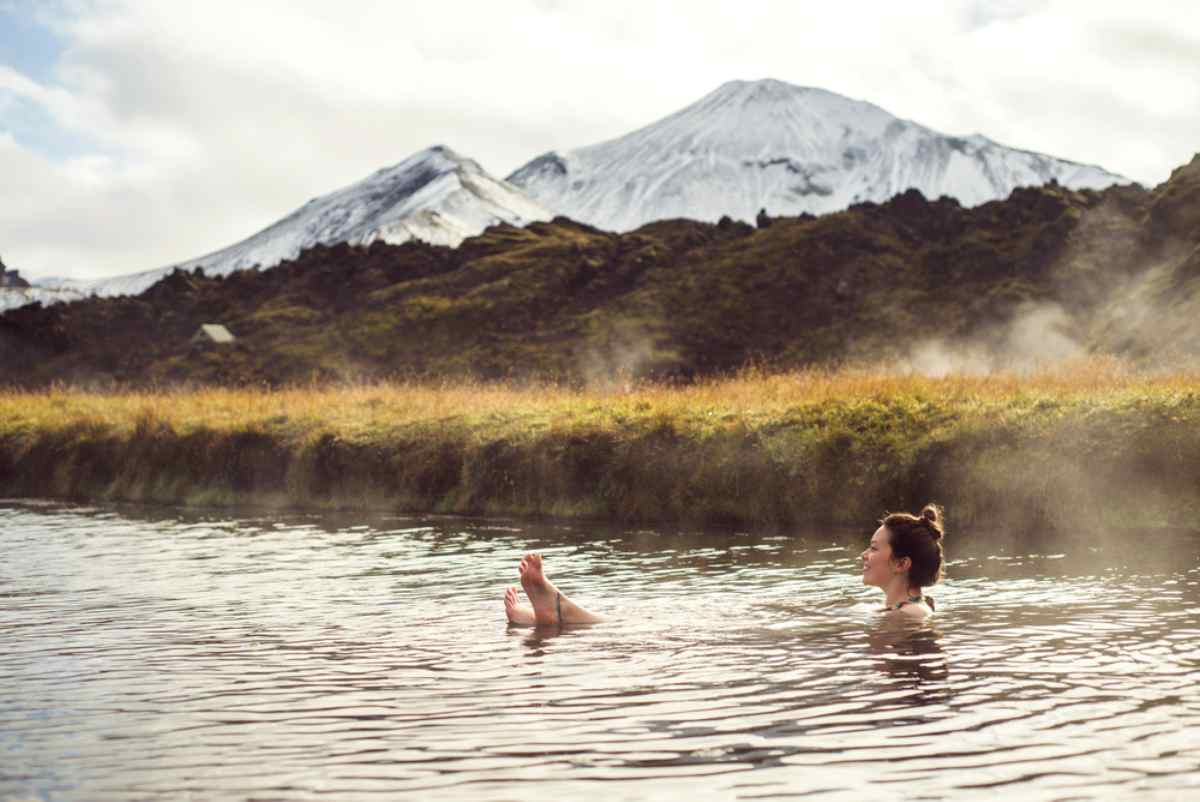
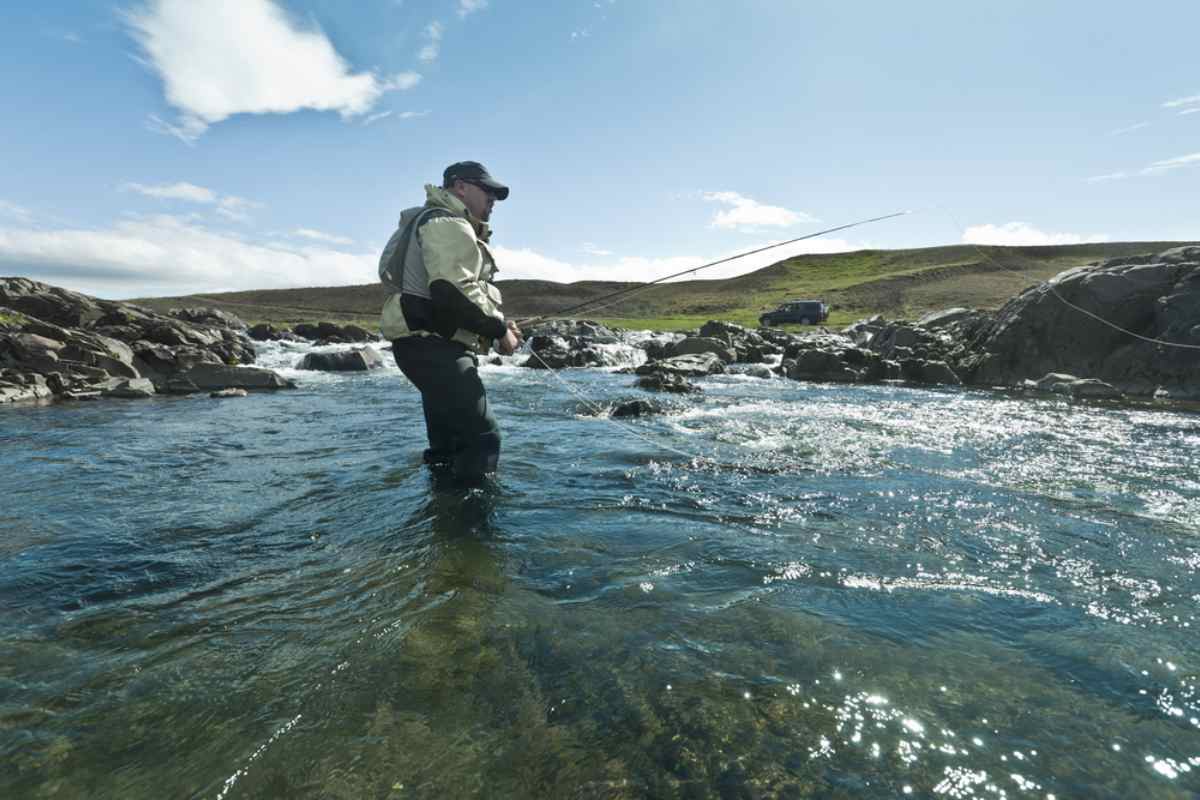
July is the prime time for salmon fishing in Iceland, with the biggest fish making their grand appearance from mid to late July. The season starts in June and keeps going strong until mid-September. Most rivers, especially those famous for salmon and Arctic char, open up in July, inviting anglers from around the globe. For the best experience, consider joining one of the many fishing tours in Iceland in July; they know the best spots like the back of their hands!
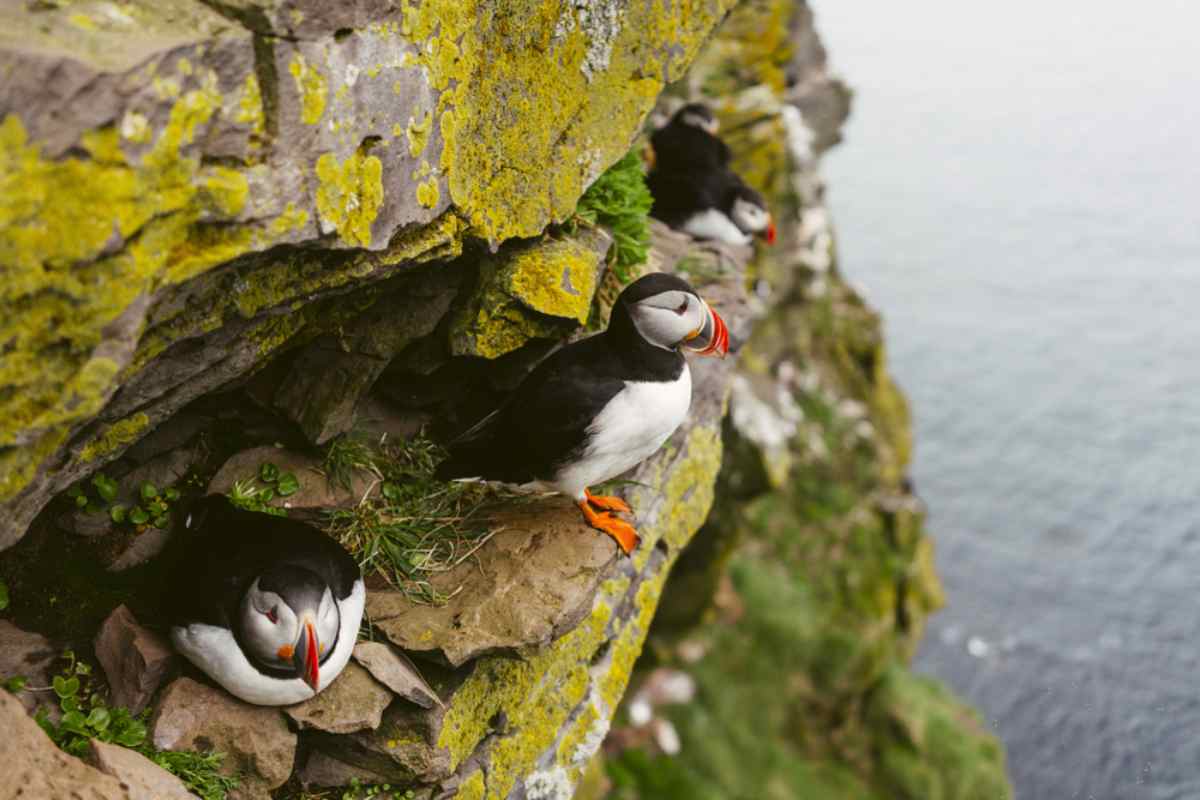
Catching sight of puffins in Iceland in July is like hitting the nature jackpot. The prime breeding months from May to July mean you're visiting at the heart of puffin season. Látrabjarg Cliffs, vibrant and bustling from late April to early September, offer the best visibility, giving you a front-row seat to these charismatic birds in their natural breeding splendor.
Camping in Iceland in July is an absolute must-do. The weather is as friendly as the locals, and the days are endlessly long, giving you plenty of sunlight to explore and then unwind under the sky's twilight glow. Campsites like the Höfn campsite offer fantastic facilities, stunning views, and easy access to activities like fishing, hiking, and bird watching.
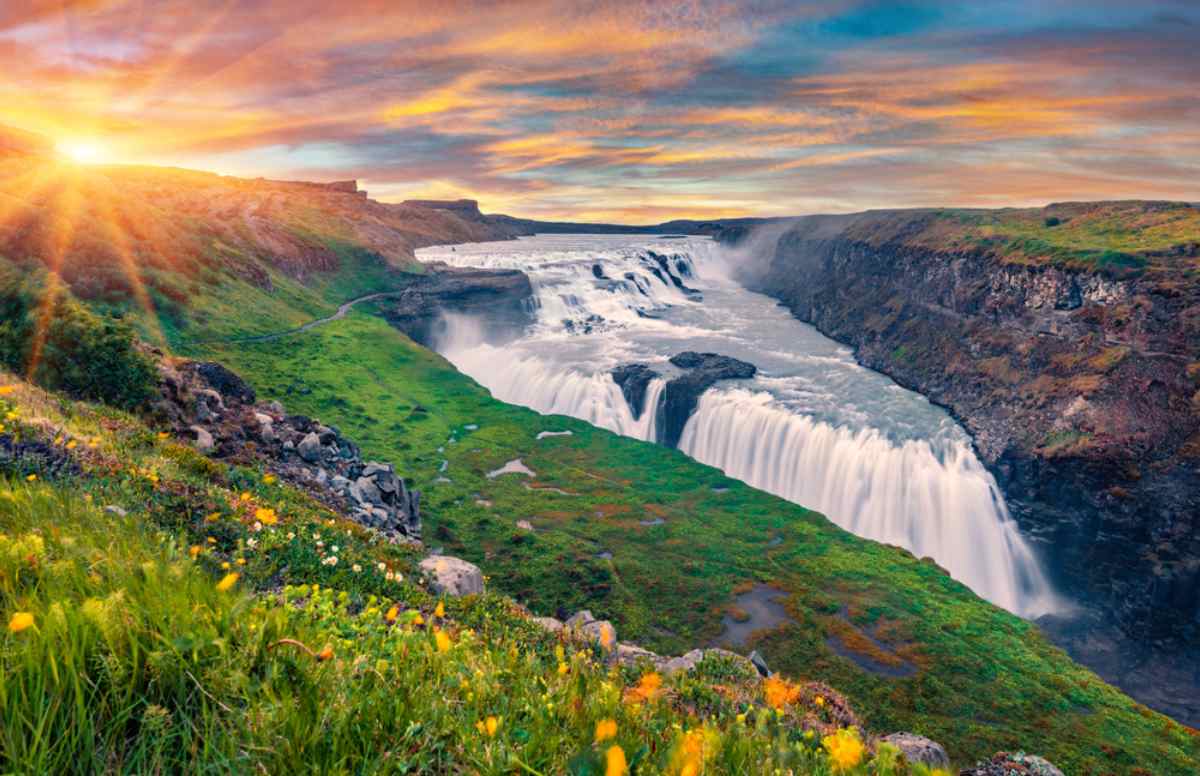
A trip to Gullfoss Waterfall is a must when you're in Reykjavík in July. Just a scenic 1h 40m drive from Reykjavík, the falls feature a double cascade that drops 102 feet (32 meters) into a narrow canyon carved by the powerful Hvítá River. In July, you'll experience an impressive flow fueled by the melting glaciers, making it one of the most spectacular sights in Iceland.
Cycling around the Golden Circle is one of the top things to do in Iceland in July. There are tours that combines a private mini-bus with a unique bicycle ride, covering all three southwest highlights: the Geysir geothermal area, the majestic Gullfoss Golden Waterfall, and the historic Thingvellir Parliament Plains. Experience Iceland's most scenic locations in a whole new way.
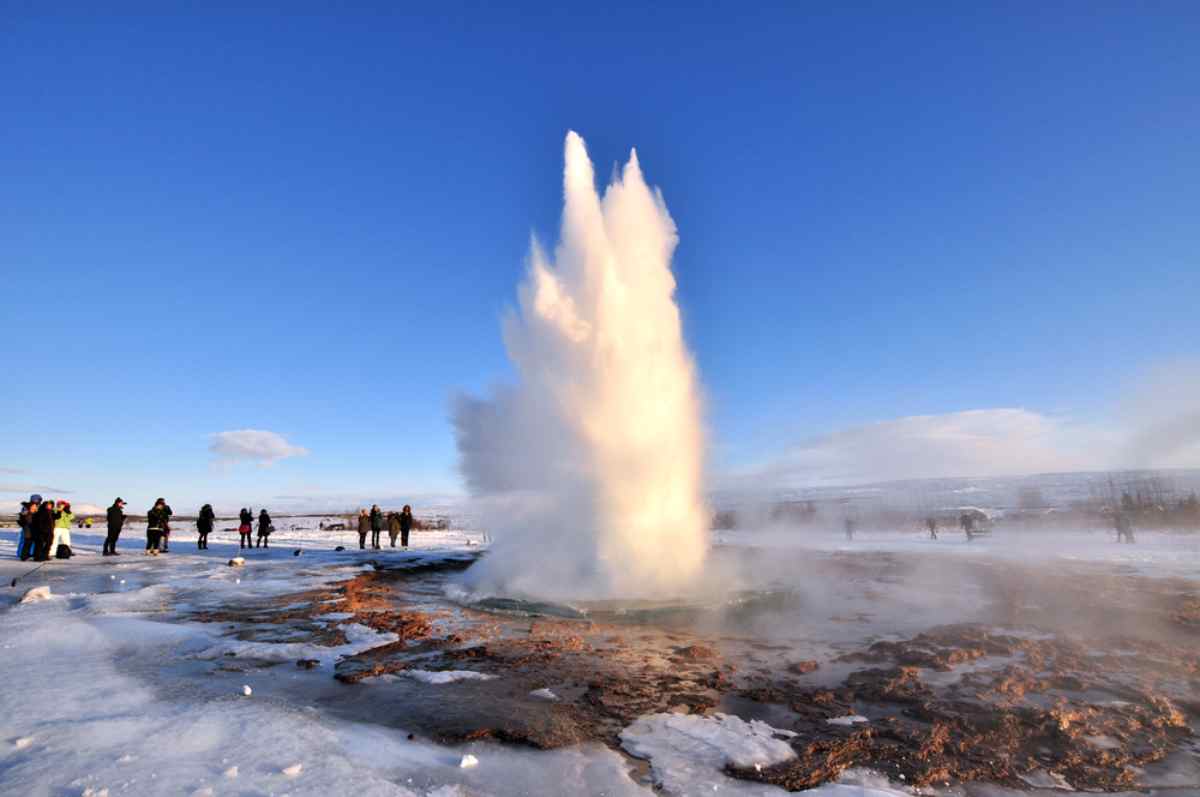
Visiting Iceland in July is incomplete without conquering the Mount Esja Hiking Area, a favorite among Reykjavik locals and travelers alike. Offering multiple trails ranging from breezy 1-mile (1.6 km) walks to challenging 4.5-mile (7.2 km) treks, there's something for every level of adventurer. Depending on your chosen path, prepare for a 30-minute to 5-hour journey, ascending up to 229 feet (750 m).
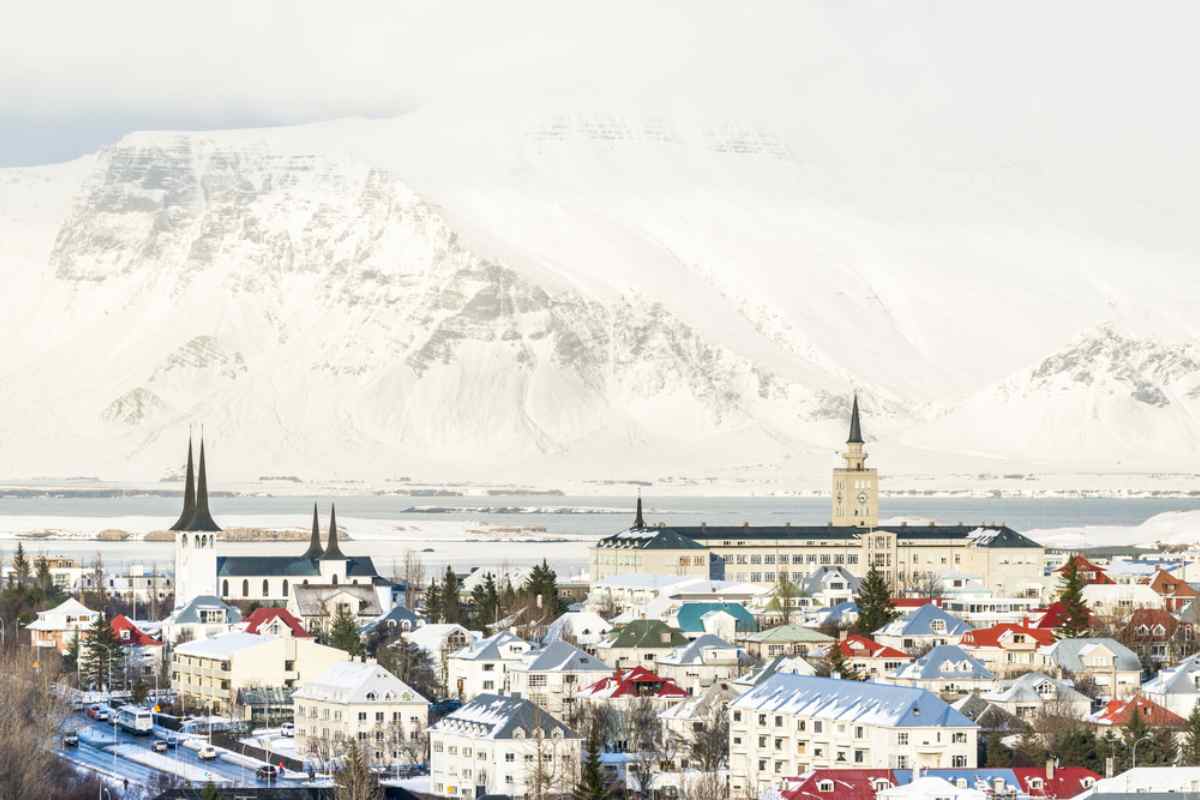
Not to be missed, savoring Icelandic cuisine on a food tour is among the top things to do in Reykjavík in July. Food tours like Reykjavik Food Walk offer fantastic opportunities to try traditional dishes, such as skyr (yogurt-like dairy product) and plokkfiskur (fish stew) while exploring the city's vibrant culinary scene.
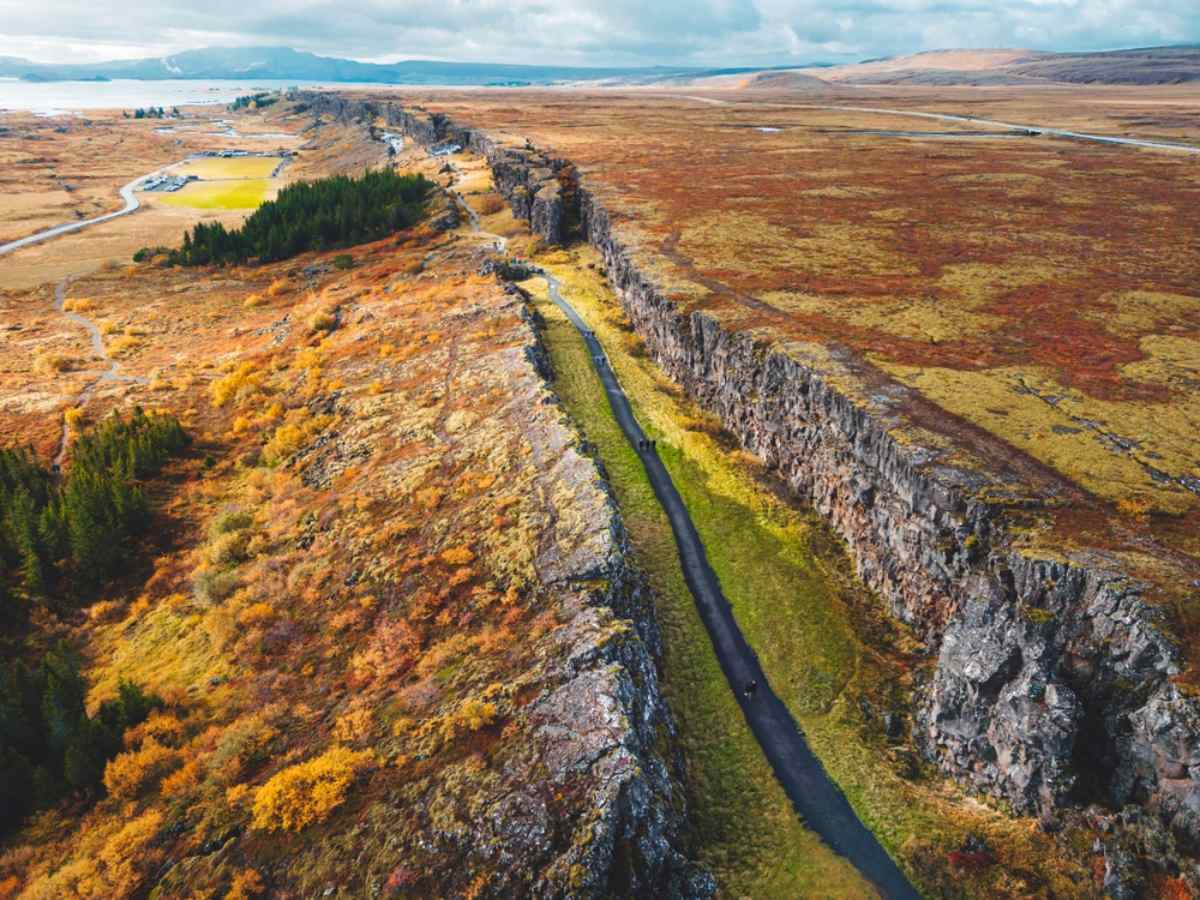
When pondering what to see in Iceland in July, Þingvellir National Park is unmissable. This UNESCO World Heritage Site is steeped in history, being the birthplace of the Icelandic parliament. Surrounded by stunning natural beauty, it offers a unique blend of cultural significance and outdoor adventure—perfect for anyone looking to immerse themselves in Iceland's rich heritage.
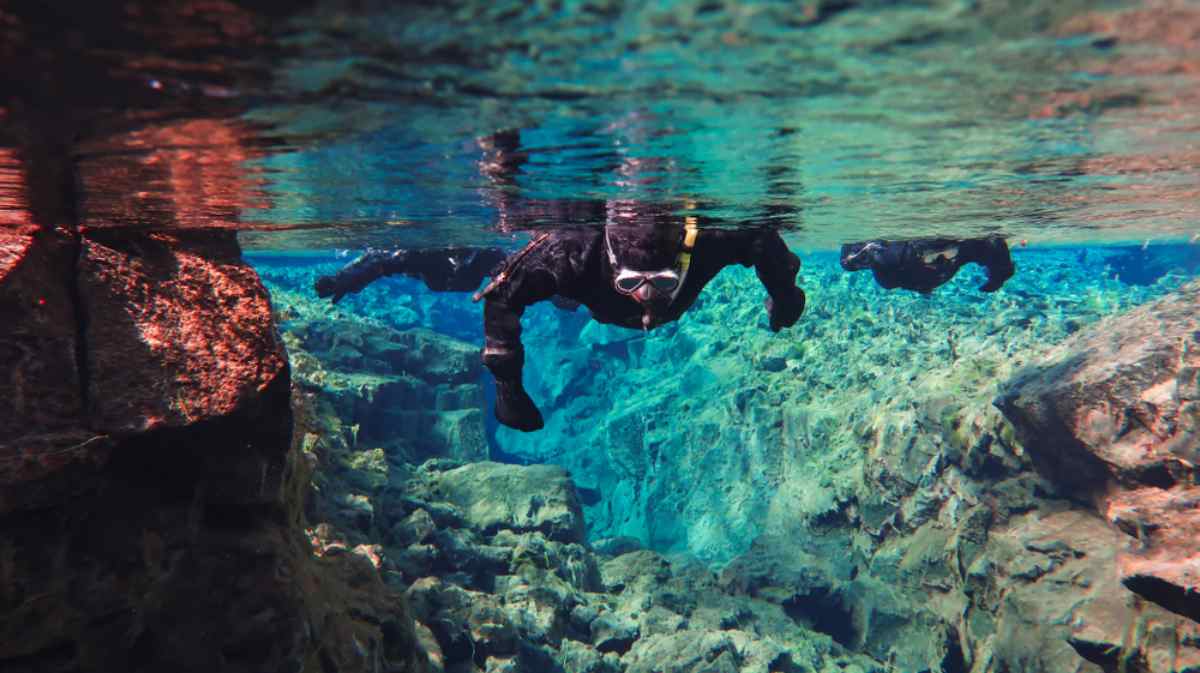
Did you know that in Iceland, you can float between two continents in July? At Silfra Fissure, located in Thingvellir National Park, you're in for a unique experience. Imagine snorkeling or diving in crystal-clear glacial meltwater from Langjökull glacier, with visibility up to 328 ft (100 m)! Despite the chilly 37°F (2°C) water, the underwater views are unmatched, making for an unforgettable adventure.
Made for adventurers, July is the perfect time to explore Iceland's Highlands on a super jeep tour. Traverse rugged terrain and witness impressive natural wonders like the Hraunfossar waterfalls and Langjökull glacier in the comfort of a modified four-wheel-drive vehicle—a must for those looking to take their Icelandic adventure to the next level.
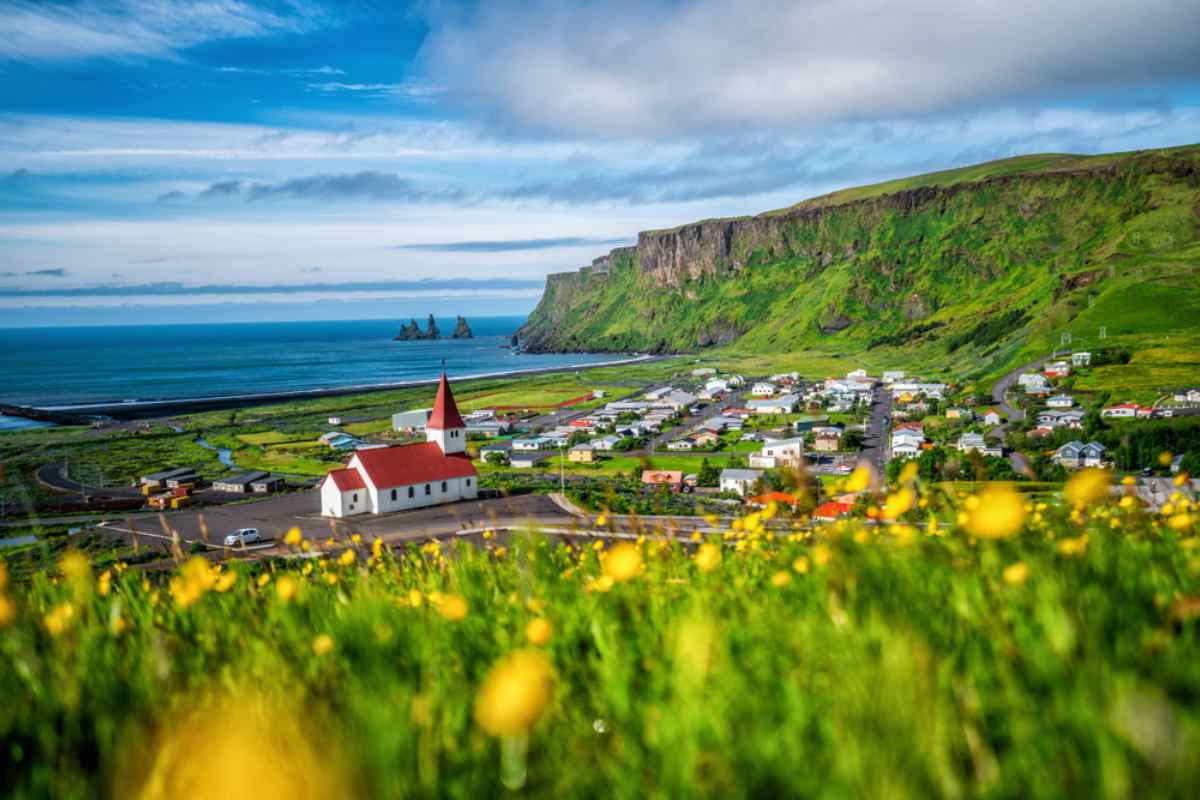
Iceland's black sand beaches are a quintessential summer destination. Head to the Vík area for some of Iceland's most beautiful stretches of black sand, such as Reynisfjara or Vik Beach. While hazardous waves make swimming inadvisable, you can take in the dramatic views of Reynisdrangar sea stacks and basalt columns from a safe distance.
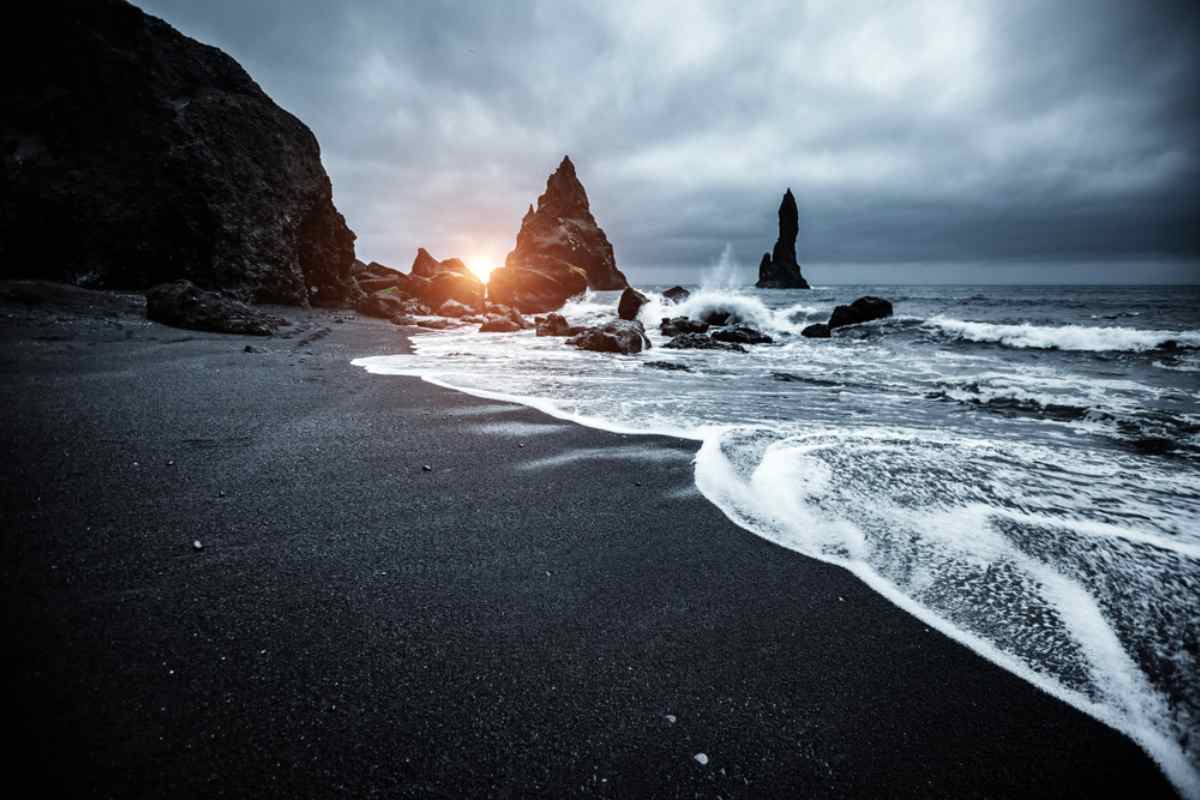
Visiting Iceland in July isn't complete without dipping into some of the many natural hot springs scattered across the country. Reykjadalur Hot Spring Thermal River is a popular spot for its stunning views and waterfalls.
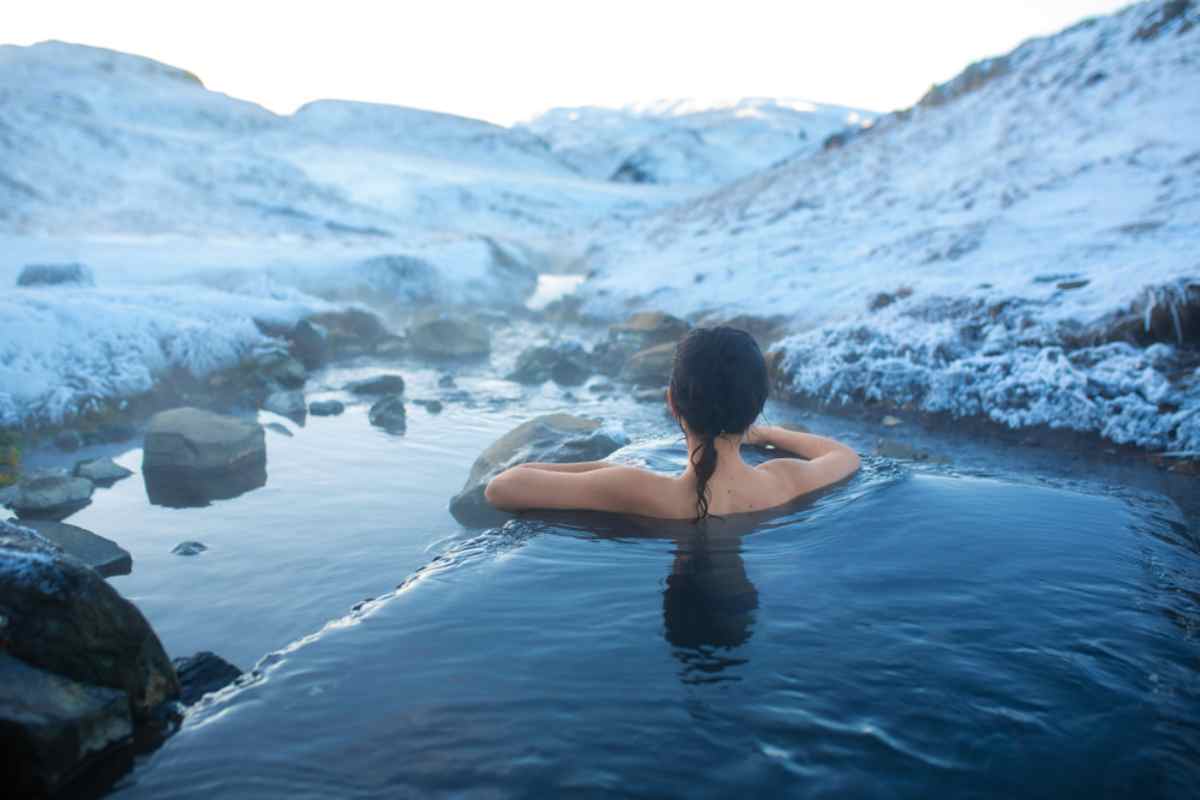
For a unique way to explore Iceland's natural beauty and rugged landscapes, try horseback riding. The iconic Icelandic horses are known for their smooth gait and calm disposition, making them perfect for riders of all levels. Riding tours can take you through lava fields, along black sand beaches, or even up mountains.
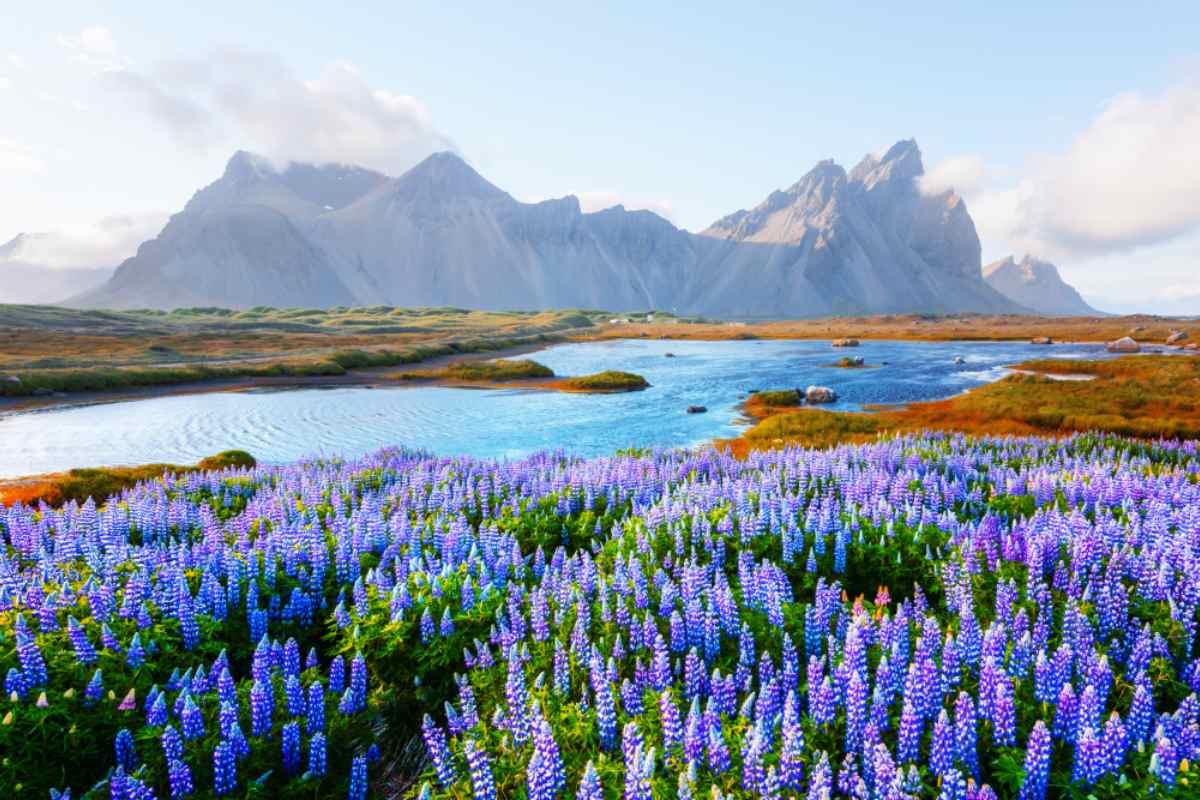
One of the most picturesque things to do in Iceland in July is wandering through the luminescent lupine fields. These violet beauties typically start to bloom in late June, reaching their peak in July. Each year, their blossoms paint the landscape in vibrant hues, providing a stunning backdrop for photos and leisurely strolls.
With so many Iceland festivals in July 2024 to choose from, you're spoiled for choice. From music and cultural celebrations to sporting events and food festivals, here are some of the top events happening across the country:
In the heart of Seyðisfjörður, the LUNGA Art Festival emerges as a cultural beacon each July. Since its inception in 2000, this annual spectacle has celebrated over two decades of creativity, marrying art and music in an idyllic summer setting. Scheduled in mid-July, its week-long program is a tapestry of workshops, lectures, and immersive activities, all culminating in a grand finale of exhibitions and concerts.
In mid-July, Iceland hosts The Runners' Festival, a family-friendly extravaganza blending running, swimming, and cycling competitions. Aimed at all ages, activities for kids include cycling and jogging. For a change of pace, there's also yoga. The event wraps with a cozy concert in a local backyard.
Venturing to Siglufjörður for the Folk Festival, running from July 3–7, 2024, is undoubtedly among the top things to do in Iceland in July. Nestled in Siglufjörður, this event is a melodious blend of Scandinavian, Icelandic, and World Music, making every note a new discovery in the heart of Iceland's stunning landscapes.
For those exploring things to do in Iceland in July, the Eistnaflug Festival is a standout event, especially if you're into heavy metal. Held annually on the second weekend of July in Neskaupstaður, a quaint town embraced by an isolated fjord bathed in continuous daylight. With over 60 bands rocking diverse genres, Eistnaflug is a music lover's paradise, blending intense performances with the surreal beauty of East Iceland.
If you're visiting Iceland in July, don't miss the Bræðslan Music Festival. It's unlike anything you've experienced, set in an old, abandoned fish factory in Borgarfjörður Eystri. The festival, happening annually on the last weekend of July, combines its unique charm with an intimate atmosphere, guaranteeing an unparalleled experience.
View this post on Instagram
Renting a car in Iceland is the best way to explore the country at your own pace. July, with its mild weather and long daylight hours, provides the perfect conditions for road tripping. Plus, with Iceland's Ring Road circling the entire country, there are endless opportunities for scenic drives and epic adventures.
You can also grab a 4x4 vehicle since the F-Roads in the Highlands are accessible during this time of year. Just make sure to book your car rental in advance, as July is a popular month for tourists in Iceland.
Planning your Iceland road trip in July? Here are some top-notch self-drive itineraries to help you capture the essence of this beautiful country.
The Golden Circle route is a must-do. It's a compact loop that features some of Iceland's most iconic sights, including the powerful Gullfoss waterfall, the geothermal area of Geysir, and the stunning Thingvellir National Park. This itinerary is perfect if you're short on time but still want to experience the magic of Iceland's landscape. Expect to be done in just a day, making it an ideal introduction to what the country has to offer.
For those with a bit more time, the South Coast offers breathtaking views and unforgettable experiences. Starting from Reykjavik, you'll pass by cascading waterfalls like Seljalandsfoss and Skogafoss, black sand beaches at Reynisfjara, and the mesmerizing Jokulsarlon Glacier Lagoon. Allocate 2-3 days for this trip to really soak in the sights and perhaps even join a glacier hiking tour.
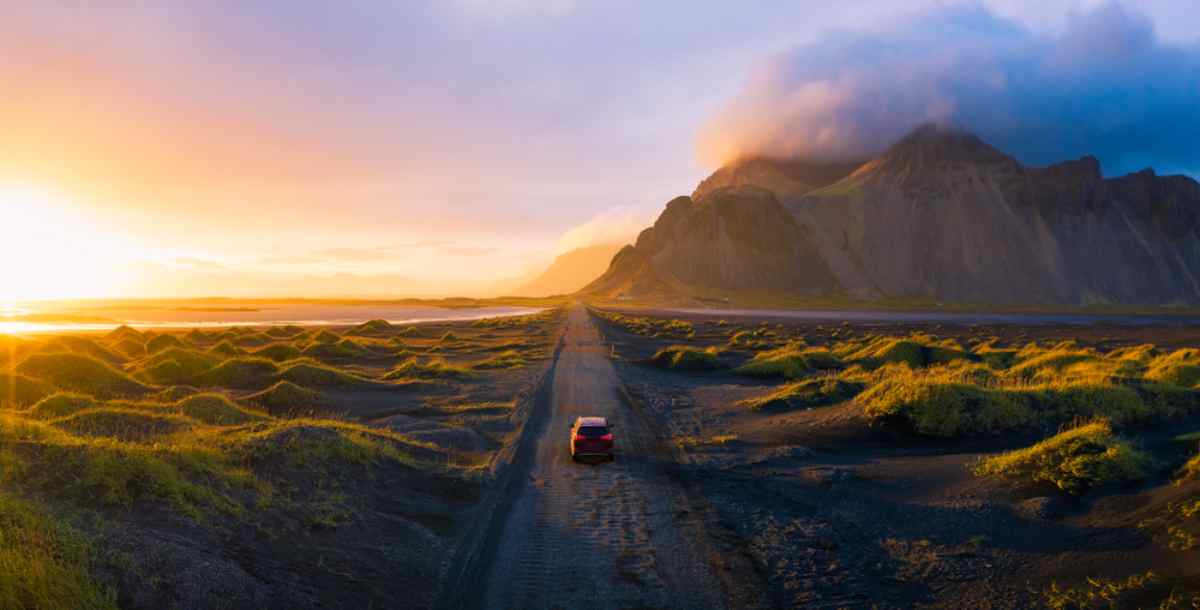
If you're up for the ultimate Icelandic road trip, circumnavigating the entire country on the Ring Road is the way to go. This is a commitment of about 7-10 days, but it's worth every minute. You'll encounter diverse landscapes, from the volcanic fields in the North to the fjords in the East and everything in between.
For the road less traveled, the Westfjords offer an unparalleled experience. This region is less visited by tourists, which means you can enjoy the stunning fjords, towering cliffs, and remote villages in relative solitude. Highlights include the Latrabjarg bird cliffs, home to puffins in the summer, and the Dynjandi waterfall, often described as the most beautiful in Iceland. This itinerary is best enjoyed over 4-5 days, ideally in a 4x4 vehicle to tackle the rugged roads.
Iceland in July is your ticket to an unforgettable summer adventure. From its vibrant festivals to epic road trips and unparalleled natural beauty, there's no better time or place for those seeking both relaxation and thrill. Pack your bags and prepare for an extraordinary July in Iceland.
Ready to explore Iceland? Book your rental car today.
Book now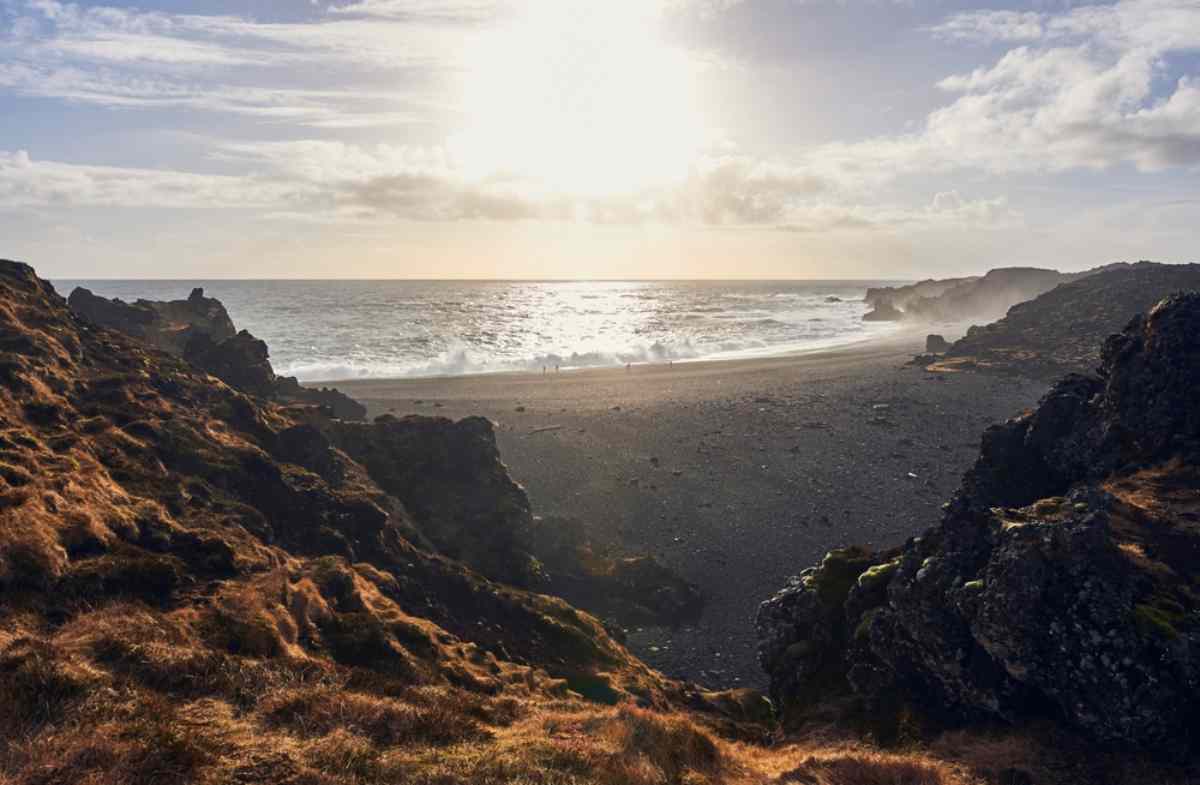
Discover Djúpalónssandur beach in Iceland—its beauty, history, and more. Read this article before you go!...
Read More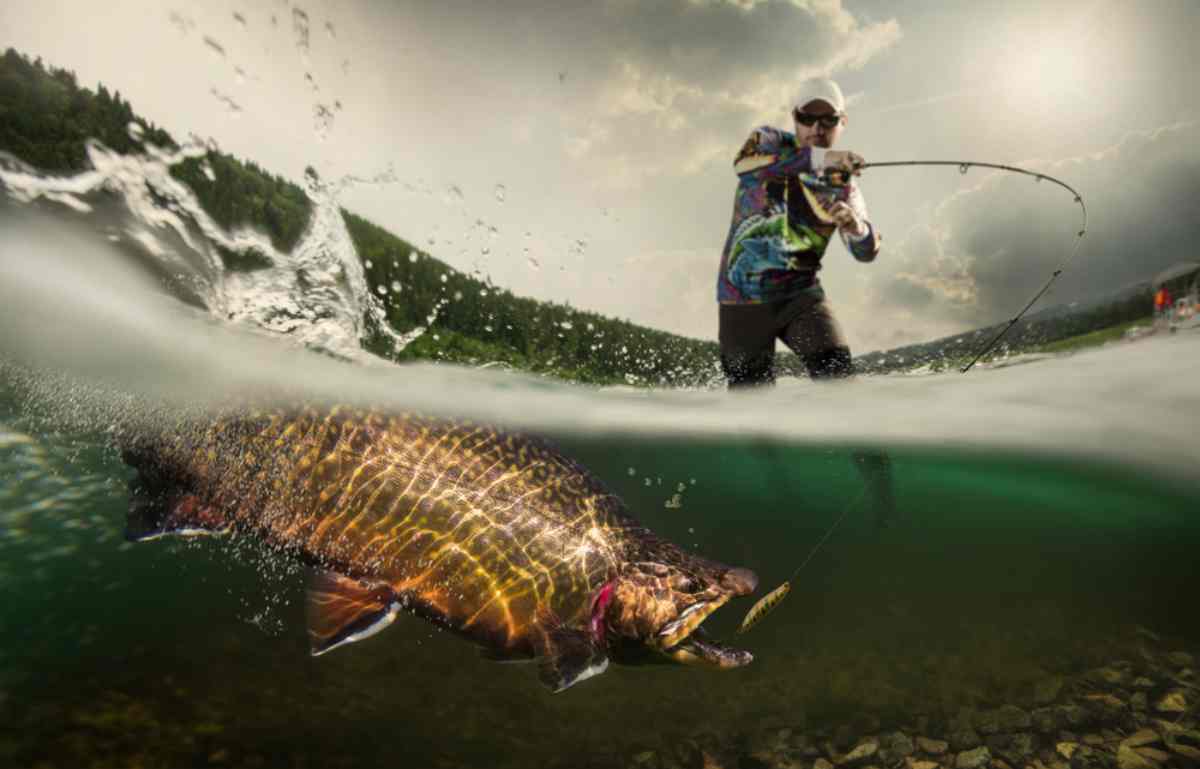
Learn everything you need to know about fishing in Iceland. This comprehensive guide will help you plan the perfect fish...
Read More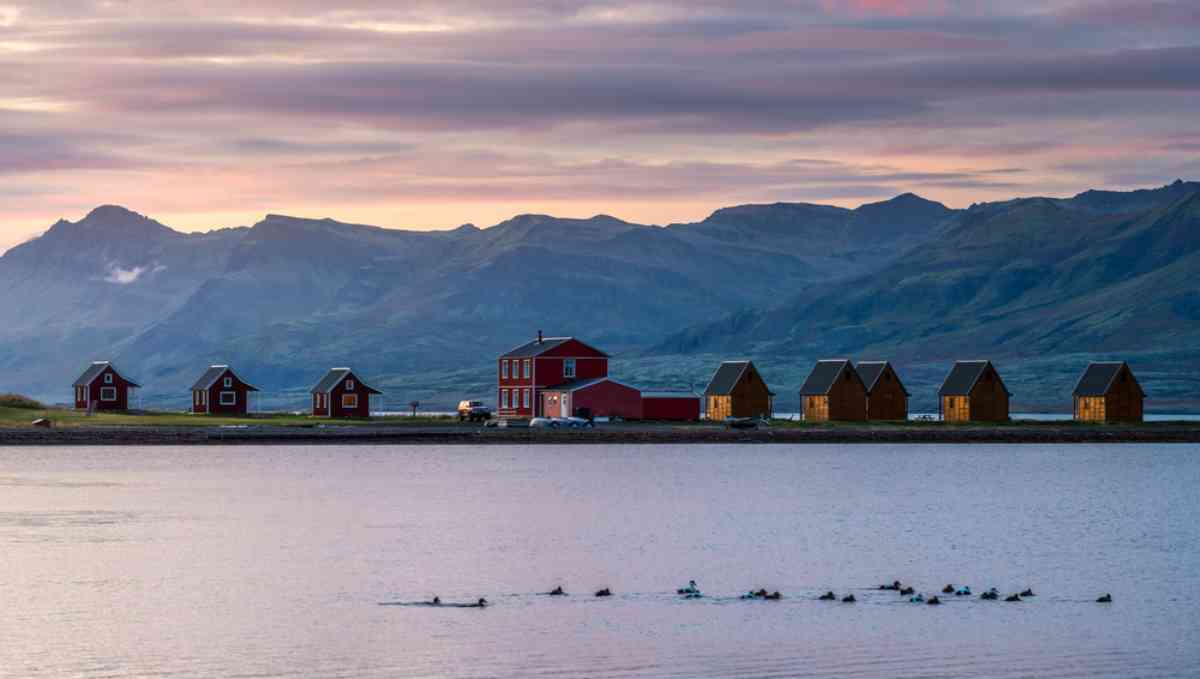
Unique places to stay in Iceland: from glass igloos to lava tunnels. Experience the natural beauty of Iceland in a truly...
Read More