
03-01-2024
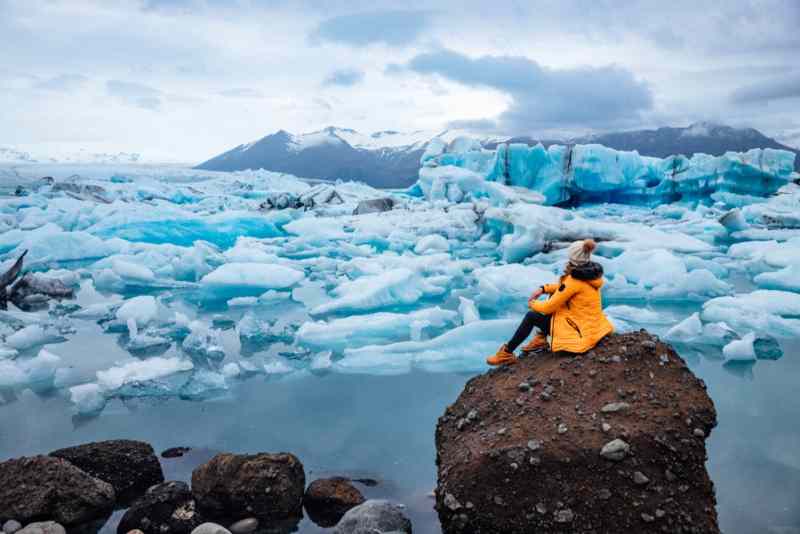
The icy paradise that is Iceland in winter offers a whole range of amazing activities to enjoy among the island’s stunning snowy landscapes and unique geological wonders. With frequent snowfall, impressive ice caves and expansive glaciers, Iceland truly looks just like a Christmas card during winter.
Learn all you need to know before visiting the winter wonderland that is Iceland in our complete traveler’s guide to winter in Iceland, including the best activities to enjoy, what weather to expect and our top travel tips.
Winter in Iceland lasts from December to March, with the peak of winter occurring during January in Iceland. While the cold weather begins to spread across the island throughout October and November, winter doesn’t truly begin in Iceland until December. The cold season lasts until March, when temperatures slowly begin to rise again as spring arrives.
Considering whether to visit Iceland in winter? Take a look through our pros and cons list of visiting Iceland in winter for an inside look into what to expect when visiting our unique island at this time of year.
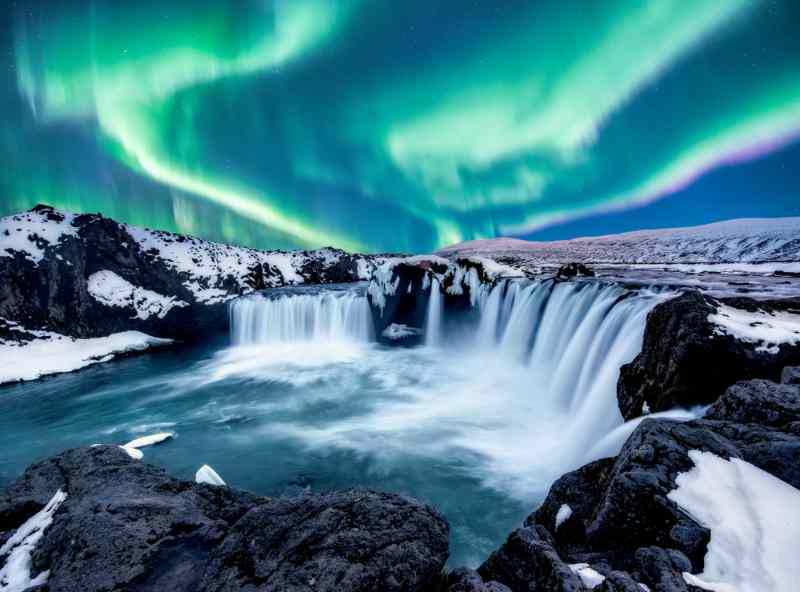
Northern Lights – Winter in Iceland is peak Northern Lights viewing season, meaning you’ll have an amazing chance to witness this spectacular dancing light show for yourself when visiting Iceland in winter. Whether you choose to go on a self-guided Northern Lights hunt or join a guided Northern Lights Iceland tour, watching the aurorae sweep across the sky is a definite must during your Iceland winter vacation.
Fewer tourists – As winter in Iceland is off-peak time for travelers, you’ll be able to enjoy exploring the wonderful landscapes across the Land of Ice and Fire without the crowds. Winter is the perfect time to take advantage of the quieter season, with less queues and more opportunities to visit the most popular attractions in Iceland without many other tourists there.
Cheap prices – Another benefit of visiting Iceland during the off-peak travel season is the cheaper prices across the country for accommodation, travel and other amenities you’ll need during your vacation. One thing’s for sure: visiting Iceland in winter will certainly be much cheaper than visiting in summer.
Exclusive winter activities – Certain amazing places can only be visited during winter, such as the magical ice caves in Iceland. These incredible structures change shape each year and are only accessible in winter, so if you fancy an epic Iceland ice cave adventure, you’ll need to visit this unique Nordic nation during the cold season.
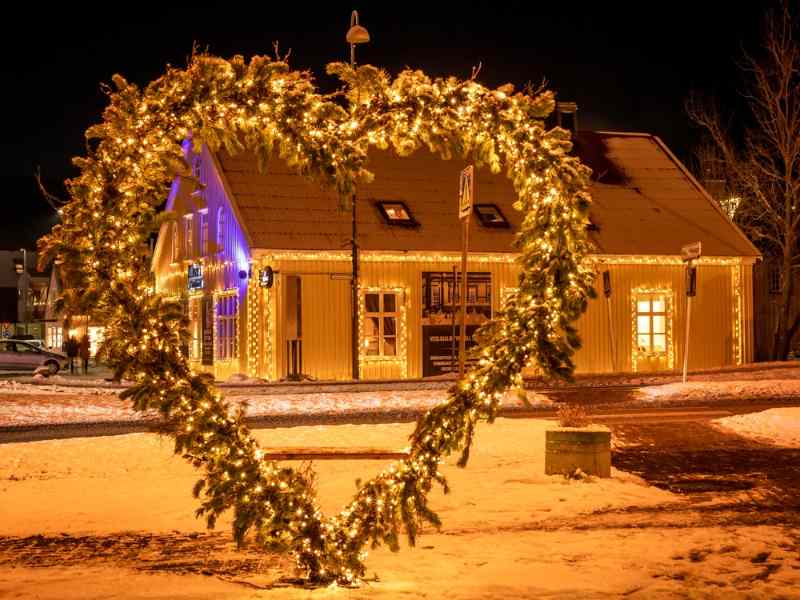
Christmas and New Year festivities – If you visit Iceland around December and January, you’ll be able to enjoy the wonderful Christmas and New Year festivities in Iceland. The Icelandic capital of Reykjavík is a true winter wonderland around this time of year, with cute Christmas markets, glistening lights decorating the city and awe-inspiring firework displays.
Cold weather – It goes without saying that winter in Iceland is pretty chilly, with temperatures remaining around freezing for much of the cold season. You’ll need to wrap up in layers to keep warm during winter in Iceland and make sure you take regular breaks to warm up with a cup of tea, coffee or hot chocolate.
Road closures – Some roads remain closed throughout winter in Iceland due to these routes being too difficult to drive during the cold season, particularly the interior F-roads in Iceland leading to the Icelandic Highlands. This area is definitely inaccessible during winter, so if you’d like to explore Iceland's wild and rugged interior region, you’ll need to plan your vacation for the summer time. Other roads may be closed if harsh weather conditions hit the island, so it’s best to be prepared and keep this in mind when planning your vacation itinerary.
Shorter daylight hours – Winter in Iceland brings with it shorter days and longer nights, meaning you’ll have less time to be out and about exploring the stunning geological wonders across the island. You can still make the most of your time in Iceland by planning your trips during the limited daylight hours to ensure you have enough time to visit everywhere on your bucket list.
No Midnight Sun – Winter in Iceland brings with it super high chances of seeing the Northern Lights, but, equally, there’s no chance of witnessing the Midnight Sun during winter. This amazing natural phenomenon can only be seen during summer, when nights are short and the sun is still shining at almost midnight!
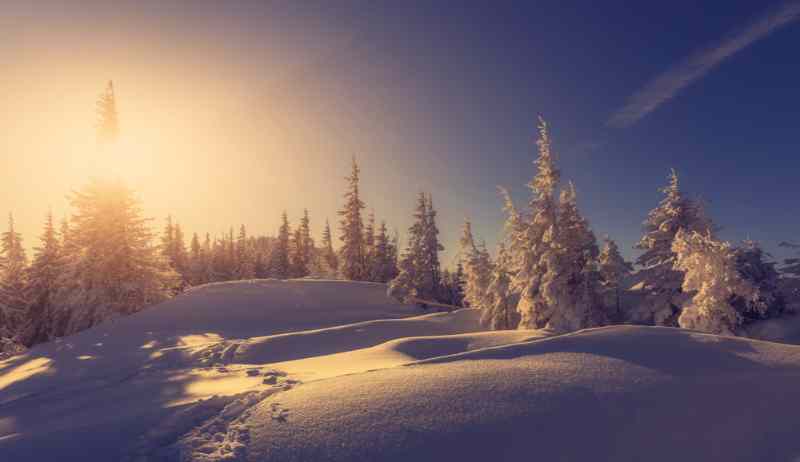
With average temperatures around 0ºC, winter in Iceland is certainly cold. Northern Iceland experiences lower average temperatures of around -10ºC (14ºF), whereas temperatures remain around freezing in South Iceland.
As for the weather, conditions in Iceland are very changeable, so you can expect anything from strong winds, snowfall and rain showers to sunny spells. The sun will be above the horizon for around 4-5 hours a day during winter in Iceland, so the shorter daylight hours mean winters are pretty dark on the island.
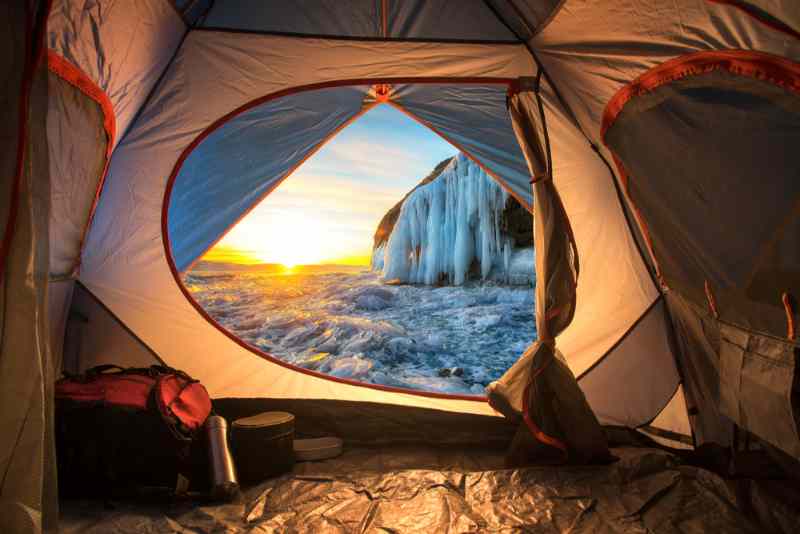
We definitely don’t recommend pitching a tent during the freezing winter weather in Iceland, but, if you do want to enjoy a camping experience in Iceland during winter, you can rent a campervan or motorhome and hit the open road.
Renting a campervan in Iceland and purchasing the great value Camping Card will allow you to travel across the island and stay at your choice of over 30 campsites across the country.
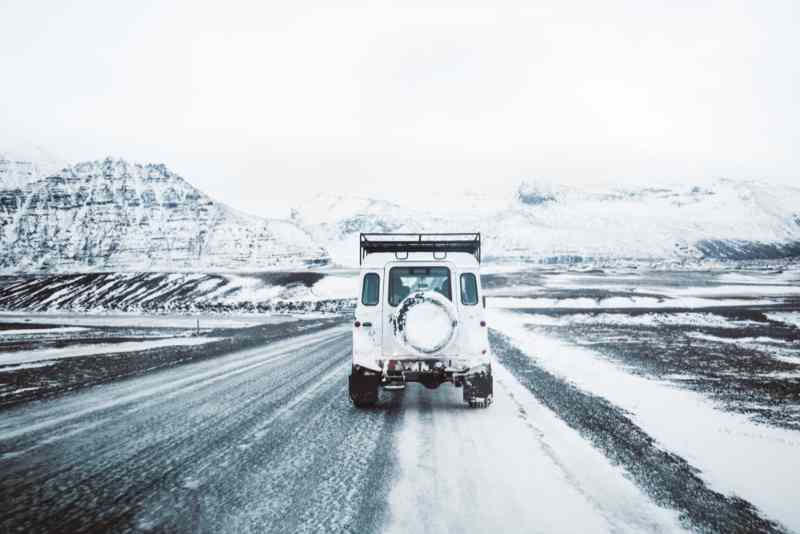
Driving is by far the best way to explore the incredible island of Iceland, as you’ll be able to travel wherever you want whenever you want without any time restrictions or limitations. When renting a car in Iceland for your winter vacation, your rental agent will tell you everything you need to know before setting out on the road. For example, snow tires are necessary for driving in Iceland during winter and should be provided with your vehicle rental.
It’s also important to consider whether a 4x4 vehicle is most appropriate for your Iceland winter road trip, as some roads in Iceland can only be driven on by a 4x4. If you have any questions about driving safely in Iceland during winter, your rental agent can help.
There are so many fun, unique and awesome activities you can enjoy during your Iceland winter vacation, including:
Soaking in a hot spring – What could be better than taking a relaxing bath in a natural hot spring after a long day out exploring in the cold? In Iceland, you can take advantage of the island’s incredible geology by soaking in a natural hot spring to beat the winter chill.
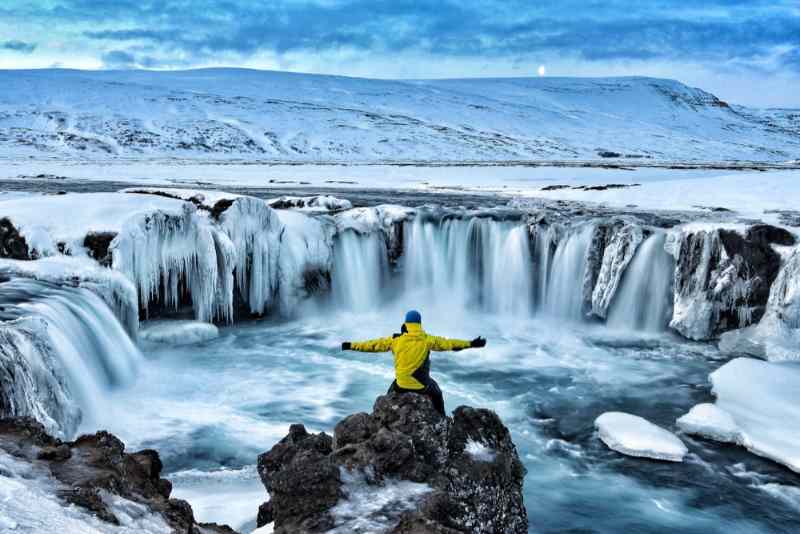
Visit the frozen waterfalls and volcanoes – Iceland is home to countless cascading waterfalls, many of which are frozen during winter, as well as fiery volcanoes, some of which are topped with glaciers. These amazing natural wonders are must-visit attractions during your Iceland winter vacation.
Tour a crystal blue ice cave – Winter is the time when you can go exploring the magnificent ice caves in Iceland. Taking a guided ice cave tour in Iceland is a breathtaking experience you won’t soon forget!
Go skiing, snowmobiling or snowshoeing – Icelanders love enjoying the winter snow by taking part in a range of fun winter sports and activities. Why not join in with the winter fun by trying your hand at skiing, snowmobiling or snowshoeing?
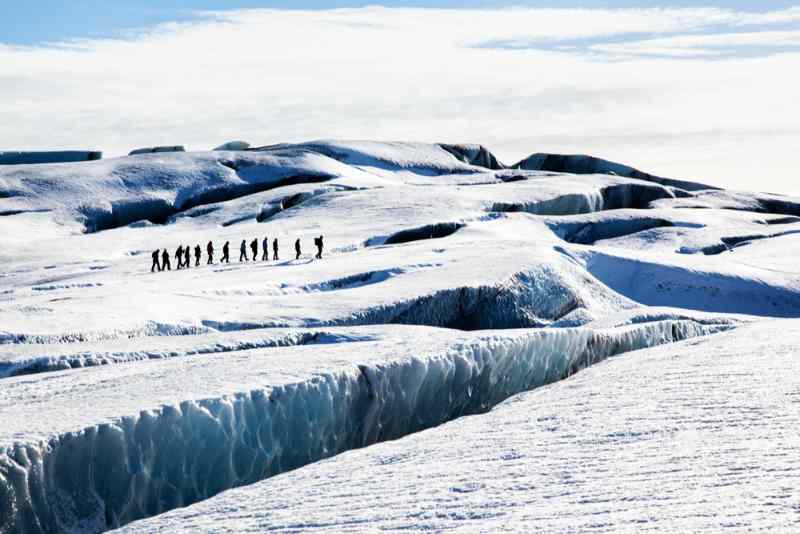
Hike a glacier – Taking a glacier hike is one of our favorite winter activities in Iceland, both for the exhilarating experience and awe-inspiring views you’ll be treated to!
Take a brisk walk along a black sand beach – Iceland’s black sand beaches are another unmissable attraction during your trip. During winter in Iceland, you can enjoy a brisk walk along the coast, such as at the famous Reynisfjara black sand beach near the picturesque village of Vik.
We’ve got you covered with our top Iceland winter travel tips to make sure you have the best Iceland winter vacation trip possible.
Check road conditions and closures before setting out – Roads can occasionally be closed during winter in Iceland, due to snow storms or other severe weather conditions. That’s why we recommend making sure your route is clear before heading out on your day trip by checking the up-to-date road conditions in Iceland.
Keep an eye on the weather – As weather in Iceland is famously changeable and can potentially cause disruption during winter, we recommend keeping an eye on the weather forecast in Iceland. You can check the local forecast in the area you’re staying and the area you’re planning to travel to before you set out, so you’re best prepared.
Book some guided tours and activities ahead of time – Although winter is a much less popular time for tourists to visit Iceland, the island is still an increasingly popular tourist destination, so we definitely recommend booking your guided tours and activities ahead of time. This is especially true if you’d like to enjoy some of the most popular winter activities in Iceland, like exploring an ice cave or going on a glacier hike. Get some inspiration by exploring a range of trusted tours and activities in Iceland you can join here!

Make sure you’re comfortable during your Iceland winter trip with our list of essential items to keep warm and cozy.
Warm winter parka – The most essential item you’ll need to keep warm in Iceland during winter is a good-quality, warm winter coat. Ideally, your coat will be waterproof and windproof, as well as have a thick layer of padding.
Waterproof shoes – Keep your feet dry during your Iceland winter vacation by bringing along some waterproof shoes. These will need to be sturdy hiking shoes if you plan to do any hiking or walking among Iceland’s amazing landscapes.
Hat, scarf and gloves – These items are a must for any Iceland winter vacation, with hats that cover your ears being the best option to protect yourself from the elements.
Sweaters – Warm woolen sweaters will keep your body heat in and make sure you remain toasty during your time out and about exploring the island.
Thermal base layers – Layering is the key to dressing well during winter in Iceland, with thermal layers offering the most protection against the cold. We recommend wearing thermal base layers for any long day trips, so you can remain at a comfortable temperature throughout the day.
Swimsuit, flip-flops and quick-dry towel – Although these may seem like summer items, if you want to take a dip in one of Iceland’s geothermal pools during your Iceland winter trip, you’ll need your swimming gear!
Who’s ready to plan their own Iceland winter adventure? We certainly are! Don’t miss out on the once-in-a-lifetime opportunity to explore Iceland’s ice caves and glaciers before these incredible structures melt. Let’s embrace the chill and set out on an epic road trip, discovering all that Iceland has to offer during the magical winter season.
Ready to explore Iceland? Book your rental car today.
Book now
Discover the pros and cons of living in Iceland in our comprehensive guide. From stunning nature to high cost of living,...
Read More
Learn all about traditional Icelandic foods to get a glimpse into Iceland’s fascinating culinary landscape, including mu...
Read More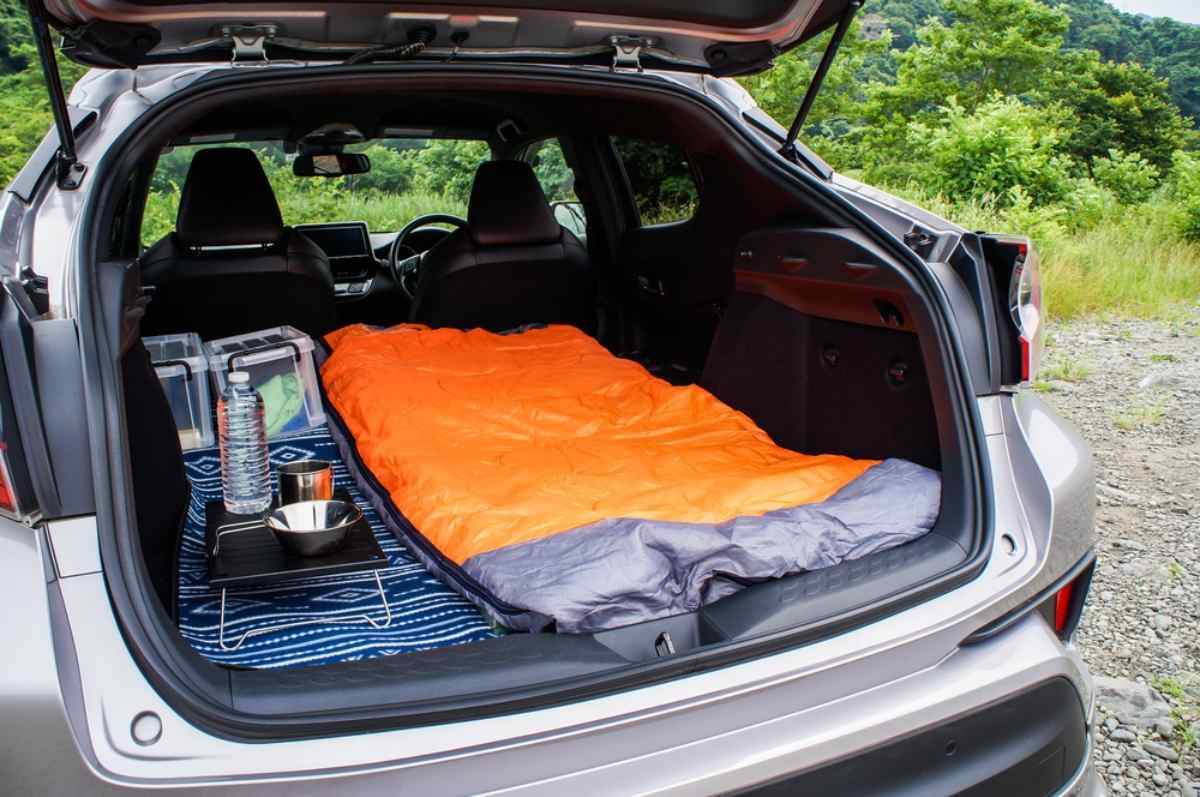
Planning to sleep in your car in Iceland? Learn the legal rules, best spots, safety tips, and alternatives to ensure a h...
Read More