
24-04-2024
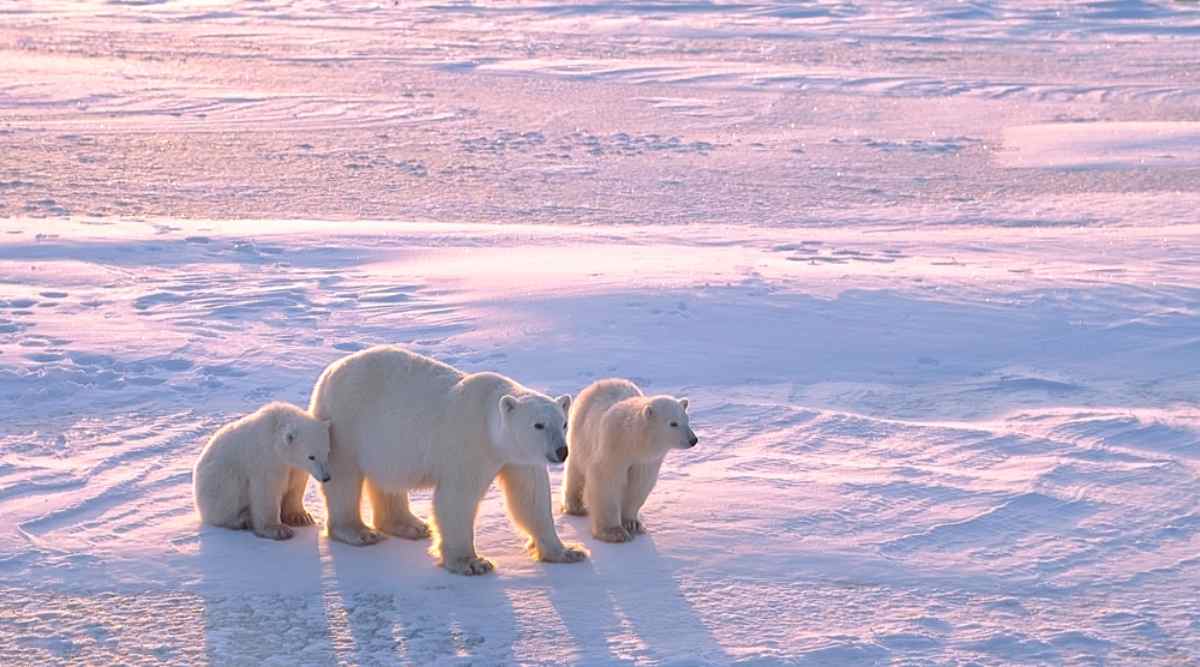
The world’s largest land-going predator, polar bears are majestic marine mammals that have adapted to some of the world’s harshest and iciest environments. But where exactly can you find polar bears and are there any in Iceland?
Discover the history of polar bear sightings in Iceland, their natural habitat, recent conservation efforts and where you can explore more about polar bears while in Iceland in our complete guide – let’s learn more about our fearsome, fuzzy friends!
Known as ‘isbjorn’ (ice bear) or ‘hvitabjorn’ (white bear) in Icelandic, you might be wondering ‘are there polar bears in Iceland?’ or ‘do polar bears live in Iceland?’. Well, although Iceland is home to glaciers and sees a lot of snowfall, polar bears aren’t native to the country. Polar bears are found in the Arctic, further north than Iceland.
In fact, there are no Iceland bears; the only land mammal that’s native to Iceland is the Arctic fox. Despite this, there have been numerous sightings of polar bears on the subarctic island of Iceland over the centuries, as these marine mammals have made their way from nearby Greenland.
Found in icy Arctic regions, polar bears' lives are dependent upon sea ice, which they use as a hunting platform, resting place and breeding ground. Polar bears are found in the Arctic, Alaska, Canada, Greenland, Russia and Norway, which all have enough sea ice to support polar bears.
Although it's known for its icy landscapes, Iceland is too far south to have the environmental conditions needed to allow polar bears to live there, including the lack of sea ice and diversity of marine prey species.
Despite this, polar bears have been visiting Iceland for millennia; archaeological remains of polar bears have been found in Iceland dating back 13,000 years!
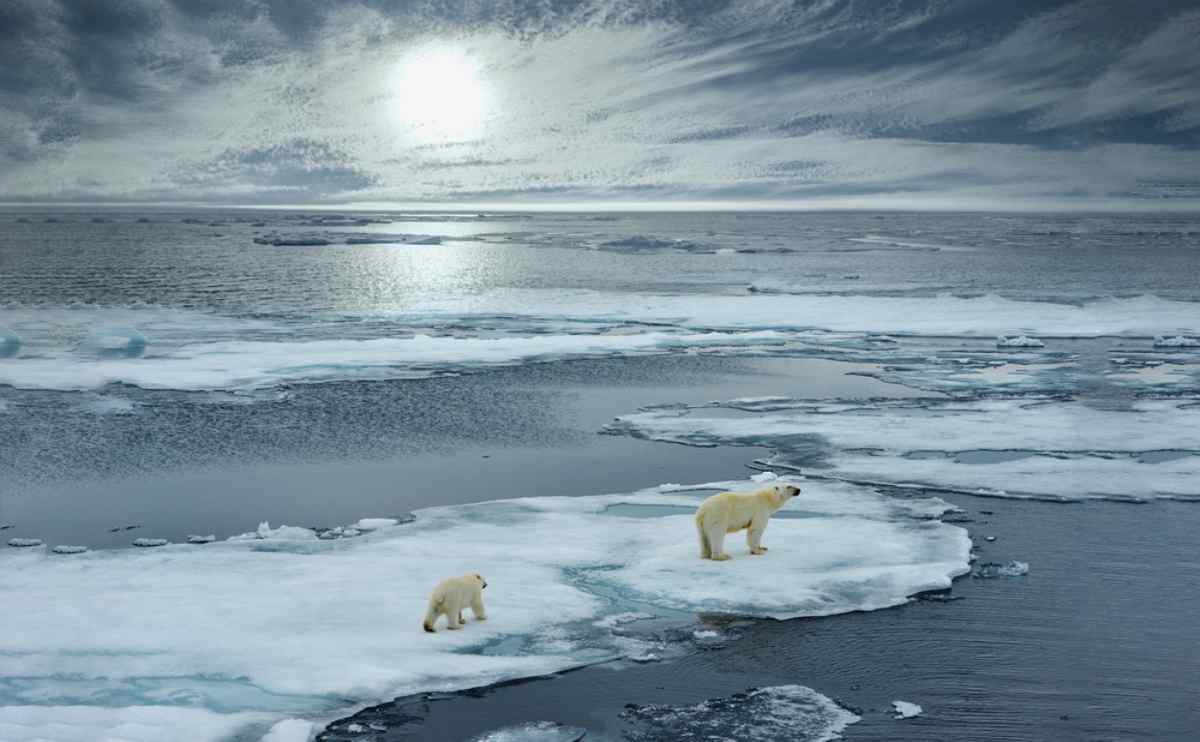
Did you know? There are also no polar bears in the southernmost continent of Antarctica, as the bears could never make their way to the other side of the world, so you’ll only find them in the Earth's Northern Hemisphere, not the south.
Over 700 sightings of polar bears in Iceland have been recorded since the island was first settled in the 9th century. Here, you can learn more about Iceland polar bear sightings in recent years and how the bears get to Iceland in the first place.
If you’re wondering ‘how do polar bears get to Iceland?’, the answer is that they occasionally float from their native Greenland to Iceland on icebergs or ice floes (icebergs are made of ice that was formed on land, but ice floes are formed of sea ice). Sometimes, they actually swim the approximately 300-kilometer distance between these two nations!
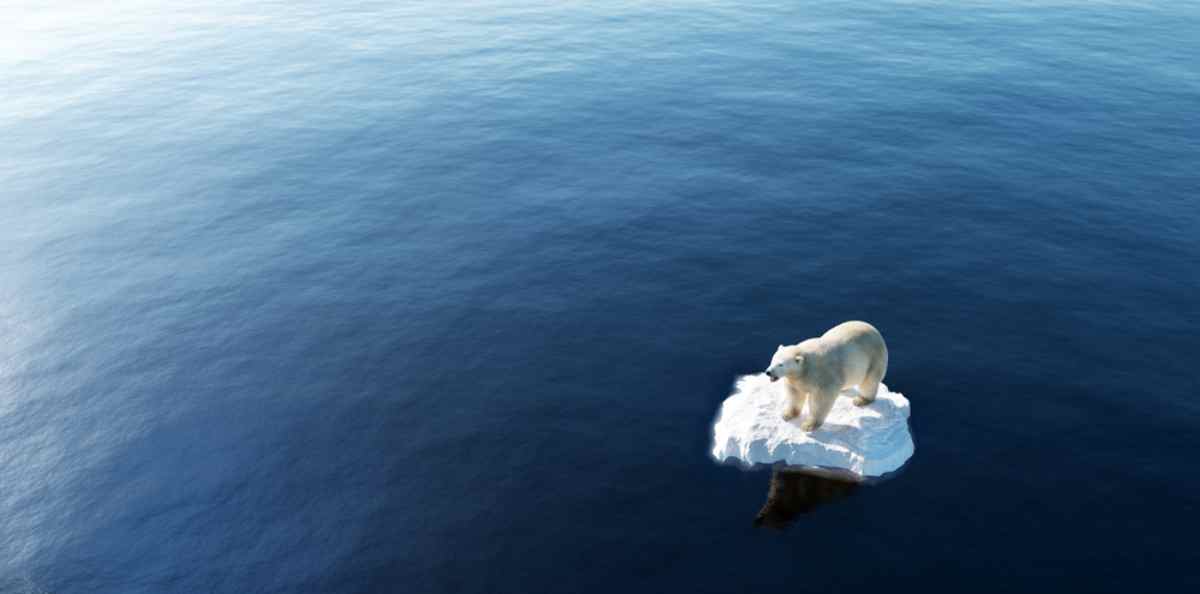
As for the last Iceland polar bear sighting, it occurred in 2021 when a young polar bear was spotted in North Iceland. Learn all about recent notable sightings of polar bears in Iceland below.
When polar bears are sighted in Iceland, it usually happens in the north of the country and the response varies depending on public safety concerns and current response measures. Here’s a list of sightings of polar bears in Iceland in recent years and where they occurred:
1971, North Iceland – After being spotted in North Iceland, this polar bear was successfully relocated back to Greenland.
1977, Westfjords – Following this sighting, discussions about public safety and polar bear conservation measures began to take place.
1988, Hornstrandir Nature Reserve – There were two polar bears spotted separately and sadly killed due public safety concerns.
1993, Eastfjords – A polar bear was successfully relocated after being sighted swimming near the shore of the Eastfjords.
2008, Northwest Iceland – Within a month of each other, two polar bears were spotted, which raised concerns about how global warming is impacting the natural Arctic habitats of polar bears.
2009, North Iceland – This polar bear was tranquilized and returned to Greenland.
2010, Northeast Iceland – Another two polar bears were sighted separately during summer and, unfortunately, both bears were killed due to safety concerns.
2016, Grimsey Island – After being spotted on Grimsey Island off Iceland’s north coast, this bear was successfully relocated back to Greenland.
2021, North Iceland – A young polar bear was successfully relocated after being tranquilized.
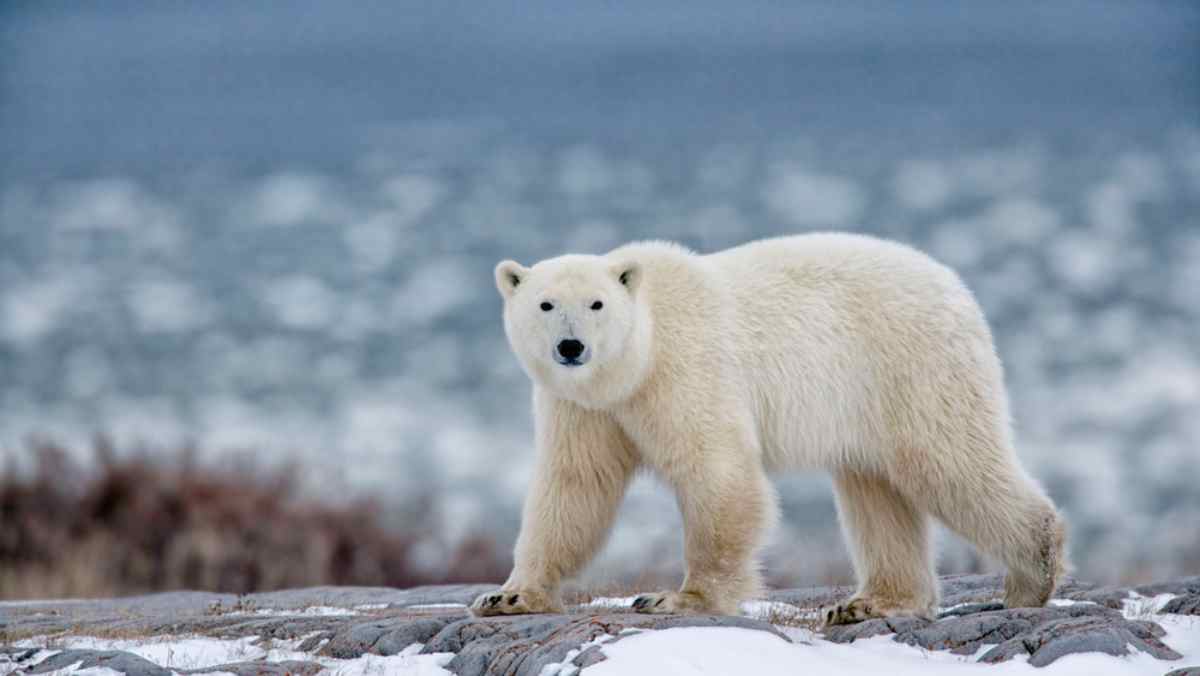
When a polar bear is sighted in Iceland, authorities act quickly in order to best protect both the public and the bear itself. As you can see from the above polar bear Iceland sightings, responses can be mixed due to a variety of factors, including location, proximity to people, and the bear’s condition and behavior.
Far from home, polar bears usually arrive in Iceland hungry, having been adrift at sea for long periods of time, and disoriented due to being in a completely different environment to their home. Where possible, relocation efforts are made by guiding the bears back to their native Greenland, potentially using tranquilizers if needed.
Iceland has come under criticism for the killing of several polar bears over recent decades, which has prompted debates about the best way to deal with these situations in a way that protects both the bears and local people, especially as polar bears are featured on the International Union for Conservation of Nature’s (IUCN) list of vulnerable species.
Only when there’s an immediate threat to people is the hard decision taken to euthanize a polar bear. This decision has to be made in line with international regulations and ethical guidelines, and only in exceptional circumstances when all other options have been exhausted.
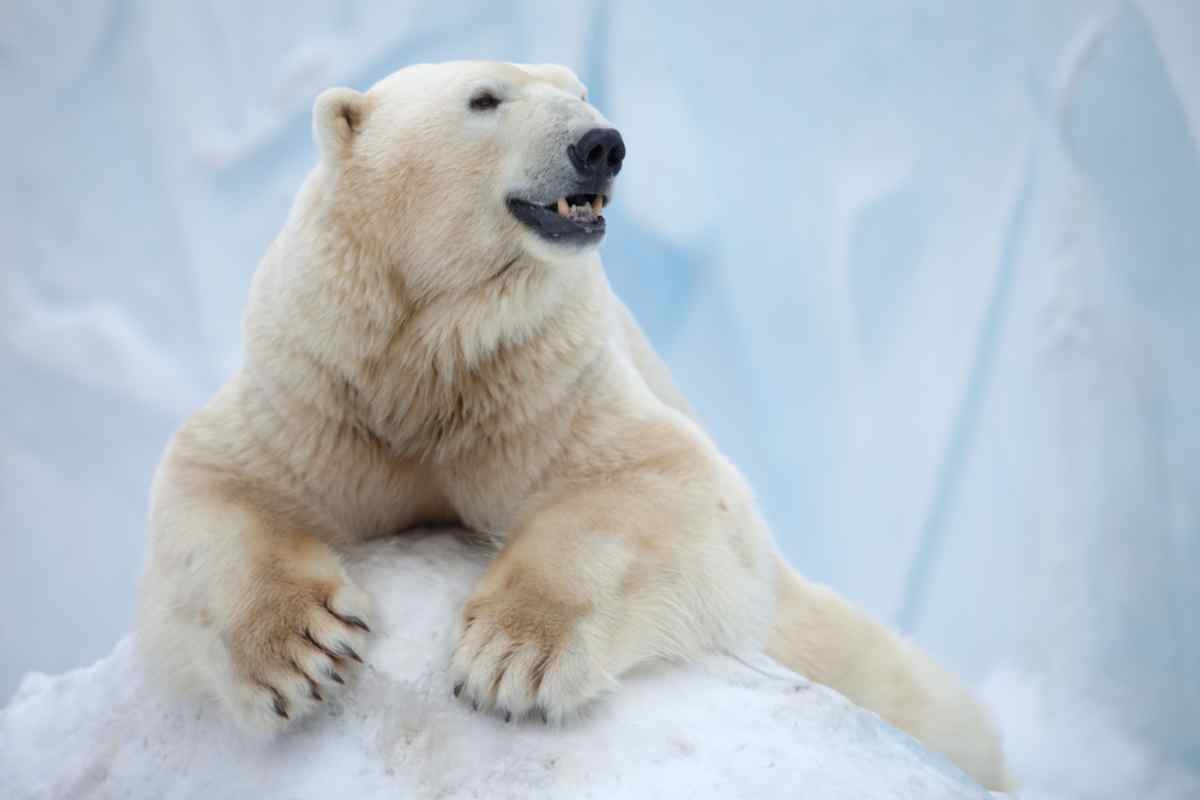
The presence of polar bears in Iceland, which is outside their natural habitat, signals the need for further conservation efforts to protect these majestic marine mammals. Wider environmental changes caused by climate change are usually the cause of the rare appearance of a polar bear in Iceland, including melting sea ice and changing sea currents.
So, how can we best protect polar bears as a species? Of course, doing what we can to slow down global warming will help polar bears, such as reducing carbon emissions, advocating for renewable energy sources and implementing as many sustainable practices as we can.
At a global level, international treaties to protect polar bears and their Arctic habitat are crucial to their survival and urgently needed. Work done by conservation organizations and nation states is critical in devising strategies and policies that will preserve the Arctic ecosystem.
Although it’s an extremely rare occurrence to actually see a polar bear in the wild in Iceland, you can see a lifesize polar bear representation in Reykjavík’s award-winning Perlan Museum. Here, you can learn more about this Arctic predator, its natural environment and what more can be done to protect the Ursus maritimus (maritime bear) species.
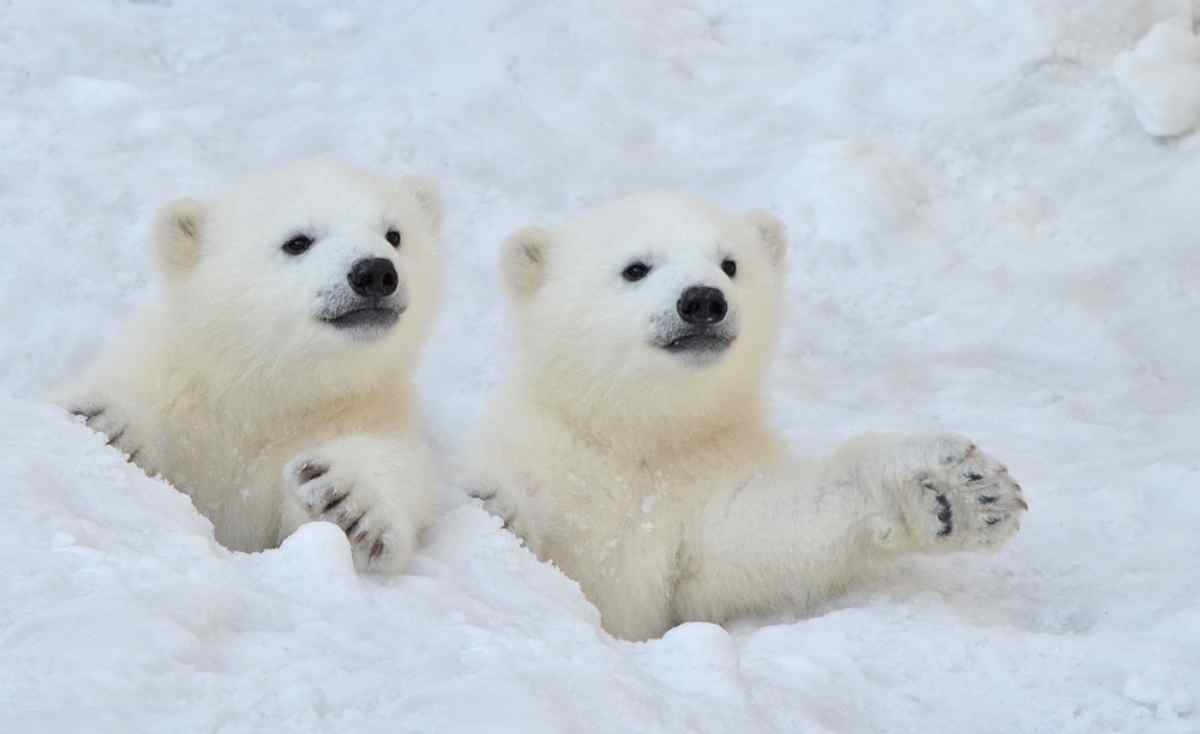
Want to discover the incredible natural environment of Iceland for yourself? You can do just that by planning your own unique visit to the Land of Ice and Fire. Let’s start by looking at travel dates, accommodation options and rental cars in Iceland, so you’ll be all set to explore everywhere across this beautiful Nordic island that your heart desires!
Got any questions? Don’t hesitate to contact our friendly team and we’ll be happy to help. We look forward to welcoming you to our beautiful country soon!
Ready to explore Iceland? Book your rental car today.
Book now
Uncover the fascinating animals in Iceland. Dive into the wild side of this stunning island. Read more!...
Read More
Discover the fascinating Iceland animals that call this wild landscape home. Click to uncover their secrets!...
Read More
Experience the magic of the midnight sun in Iceland! Learn what you need to know about this phenomenon, including the be...
Read More