03-11-2024
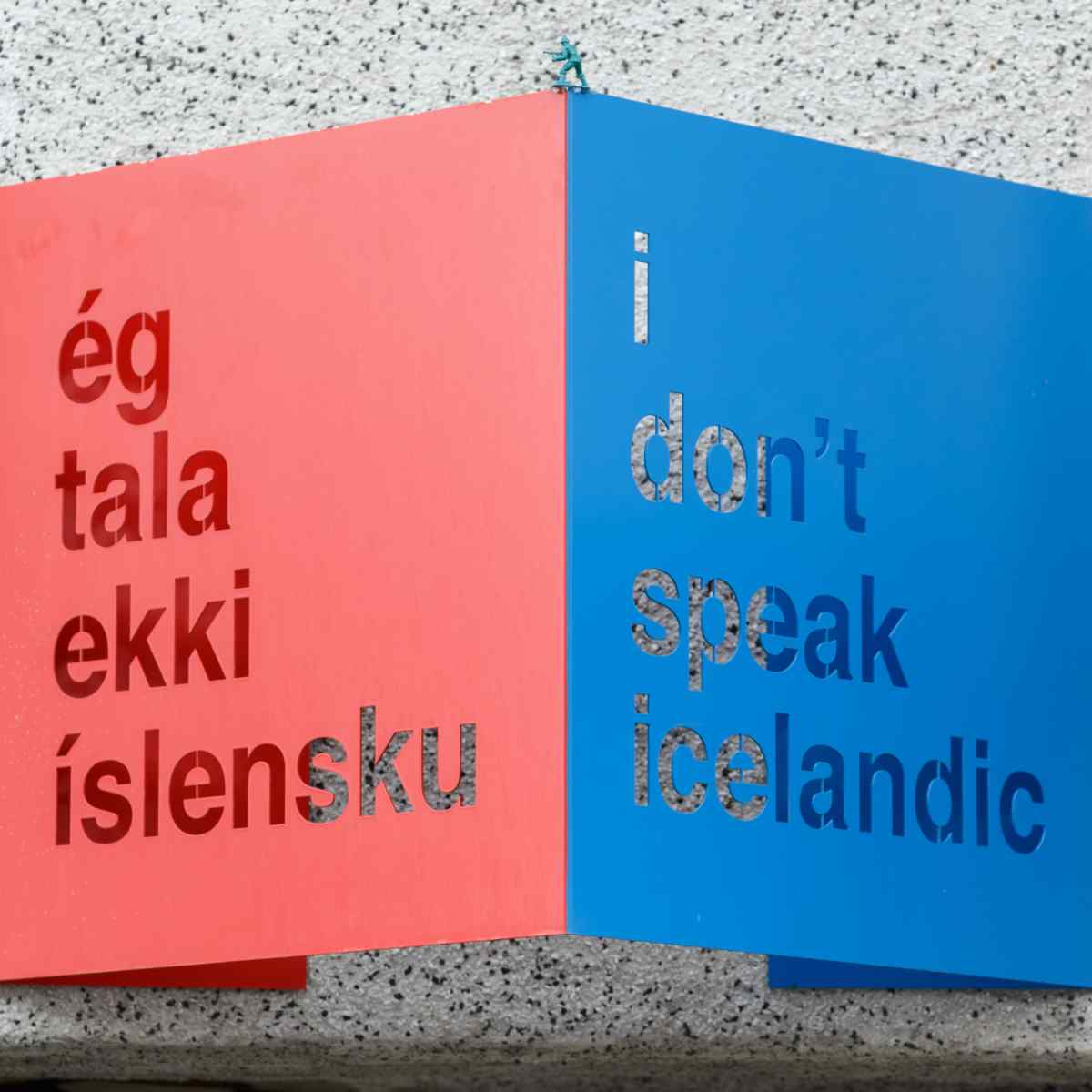
Discover the answer to the question ‘what language do Icelanders speak?’ in our complete guide to language in Iceland, including the history, evolution and preservation of Iceland’s official language. We’ll also discuss some basic phrases to know if you’re traveling to Iceland and secondary languages spoken across the country. Let’s go!
You might be wondering ‘what language is spoken in Iceland?’. Well, as you might be able to guess, Icelandic is the official language of the unique country of Iceland. However, did you know that Icelandic only became the country’s official language in 2011, despite being the language of Iceland for centuries? Icelandic sign language was also officially recognized in the same year, too.
Derived from Old Norse, which became Old Icelandic and finally the modern version of Icelandic that is spoken today, this official language of Iceland has its origins with the first settlers of Iceland back in 874 AD. Originally similar to Norwegian, Icelandic gradually became its own distinct language, until it evolved into the form it’s known as today by around 1540.

Learn more about Icelandic with our fun facts about this unique language:
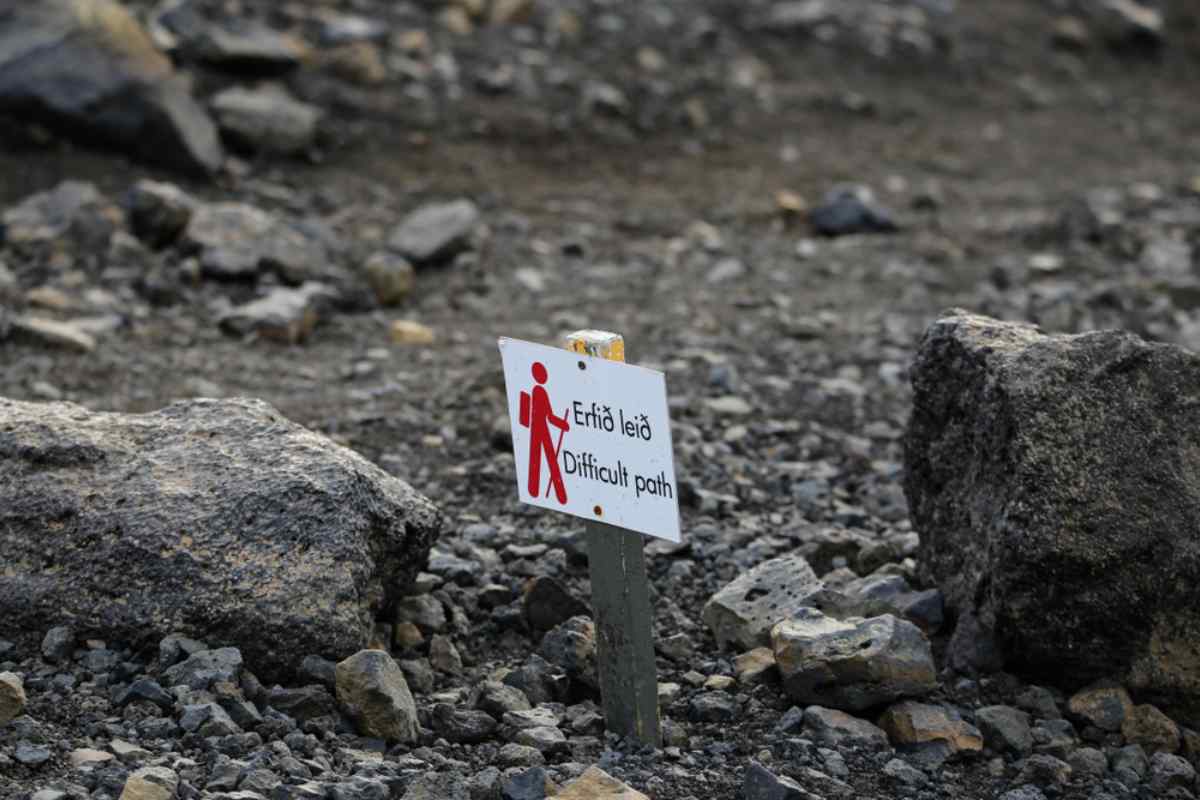
When answering the question ‘what language does Iceland speak?’, it’s important to consider the foreign languages that are spoken across the country, as well as Iceland’s official language of Icelandic.
Despite the love for their language, Icelanders are very good at learning foreign languages. In Icelandic schools there are two compulsory foreign languages classes: English and Danish. Sometimes the latter can be replaced with another Scandinavian language and there’s also an option to take a third language to learn.
English has gained further importance in Iceland over recent decades due to tourism and globalization and, due to historical ties with Denmark, Danish is also spoken in Iceland. Immigration has also brought more languages into the country, with Polish being the most widely spoken foreign language, with around 2.7% of Iceland’s population speaking Polish.
Being proud of their language means Icelanders make special efforts to preserve Icelandic, with several organizations and events held specifically for this purpose. Iceland has an Icelandic Language Day, celebrated on 16 November each year since 1995, which is the birthday of famous Icelandic poet Jonas Hallgrimsson.
Medieval Icelandic manuscripts are conserved by the Arni Magnusson Institute for Icelandic Studies, which also serves as a center for Icelandic language and literature studies. The Icelandic Language Council, on the other hand, serves as an advisory body, advising the government and authorities on language policy. It’s composed of a range of representatives from universities, the arts, journalists and teachers.

The biggest challenge for modern language experts is to invent new words for modern discoveries and technologies, making sure they fit into the traditional Icelandic language. This means that they don’t simply use the English version of words, and instead become creative in translation. For example, the Icelandic name for a computer is tölva, which came from words tala (numbers) and völva (female witch). So, a computer in Icelandic literally means a witch of numbers!
Although many people in Iceland now speak English, it can be helpful to learn a few Icelandic phrases for your road trip around Iceland. Here are several basic phrases in Icelandic to get you started:
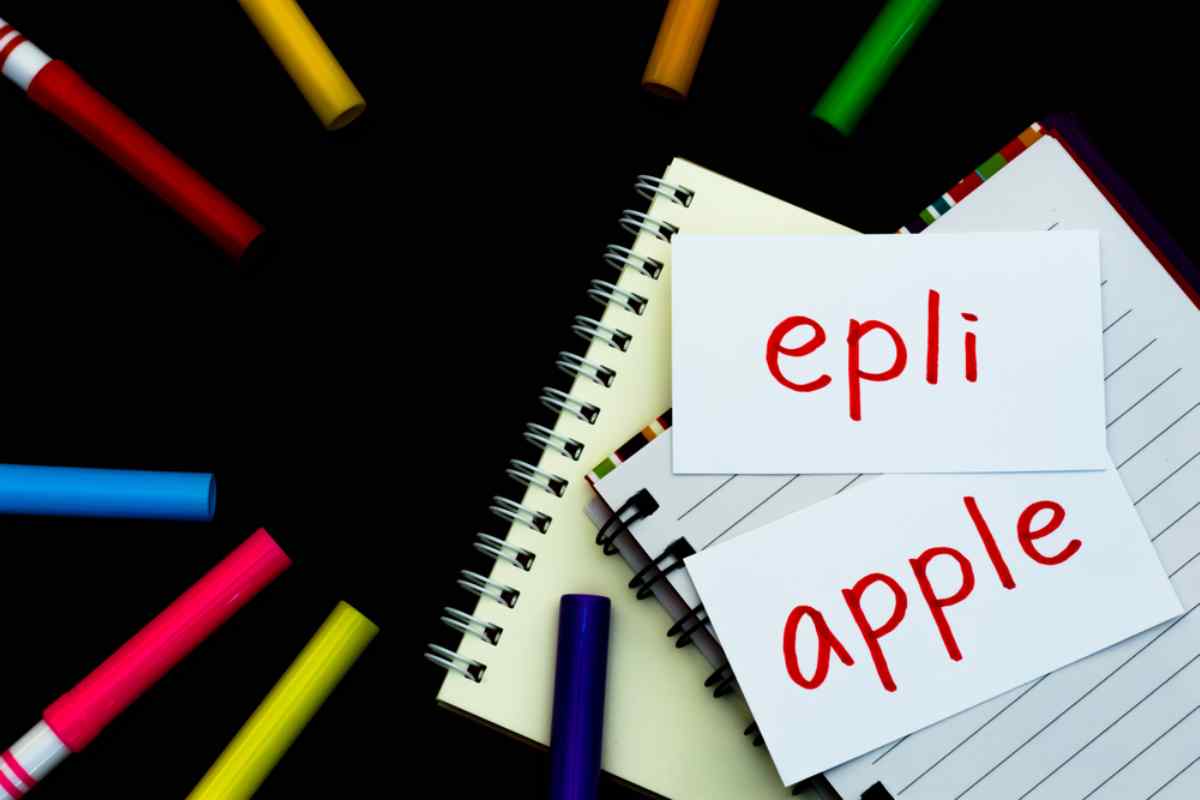
Whether you just want to learn a few key phrases for an upcoming vacation or you’re interested in studying the language in depth, there are lots of brilliant and free resources you can use to learn Icelandic.
The University of Iceland offers several free online Icelandic courses you can take, including traditional level-based lessons and a programme called the survival course, which is designed for absolute beginners who know nothing about the Icelandic language before the course. Through various interactive, audio and visual lessons, the course helps to prepare you for everyday Icelandic life.
Approximately 400-600 people are studying the Icelandic language every day with over 45,000 active users on these online courses.
Who’s feeling inspired to take a trip to Iceland and try out some basic phrases for themselves? Whether you’re simply reading the street signs or saying hello to a local, you can be proud of yourself for taking the time to learn a few basic phrases to enrich your time in Iceland!
Get set for your own adventure of a lifetime in the Land of Ice and Fire by taking a look at our range of Iceland car rentals, perfect for taking you all across the island exploring to your heart’s content. We look forward to welcoming you to our beautiful country soon!
Ready to explore Iceland? Book your rental car today.
Book now
Driving in Iceland is epic, but it’s easy to mess up. From sneaky road rules to rental car tips, here’s how to stay safe...
Read More
Renting a car in Iceland? Get expert Iceland car rental tips to save money, stay safe, and avoid hidden fees. Read this ...
Read More
Confused by Iceland road signs? Here’s what you need to know for a safe and stress-free road trip....
Read More