
05-09-2025
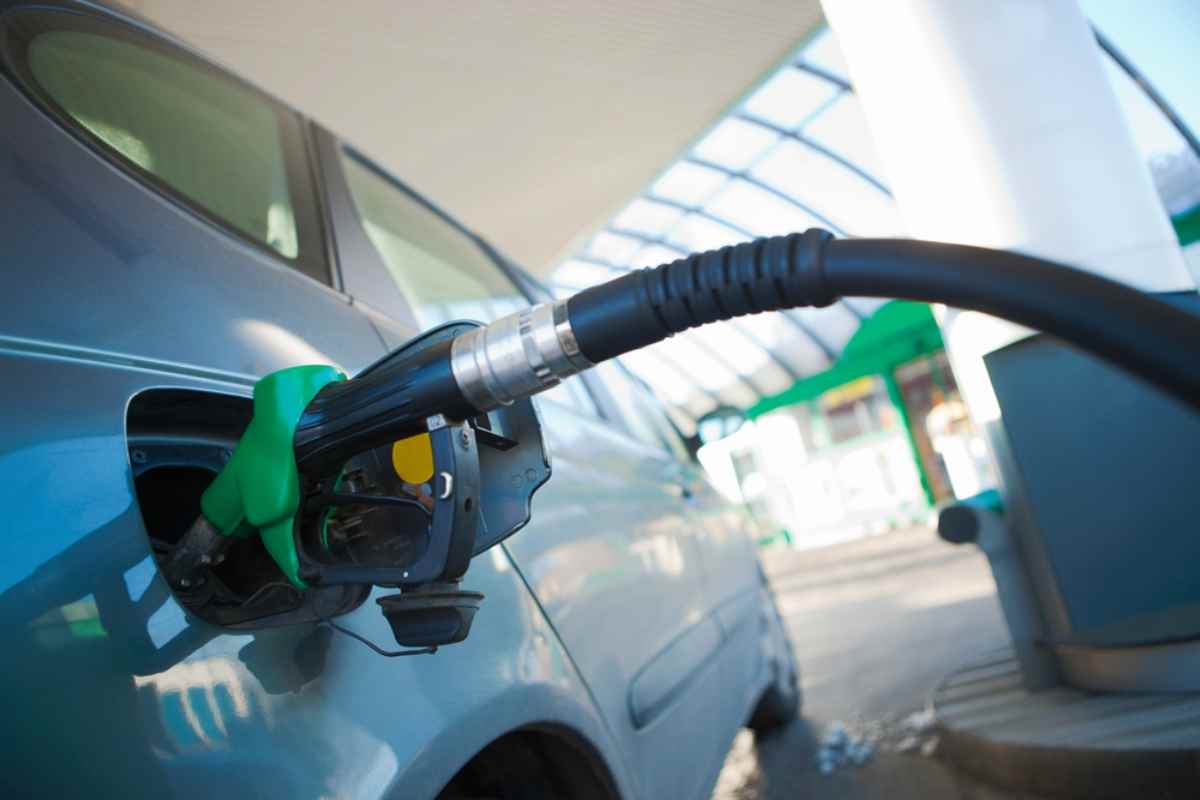
When planning an epic road trip in Iceland, you’re probably thinking about visiting all the amazing natural attractions across the island, including expansive glaciers, cascading waterfalls, bubbling hot springs and striking black sand beaches. But there’s one practical, and absolutely essential, aspect of the journey that’s important to think about too: gas stations in Iceland.
For first-time visitors renting a car, navigating Iceland gas stations can be surprisingly confusing; Iceland gas stations are sometimes few and far between, and the system for payment and pumping is not always obvious if you’re used to full-service stations. But, once you understand the way things work, fueling up becomes one less thing to stress about, leaving you free to focus on the amazing experience of driving through Iceland’s unforgettable landscapes.
In this guide, we’ll cover how to pay for gas in Iceland, what type of fuel to use, how to find stations in remote areas, what brands of gas stations in Iceland are most popular and widespread, and even how to save some money. Whether you’re planning to drive the classic Ring Road trip, head into the Highlands, or explore the jagged Westfjords, these tips will keep your Iceland road trip going smoothly.
Gas stations are rarely the star of a vacation story, but in Iceland they can make or break your travel experience. Why, we hear you ask? That’s because:

So, how exactly do gas stations in Iceland work? Let’s learn all about the service you can expect when getting gas in Iceland, including self-service vs. full-service stations, and how to pay for gas in Iceland.
Most gas stations in Iceland operate as 24/7 self-service points, even in larger towns. While some gas stations have attendants during daytime hours, the overwhelming majority are automated.
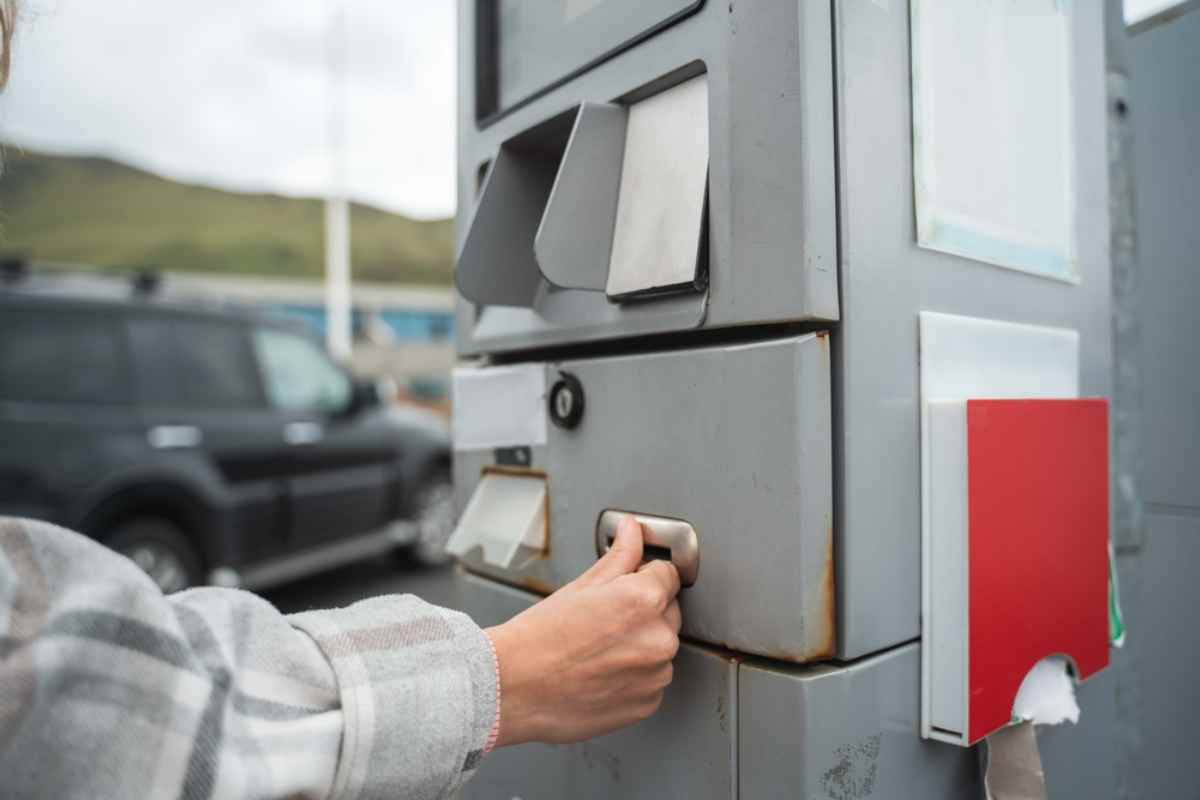
If you’re wondering how to get gas in Iceland at a self-service station, don’t worry, it’s straightforward. All you need to do is:
In some rural areas, unmanned fuel points may literally be one or two pumps in a gravel car park with nothing else around.
Full-service stations are rare but can be found in the cities of Reykjavik and Akureyri, and the town of Egilsstadir. At these gas stations in Iceland, you’ll usually be offered help with pumping fuel and you may find amenities like food courts.
One of the biggest differences when using gas stations in Iceland compared to your home country will probably be the way payments work. So, now you know how to pump gas in Iceland, here are the key things you need to know about how to pay for gas in Iceland:
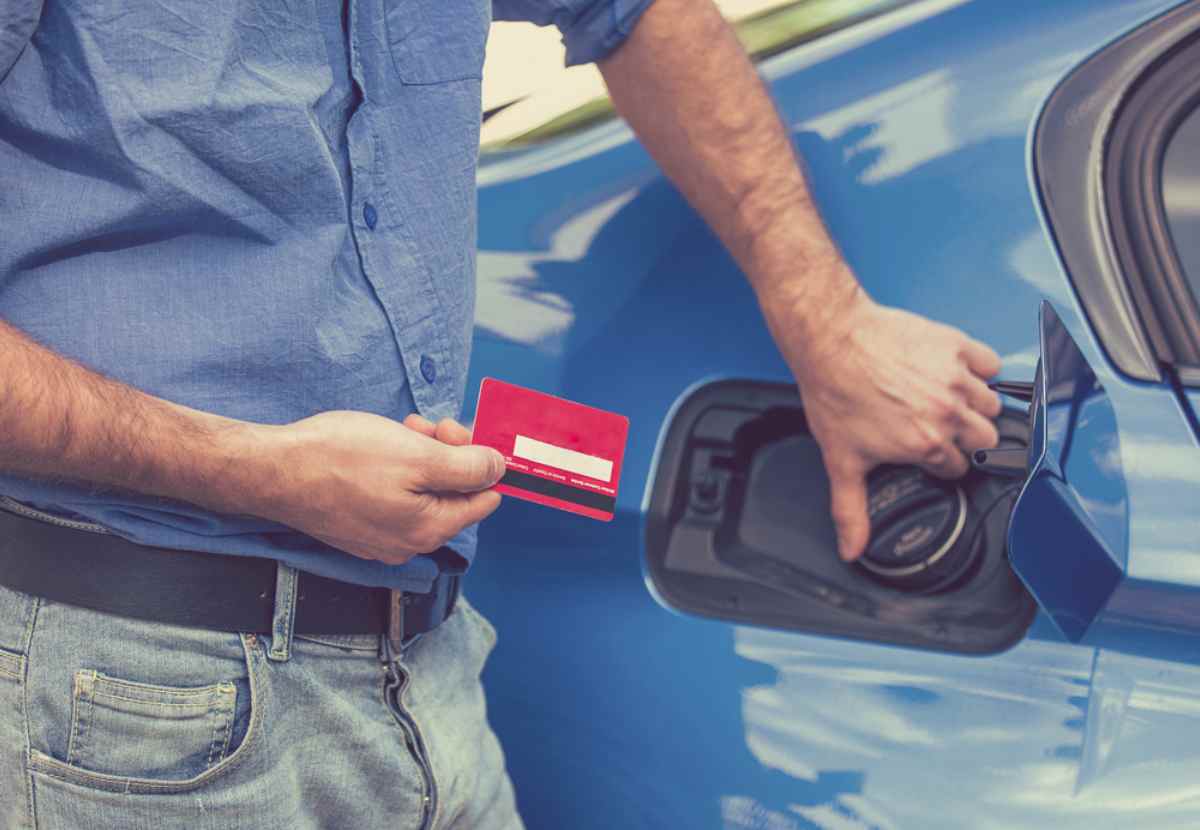
Top travel tip: If you’re ever worried about card compatibility, you can purchase a prepaid gas card inside the convenience store of a manned gas station. These can be reloaded and used at the pump, which is particularly useful if your bank card glitches.
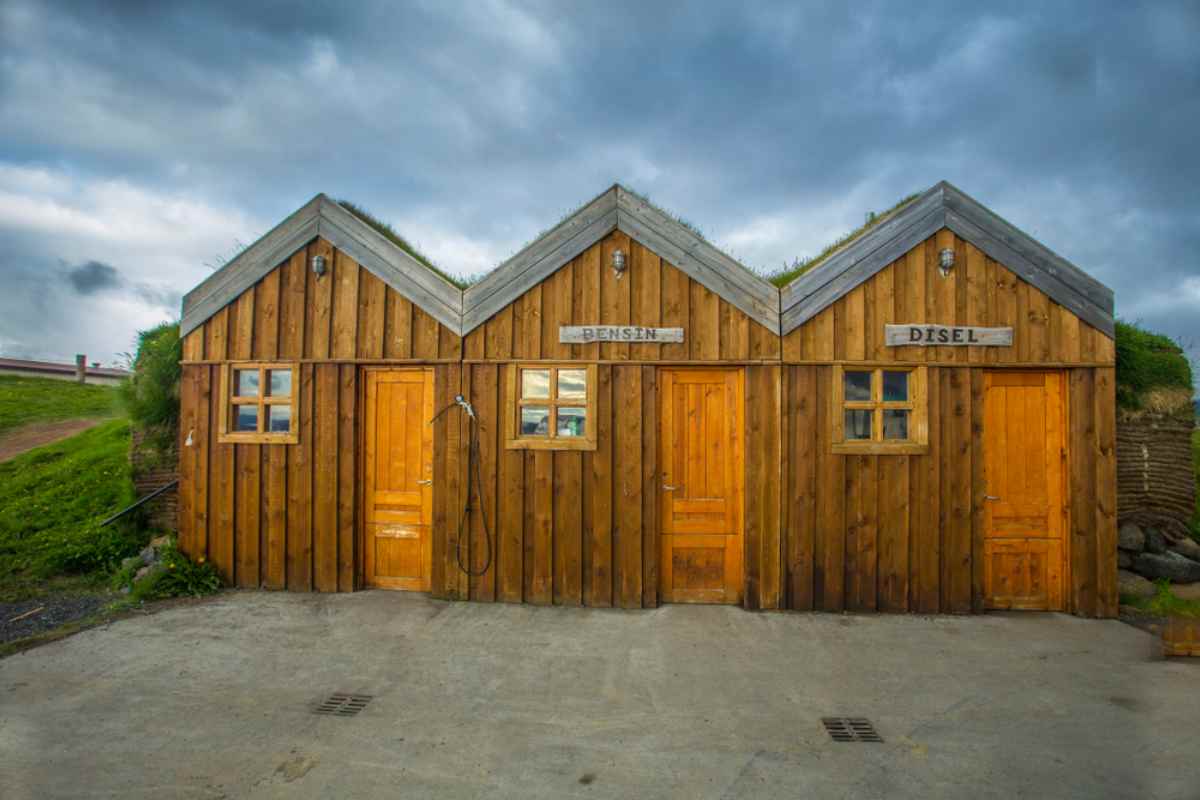
When getting gas in Iceland, there are only two types of fuel to choose from: Bensin (petrol) and Disel (diesel). Most small cars and economy rentals use petrol, whereas SUVs, campervans and motorhomes almost always use diesel. Just make sure to double check which type of fuel your particular vehicle needs before pumping the gas.
Because of the high stakes (repairs from fueling errors can exceed $5000 USD), we recommend always following these steps:

Knowing the major players helps you plan stops at gas stations in Iceland more easily. Here are the key gas station brands you can expect to see during your trip across our incredible island:
N1 has the most widespread network of gas stations across Iceland, both around the Ring Road and throughout all larger towns. Many of these stations come with mini-markets, cafés, bathrooms, and even microwaves to heat food, which is great for longer trips. Sometimes, rental companies offer discount cards for this brand of gas stations in Iceland.
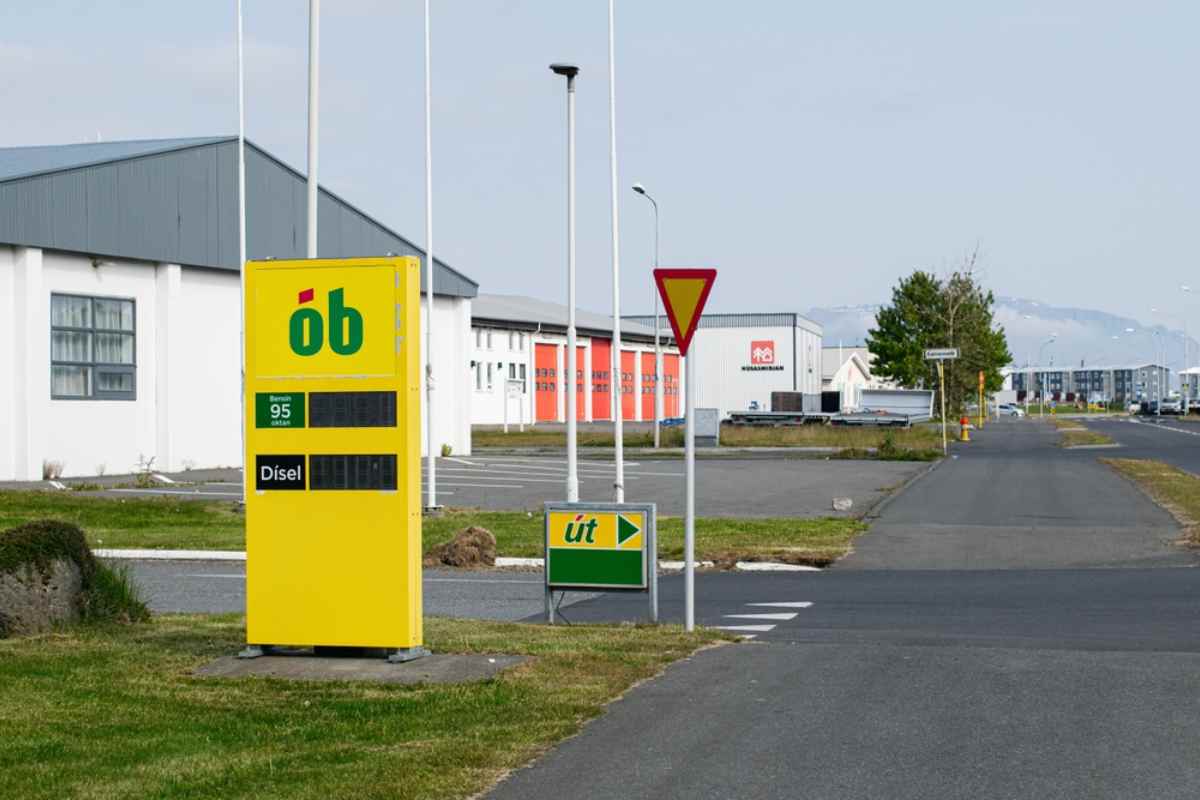
Known for slightly cheaper fuel compared to N1, ÓB (Orkan Budget) is a no-frills, self-service only gas station that’s very common on the Ring Road. These stations often look minimal: just pumps with a small machine for card payment.
Olís gas stations in Iceland are more focused on added services like car washes, on-site restaurants and lounges. A good choice for comfort stops on big trips, some Olís stations also support long-haul truck drivers with shower areas.
There’s only one location of Costco Fuel in Iceland, which is situated in Reykjavik. Fuel here is the cheapest in the country, but you need a Costco card to purchase it (an Icelandic or international membership both work). This gas station in Iceland is useful to know about if you’re basing yourself in Reykjavik and renting a car for day trips or topping up before a longer loop.
Iceland’s Ring Road (Route 1) is the backbone of most road trips, and here you’ll find regular fueling options. However, once you venture off that route, strategies for refuelling stops change. Here’s what to expect in different parts of the country:
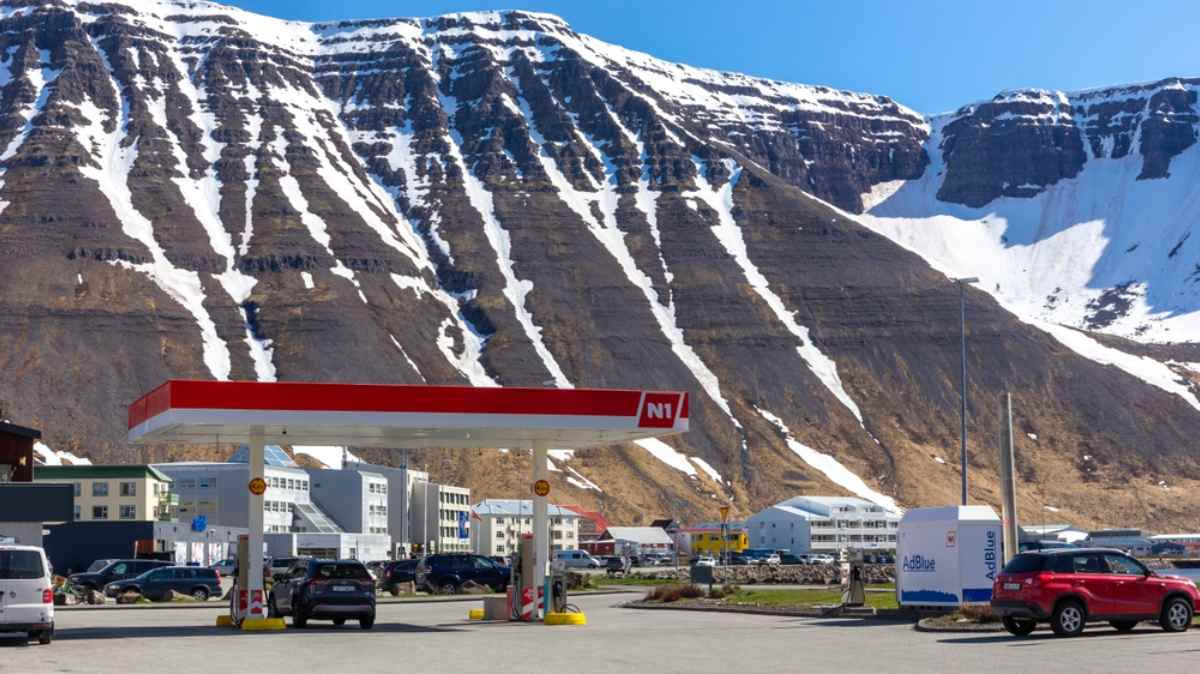
Top travel tip: As mileage consumption is higher in campervans than in small cars, we’d say refueling at half a tank is a smart policy.
When traveling to remote areas of Iceland, you’ll need to be aware of where the fuel stops are ahead of time. We recommend writing down a list of your planned fuel stops before you head out, or saving their locations on a digital map, so you know you’ll always have enough fuel to make it to the next stop. This is especially important for travel in remote areas of Iceland because gas stations are so few and far between. Trust us, planning ahead will really save you a lot of stress and let you enjoy the breathtaking Icelandic scenery in peace.
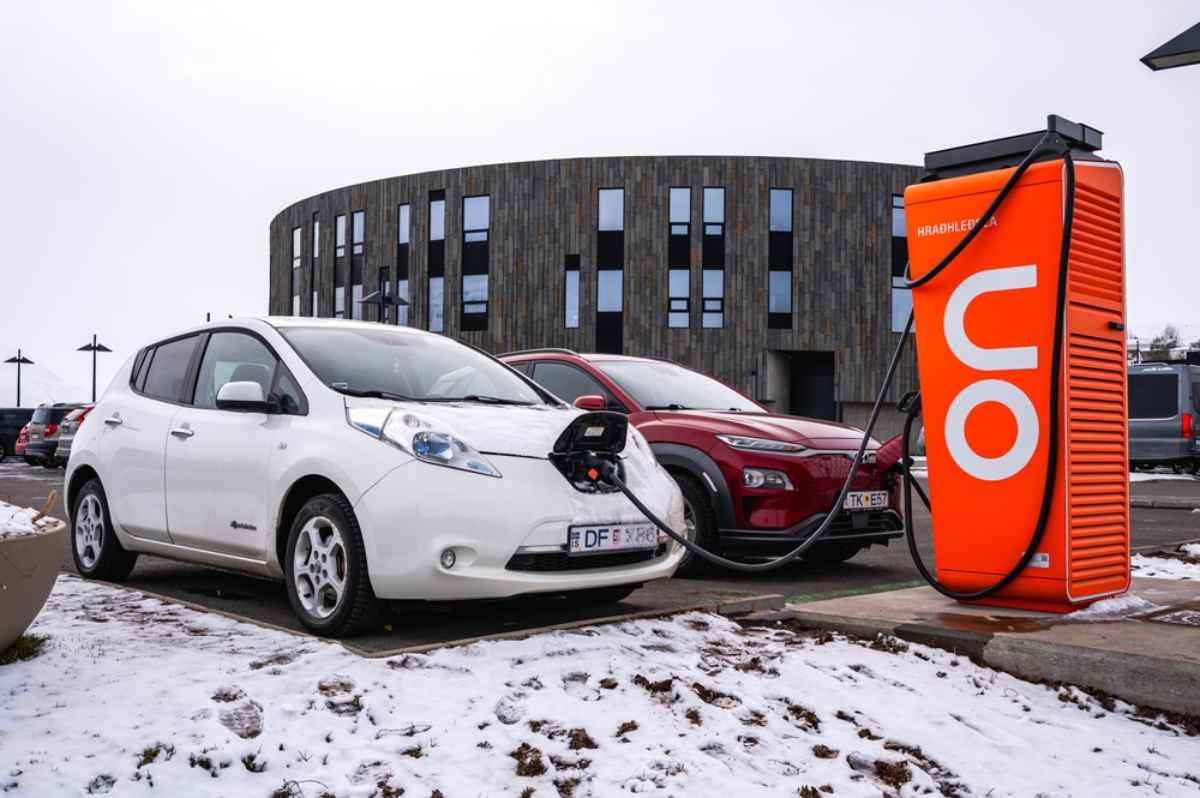
While EV rentals are still a minority, electric vehicle infrastructure is growing yearly across Iceland. Here’s all you need to know about charging an EV in Iceland:
Important: In remote regions like the Westfjords or Highlands, charging options are nearly nonexistent. Unless your trip is limited to Reykjavik and main southern/northern towns, EV driving in Iceland requires serious planning.
Fuel prices in Iceland are famously high, mainly due to the country’s remote island location. As of 2025, the cost of gas in Iceland is:
As we’ve already mentioned, Iceland’s remote location increases gas costs because all fuel is imported to the island. Other factors that influence the cost of fuel in Iceland include increasing international oil prices and VAT and taxation. Prices can also vary slightly between gas station brands (premium vs. discount).
Interestingly, fuel price does not vary dramatically by region in Iceland, unlike in places like the US. The difference in price comes mainly from which brand you stop at, not whether you’re in Reykjavik or the Eastfjords.
Since average fuel costs are high in Iceland, you’ll probably want to use every strategy you can to conserve fuel and save money. Here are our top travel tips to help you save money on gas in Iceland:
Most Icelandic rental companies partner with gas stations to offer discounts of 3 to 7 ISK per liter. Over a two-week Ring Road trip, this can save you between 4,000 and 6,000 ISK (~$33 to 49 USD), so it’s well-worth checking out this option. Your rental company should offer you a discount card if they have one available, or you can always ask to find out.

Here are some top tips to reduce your fuel consumption when driving in Iceland:
Before each day, ask yourself: Is there a way to visit attractions in a loop instead of backtracking? Efficient planning can save entire tanks of gas, which is vital when you’re covering 2,000 km or more on the Ring Road. Planning your route in the most fuel-efficient way will also save you time and allow you to visit more stunning attractions across Iceland.
Diesel is generally cheaper than petrol in Iceland, and diesel engines consume less overall, so a diesel SUV or van can save hundreds of dollars over a two-week trip compared to petrol. This is especially true if you’re traveling long distances, so it’s worth considering whether you’d like to find a diesel vehicle for your trip.
For many travelers, gas stations become almost like their roadside living rooms. These pit stops for food, warmth and sometimes human connection on long stretches of empty highway can offer a place to rest on long driving days, as well as facilities for comfort. Some gas stations in Iceland offer more than you might expect, including:
Iceland’s gas stations may not be glamorous, but mastering them is one of the most important steps for a successful road trip journey across the island. From understanding whether you need diesel or petrol, to timing your fill-ups on the Ring Road, to taking advantage of discount cards, a little preparation pays off big time!
Now you know all about getting gas in Iceland, you can enjoy a stress-free adventure in the Land of Ice and Fire, visiting icy glaciers, fiery volcanoes and everything in between. We invite you to take a look through our range of high-quality, affordable and reliable car rentals in Iceland to choose your ideal vehicle for your vacation. Got any questions? Don’t hesitate to contact our friendly team, we’re always happy to help you out.
So all that’s left to do is fuel up wisely, drive prepared and enjoy every beautiful kilometer of our unique country. We look forward to welcoming you to Iceland soon!
Ready to explore Iceland? Book your rental car today.
Book now
Visiting Iceland in April gives you the perfect chance to explore the natural wonders of this incredible island in the w...
Read More
Learn all about visiting the impressive Mulagljufur Canyon in South Iceland in our complete traveler’s guide to this spe...
Read More
Explore the fascinating Strokkur Geyser in Iceland. Learn about its history and eruptions. Read the full guide now!...
Read More