Iceland Car Seat Laws: Everything You Need to Know Before Renting a Car
18-07-2025
Renting a car in Iceland is by far the best way to explore our country’s epic landscapes with the whole family, allowing you to travel on your own schedule and go wherever your heart desires.
If you’re bringing the children along for a once-in-a-lifetime Iceland road trip adventure, understanding and complying with Iceland’s car seat laws will be essential for you – not just for safety, but also to avoid fines and enjoy a smooth, stress-free trip.
So, what exactly are Iceland’s car seat laws? This practical guide covers everything you need to know, from legal requirements and choosing the right car seat, to installation tips and family-friendly travel advice. Let’s get started!
Understanding Iceland’s Car Seat Laws
First of all, how do you know whether your child needs a car seat in Iceland? Take a look through the rules and requirements below to find out.
Who needs a car seat in Iceland?
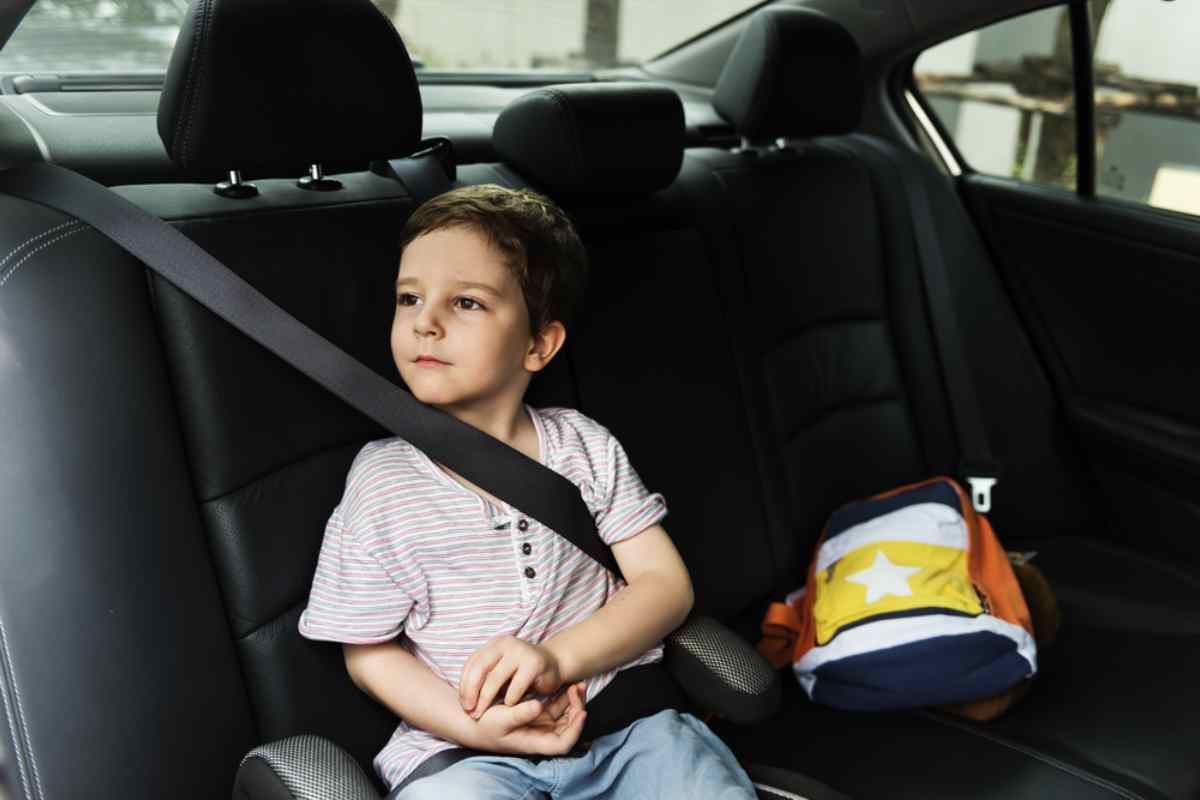
In Iceland, all children under 135 cm (4'5") in height must use an appropriate child restraint system, which could mean either a car seat or a booster seat, depending on their size and age. This rule applies whether you’re driving your own car, a rental car, or a campervan. The different types of car seats you can use are:
- Rear-facing seat
- Forward-facing seat
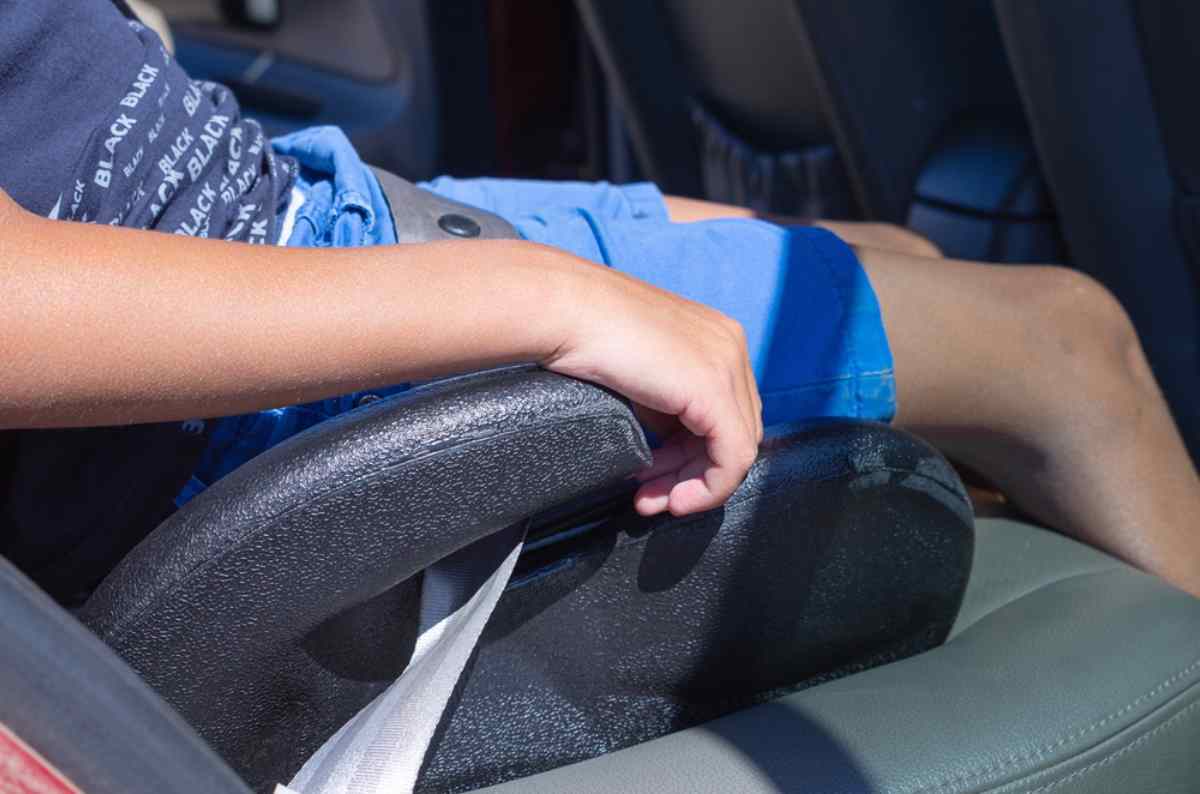
- Booster seat with high back
- Backless booster seat
Age, height, and weight requirements
To determine which type of car seat your child needs according to the Iceland car seat laws, you’ll need to check the age, height and weight requirements below:
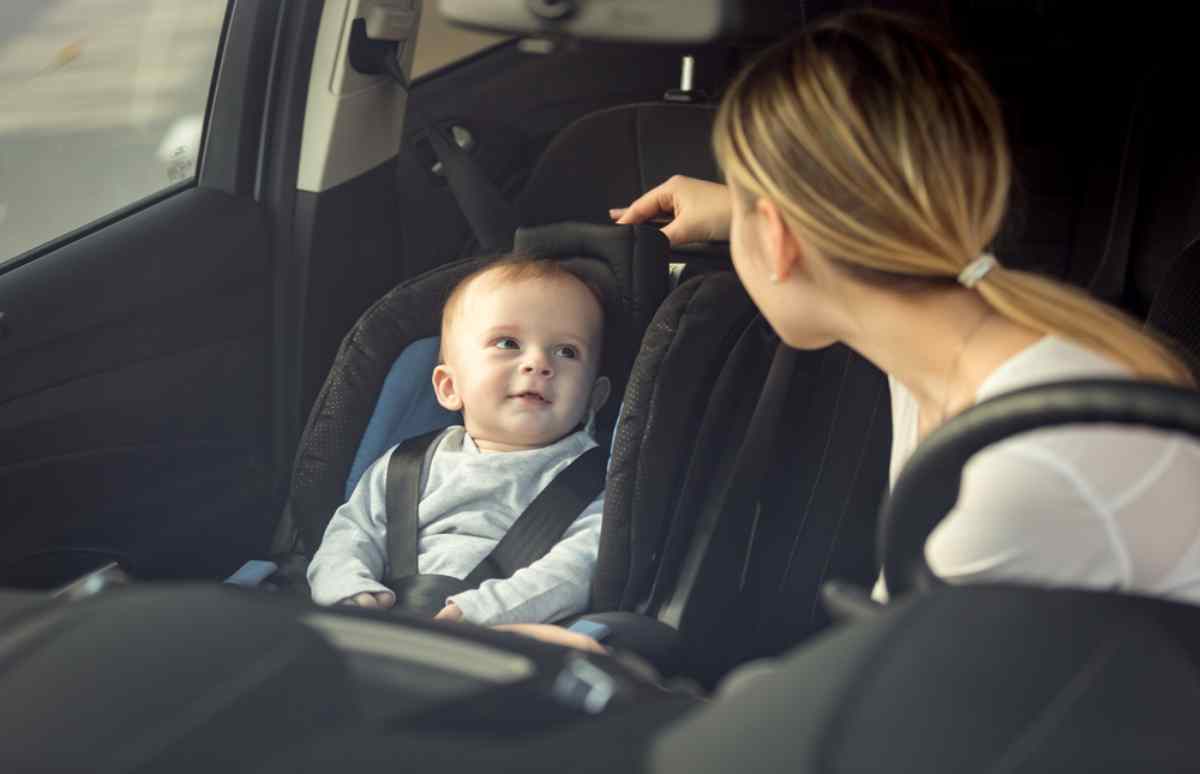
- Infants(0–2 years, up to 13 kg/29 lbs): Must use a rear-facing car seat, installed in the back seat.
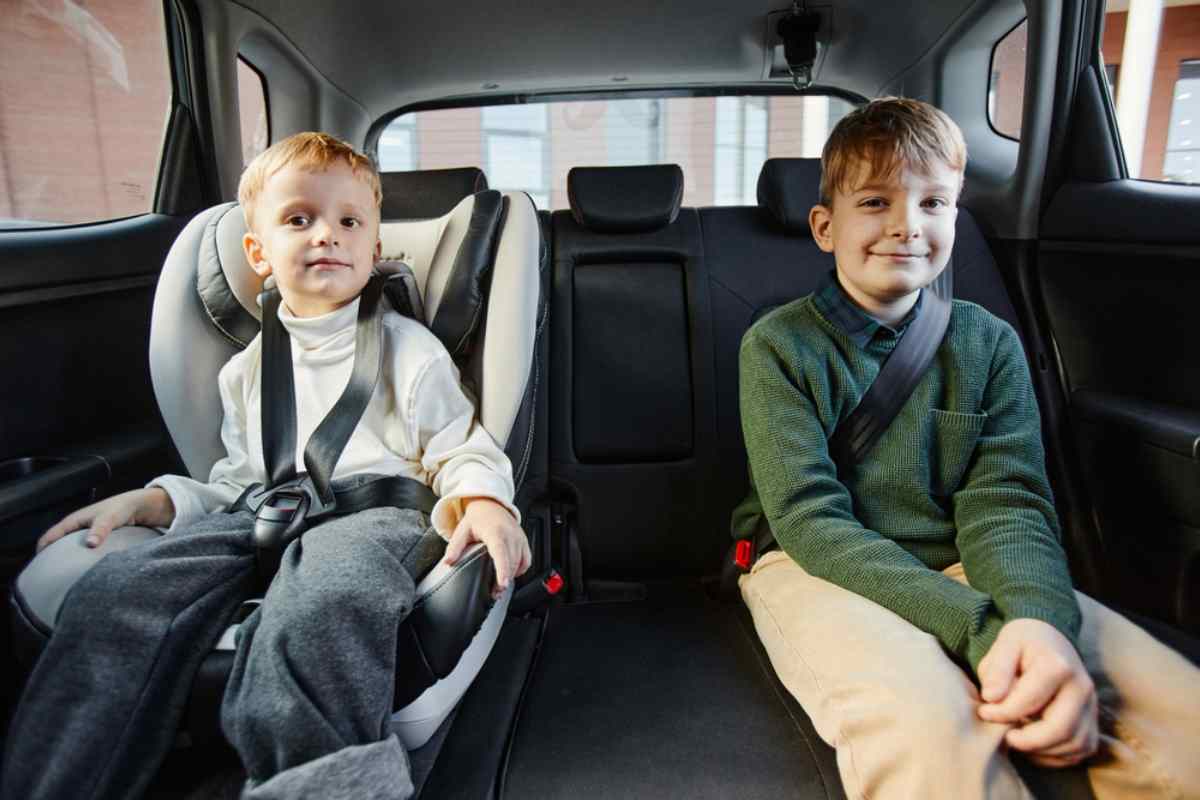
- Toddlers(1–4 years, 9–18 kg/20–40 lbs): Must use a forward-facing car seat or remain rear-facing as long as possible, always in the back seat.
- Children(4–10 years, 15–36 kg/33–80 lbs): Must use a booster seat until they reach 135 cm in height or 36 kg in weight.
- Older children(over 135 cm): Can use the vehicle’s seat belt, but the seat belt must fit properly across the chest and lap.

Front seat restrictions for children
Children under 135 cm are not allowed to sit in the front seat if there is an active airbag. The safest place for all children is always the back seat, so it’s best to keep children sitting in the back seat for as long as possible.
Renting a Car with a Child Seat in Iceland
Now that you know which car seat you’ll need, you might be wondering how to rent a car seat in Iceland. Here’s all the info you need to know!
Do rental companies provide car seats?
Yes, most car rental companies in Iceland offer car seats and boosters for rent, but it’s important to reserve the correct type in advance to guarantee availability. Prices typically range from $7–$28 USD per day, depending on the seat and provider.
Types of car seats available for rental
Rental car companies in Iceland usually offer a choice of:
- Infant rear-facing seats (0–13 kg)
- Toddler forward-facing seats (9–18 kg)
- Booster seats (15–36 kg)

All car seats that are used in Iceland must meet the European standard. There’s a newer type, R129 (i-size), which is the only one that can be sold in Iceland. There’s also the older R44/04 standard, which can only be used if already in circulation.
Choosing the Right Car Seat for Your Child
|
Age/Weight/Height
|
Type of Seat
|
Legal Requirement in Iceland
|
|
0–2 years / 0–13 kg
|
Rear-facing infant seat
|
Mandatory, back seat only
|
|
1–4 years / 9–18 kg
|
Forward-facing seat
|
Mandatory, back seat only
|
|
4–10 years / 15–36 kg
|
Booster (high-back/backless)
|
Mandatory until 135 cm or 36 kg
|
|
Over 135 cm
|
Seatbelt only
|
Allowed if belt fits properly
|
Infant car seats (0–2 years, 0–13 kg, rear-facing)
- Must be rear-facing and installed in the back seat.
- Use a 5-point harness system to ensure maximum safety.
Toddler car seats (1–4 years, 9–18 kg, forward-facing)
- Can transition to forward-facing after 15 months, but rear-facing is recommended as long as possible.
Booster seats (4–10 years, 15–36 kg, high-back and backless)
- Required until the child reaches 135 cm or 36 kg.
- High-back boosters are recommended for extra support.
Older children (above 135 cm, seatbelt-only restrictions)
- May use the vehicle’s seat belt if it fits snugly across the chest and lap, not the neck or stomach.
Car Seat Installation & Safety Tips for Icelandic Roads
As well as choosing the correct car seat for your child, it’s also really important to learn how to correctly install the car seat in the car. Rental companies generally don’t install the seat for you; you are responsible for installation, but you can always ask them for help if you’re unsure.
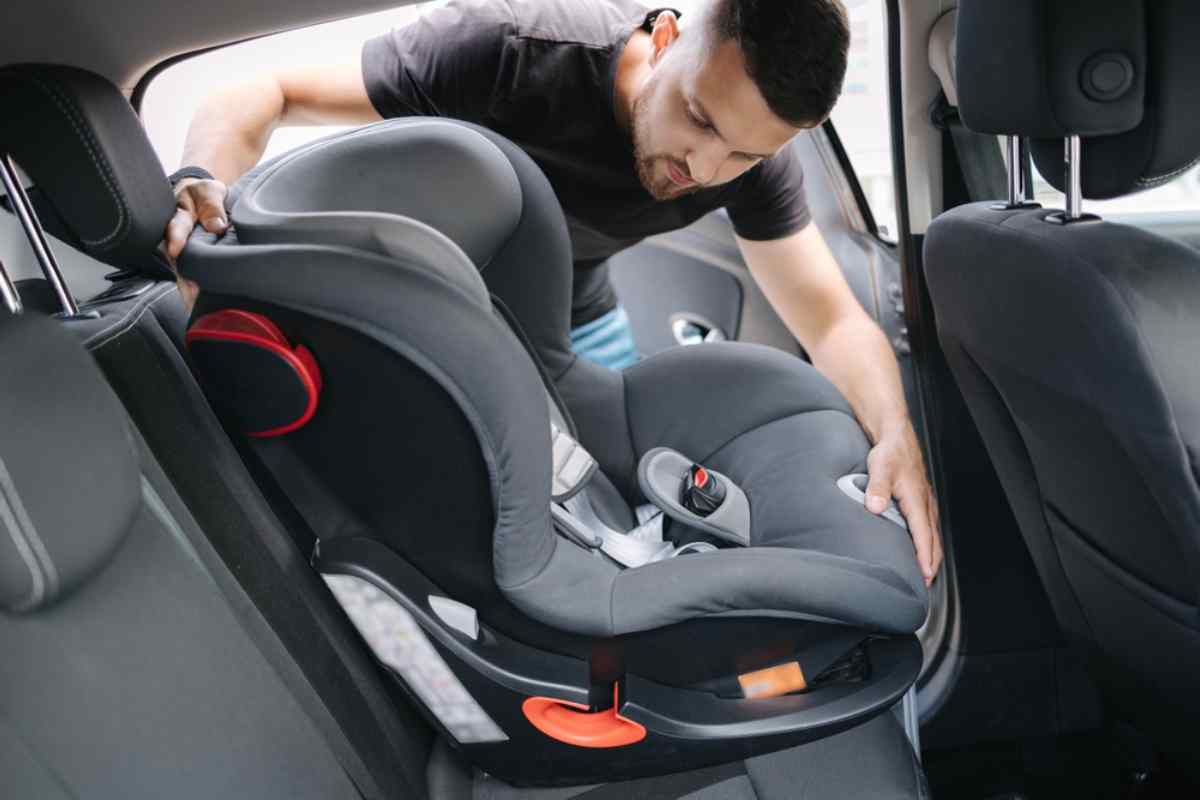
Make sure to read any instructions that come with the car seat thoroughly, especially when mounting the seat in the car for the first time. Sometimes there will be installation guides on the seat itself. Here are some helpful tips to ensure you’re using your car seat correctly.
How to properly secure a car seat in your rental vehicle
- Use ISOFIX fixings – Most new cars have ISOFIX attachments, which are the safest ways to attach car seats to the frame of the car.
- Check that the seat is securely fastened, and the harness fits your child tightly – When the car seat is fitted correctly, it shouldn’t move more than 2.5 cm (1 inch) at the belt path. Ensure the harness is snug, which means that there’s no slack at the child’s shoulders, and the chest clip is at armpit level.
- Make seat belt adjustments if necessary – You may need to adjust the seat belt according to how many layers your child is wearing and make sure to tighten the seat belt if your child is wearing anything that uses air as insulation (such as a down jacket). It’s also vital that the seat belt isn’t twisted.
Common mistakes to avoid when installing a car seat
Some common mistakes to avoid when using a car seat for children include:
- Using the wrong harness slot – It should be at/below shoulders for rear-facing and at/above shoulders for forward-facing.
- Placing the chest clip too low or high – It should be at armpit level.
- Installing the seat too loosely – This could mean that the equipment doesn’t work correctly.
- Using expired or damaged seats – Always check the expiration date and condition.
- Placing a child in the front seat with an active airbag – This is illegal according to Iceland car seat laws.
Safety tips for driving with children in Iceland
Following Iceland’s car seat laws is one of many factors to consider when planning a safe and enjoyable Icelandic road trip for all the family. We recommend keeping these top tips in mind during your vacation to have the best experience possible:
- Check Iceland’s current road conditions and the up-to-date Icelandic weather forecast before you set off on your day trips. As Iceland’s weather is famously changeable (sometimes changing very rapidly), it’s important to be aware of current conditions for the areas you’ll be visiting.
- Drive slowly and carefully on gravel roads and single-lane bridges. Iceland has many rough, unpaved roads, particularly the mountainous F-roads, which require extra care to traverse. It’s a good idea to give yourself extra time when driving in Iceland to make sure that you can drive as safely as possible.
- Plan for frequent breaks to give the driver a rest and allow kids to stretch their legs a little.
- Ensure children are always buckled in before moving the car. This includes checking that the car seat is well-fitted.
Traveling in Iceland with Kids: What You Need to Know
Discover some of the top Iceland attractions for kids, plus our top tips to have a successful family road trip in Iceland.

Keeping kids comfortable during long drives
- Pack snacks, water and entertainment (books, tablets, toys).
- Dress children in layers, particularly as weather can change quickly.
- Bring blankets and sunshades for naps and comfort.
Best family-friendly road trip stops in Iceland
- Geothermal swimming pools – Many towns have family-friendly pools with children’s areas for you to enjoy.
- Waterfalls and natural sights – Easy-access stops like Seljalandsfoss, Skogafoss and the Golden Circle are great for kids, allowing them to soak in the breathtaking sights of Iceland’s natural beauty.
- Museums and attractions – Enjoy the wonder of a Northern Lights show and walk through the world’s first indoor ice cave at Perlan Museum in Reykjavik. Kids will also love the Giantess Cave in Keflavik, the Troll Garden in Fossatún and the Lava Centre in Hvolsvöllur.

Additional travel gear: strollers, travel cribs and other essentials
Baby gear rental services (e.g., MiniRent) offer strollers, travel cots, carriers and more for pickup in Reykjavik or delivery to your accommodation. Booking these in advance can save luggage space and hassle.
Frequently Asked Questions About Car Seat Laws in Iceland
Can I bring my own car seat to Iceland?
Yes, you can bring your own car seat to Iceland, but it must meet European (ECE R44/04 or R129/i-Size) safety standards in order to comply with Iceland's car seat laws. US-approved car seats are not legal for use in Iceland.
Are car seats required in taxis and buses?
- Taxis – Not all taxis provide car seats. It’s best to bring your own or pre-book a taxi with a car seat.
- Buses – Car seats are not required or practical on public buses, but children must be seated safely.
What happens if I don’t use a car seat?
- Fines for non-compliance with Iceland's car seat laws are ISK 30,000 (about $250) for each offense.
- The driver is responsible and may not be allowed to continue the journey until the child is properly secured.
Get All Set to Enjoy a Fun-Filled Family Vacation in Iceland!
Now you’re familiar with all the Iceland car seat laws you need to know, you can make sure your trip goes as smoothly as possible by booking your Iceland rental car and required child seats well in advance, especially during high season.
Get ready to travel all across our incredible island, discovering the mighty mountains, fiery volcanoes, cascading waterfalls, glistening glaciers and more. We look forward to welcoming you to our beautiful country soon!