
06-10-2023

Iceland, a land of fire and ice, transforms into a winter wonderland come December. With snow-covered landscapes, dancing Northern Lights, and a festive spirit in the air, December in Iceland is a magical time to explore this Nordic island. Whether you're chasing the auroras or soaking in geothermal pools, Iceland promises an unforgettable winter experience.
In December, Iceland's temperatures typically range between -2°C (28°F) and 4°C (49°F), marking it as a chilly month. December in Iceland is characterized by short days and long nights, with only about 4-5 hours of daylight.
The average temperature in Iceland in December hovers around freezing, but the Gulf Stream ensures milder temperatures than other places at the same latitude. Snow is common, especially in the northern and eastern parts, adding a white blanket to the already stunning landscapes.
The Northern Lights, or Aurora Borealis, are a celestial dance of colors that light up the Icelandic skies, especially during the long winter nights. December in Iceland provides an ideal setting with its clear, dark skies.
To maximize your chances of witnessing this phenomenon, head to remote areas away from the light pollution of cities. The spectacle is unpredictable, so patience is key. Many travelers opt for guided Northern Lights tours, where local experts take you to the best viewing spots.

Iceland's glaciers are ancient, massive, and awe-inspiring. Glacier hiking allows you to traverse these icy giants, witnessing deep crevasses, ice formations, and sometimes even ice caves.
Popular glaciers for hiking include Vatnajökull, Langjökull, and Sólheimajökull. Guided tours ensure safety, providing crampons, ice axes, and other necessary equipment. The contrast of the white snow against the dark winter sky is a sight to behold.
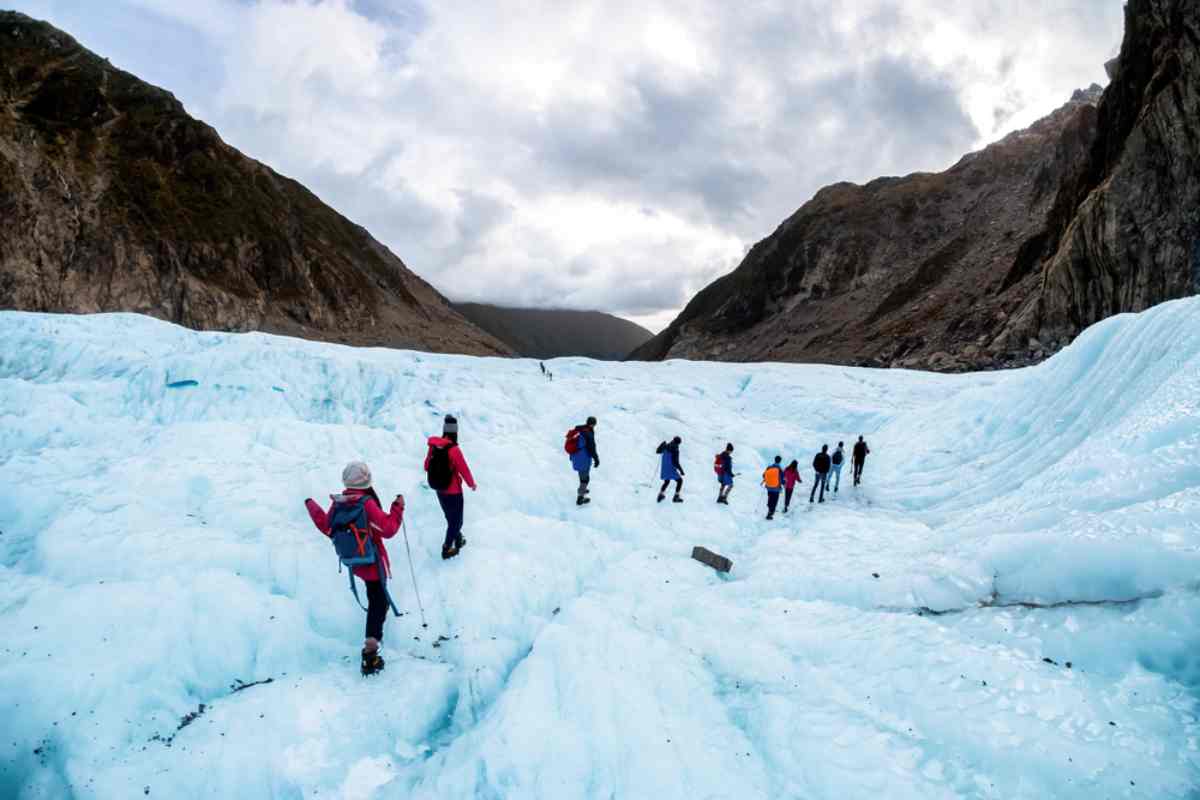
Ice caves are transient wonders that form within glaciers. The blue hue of the caves, a result of the ice's density, offers a magical and almost otherworldly experience. These caves are accessible only during the colder months, making December an ideal time.
Tours to the ice caves often start with a thrilling ride in super jeeps, followed by a hike to the cave's entrance. Inside, the play of light through the ice is a photographer's dream.

The cold waters around Iceland are teeming with marine life. December brings the majestic orcas closer to the shores. Setting sail from places like Reykjavík or Akureyri, whale-watching tours offer a chance to see these magnificent creatures, along with humpback whales, minke whales, and sometimes even blue whales. The experience is enhanced by the snow-capped mountains in the backdrop.

Iceland's geothermal activity results in numerous hot springs scattered across the country. Bathing in these naturally heated pools, with steam rising around you and snow all around, is an experience like no other.
The Blue Lagoon is undoubtedly the most famous, but there are many lesser-known hot springs like the Secret Lagoon or the Myvatn Nature Baths that offer a more intimate experience.
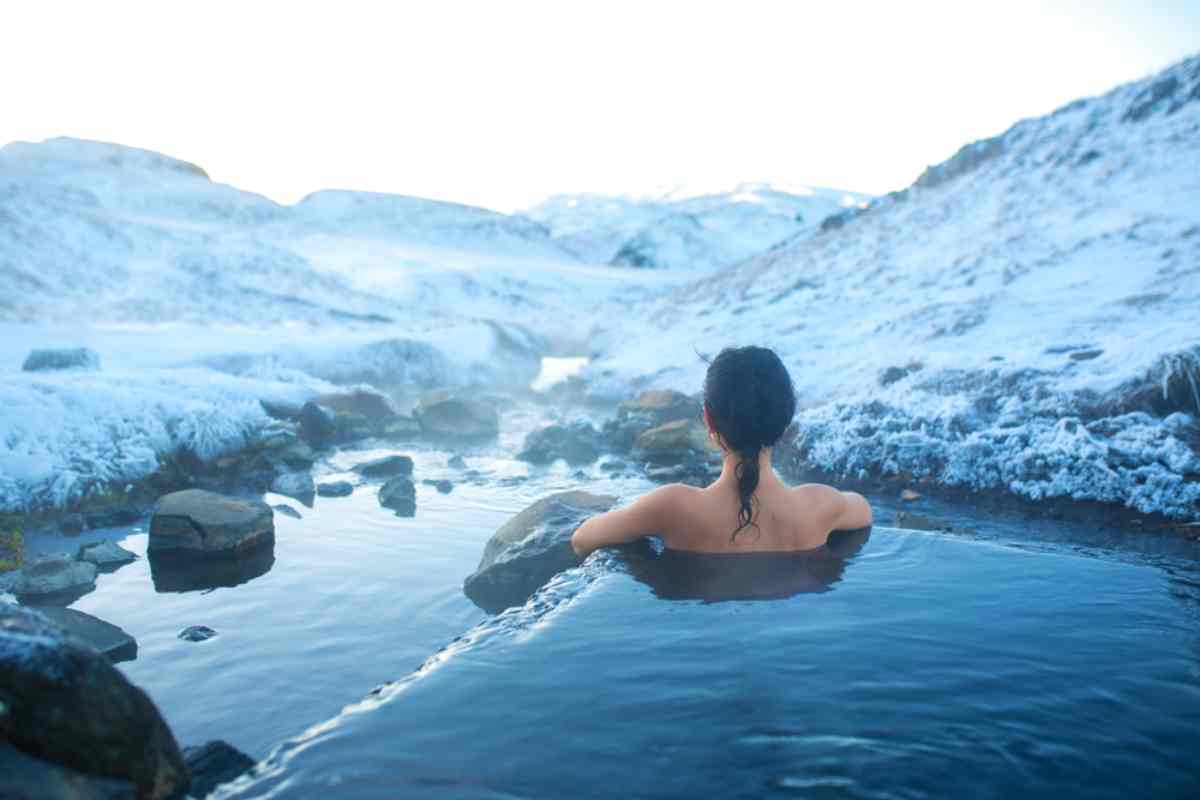
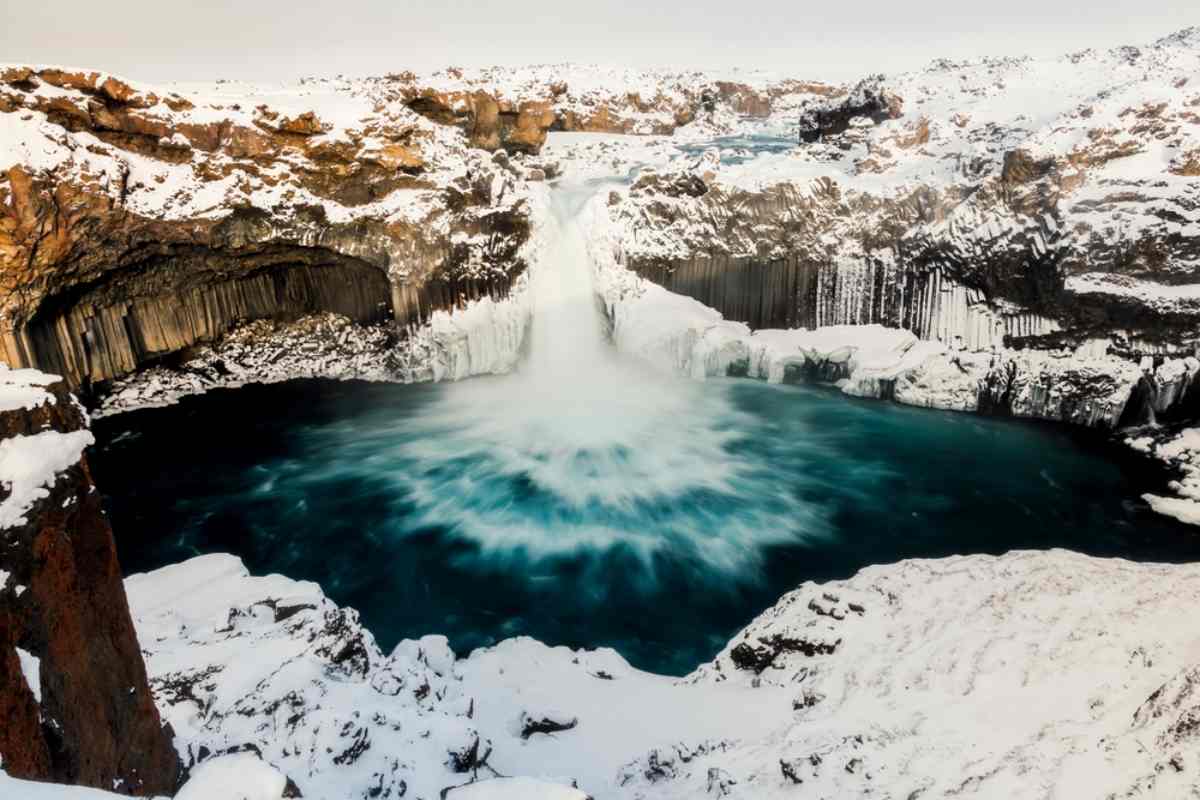
Iceland's waterfalls are a testament to its raw natural beauty. In December, they transform into icy wonders. Gullfoss, part of the Golden Circle, is particularly enchanting, with parts of it freezing, creating a play of ice and flowing water.
Other waterfalls like Seljalandsfoss and Skógafoss wear a cloak of snow and ice, making them even more picturesque. Some waterfalls also have paths that allow you to walk behind the cascading water, offering a unique perspective.
Accommodation options in Iceland range from luxury hotels to cozy guesthouses. Reykjavík, the capital, offers a variety of options and is a good base for those looking to explore the Golden Circle.
For a more secluded experience, consider staying in countryside hotels or lodges, which might also offer better chances to spot the Northern Lights.
Always check the weather forecast and road conditions before heading out.
Days are short, so plan activities accordingly.
Dress in layers to stay warm. Waterproof and windproof outer layers are essential.
If you're driving, be prepared for icy roads and ensure your vehicle is winter-ready.

Packing for Iceland in December requires a focus on warm and waterproof items.
Thermal base layers: Wool or synthetic layers to keep you warm.
Insulated waterproof jacket: Preferably with a hood to protect against wind and snow.
Waterproof pants: Useful for activities like glacier hiking or ice caving.
Warm sweaters: Wool or fleece are ideal.
Sturdy waterproof boots: With good grip for icy conditions.
Thick woolen socks: To keep your feet warm and dry.
Gloves: Insulated and waterproof.
Warm hat and scarf: To protect against cold winds.
Swimsuit: For bathing in hot springs.
Microspikes or crampons: For added grip on icy terrains.
Sunglasses and sunscreen: The snow can reflect UV rays even in winter.
Reusable water bottle: Tap water in Iceland is pure and drinkable.
Portable charger: Cold can drain battery life quickly.
Headlamp or flashlight: Given the limited daylight hours.
Camera and protective gear: To capture the stunning winter landscapes.
Daypack: Waterproof, for daily excursions.
Lip balm and moisturizer: The cold can be harsh on the skin.
Travel adapter: For charging devices.
Snacks: Especially if you're venturing into remote areas.
First aid kit: Always handy to have.
Maps and guidebooks: For reference and planning.
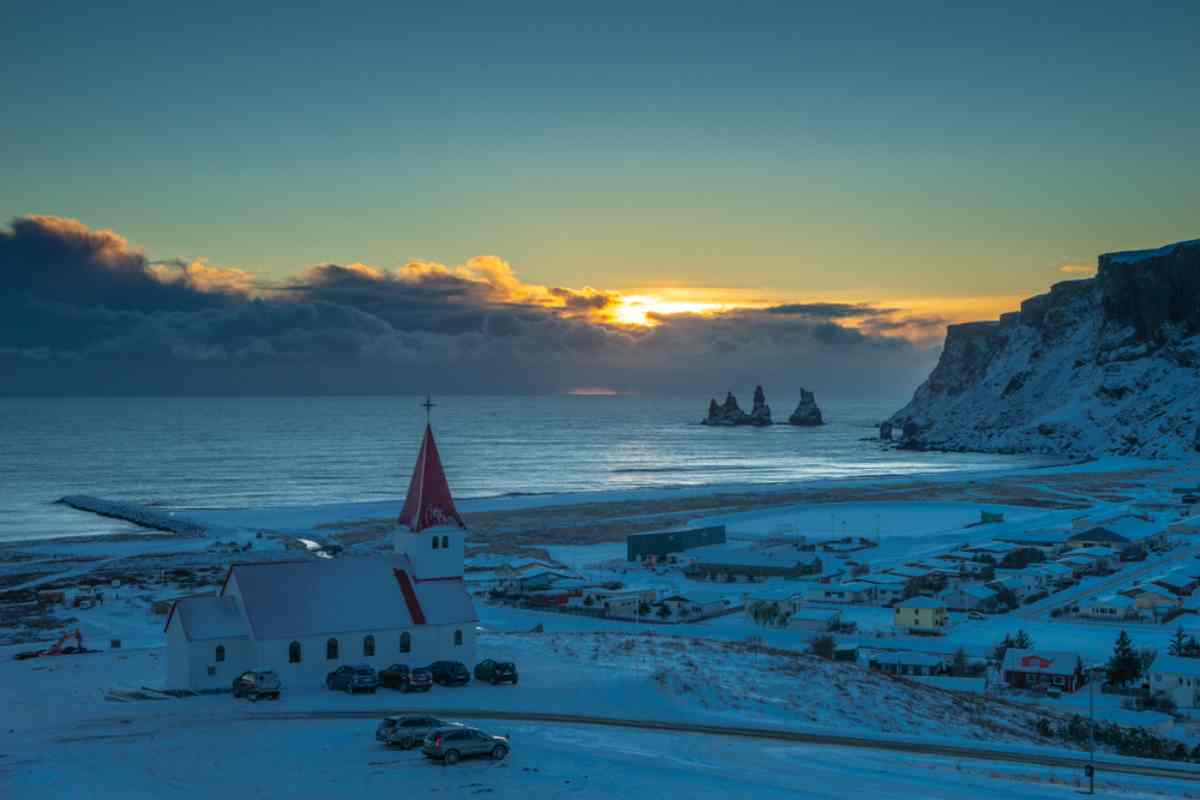
Visiting Iceland in December is a unique experience, offering a blend of winter activities, natural wonders, and festive vibes. Whether you're marveling at the Northern Lights or exploring ice caves, the memories you make will last a lifetime.
And if you're considering exploring at your own pace, consider renting a car from Iceland Cars to make the most of your trip. Safe travels and enjoy the winter magic of Iceland!
Ready to explore Iceland? Book your rental car today.
Book now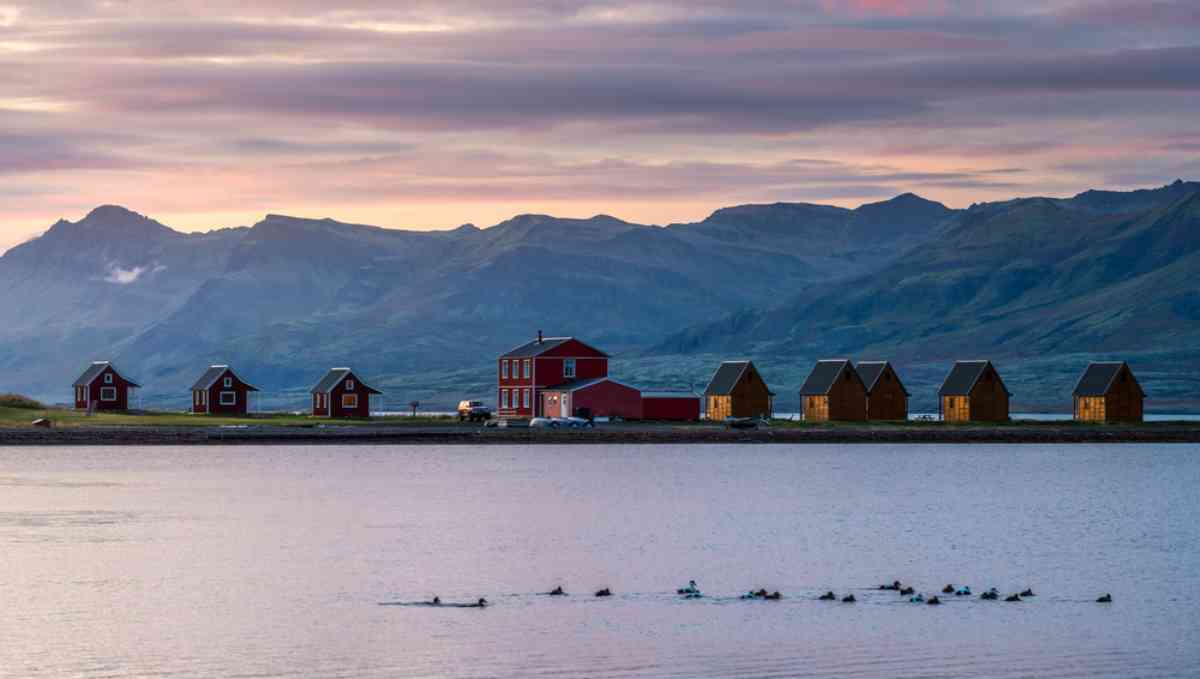
Unique places to stay in Iceland: from glass igloos to lava tunnels. Experience the natural beauty of Iceland in a truly...
Read More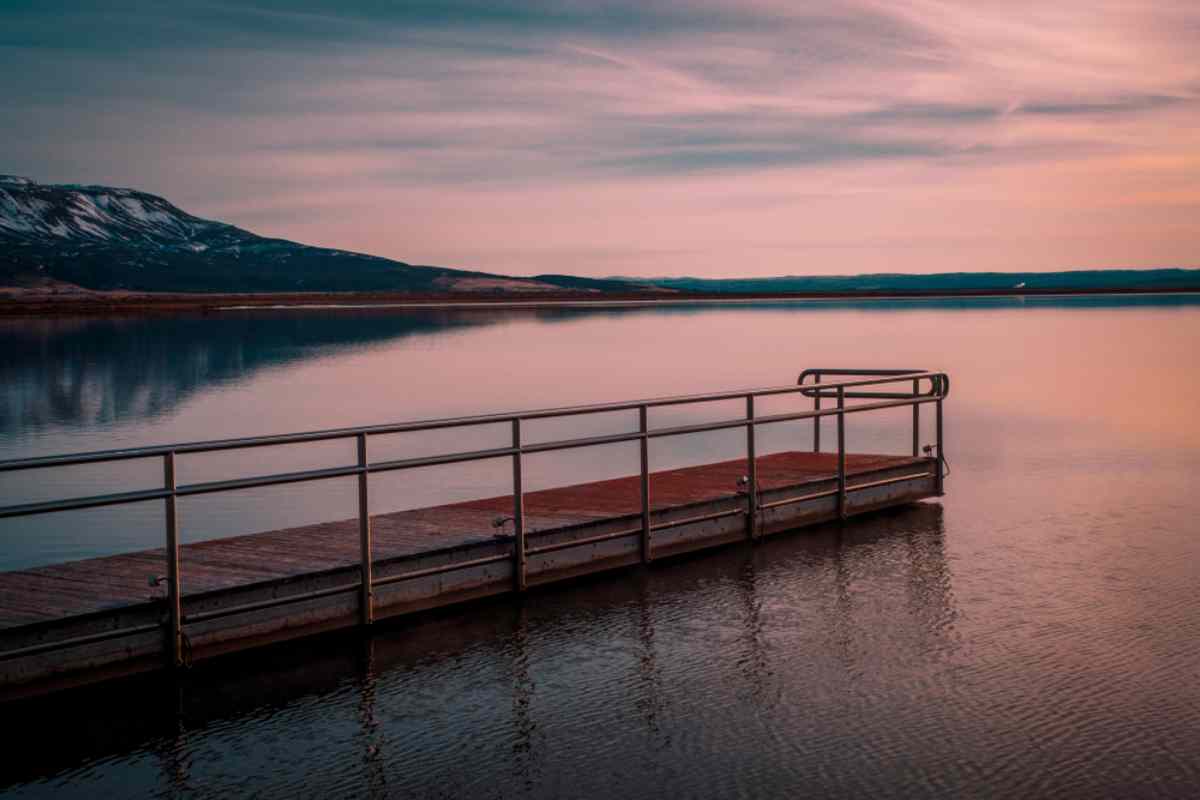
Discover all you need to know about the serene steam baths, pools, hot tubs, sauna and lake at Laugarvatn Fontana Geothe...
Read More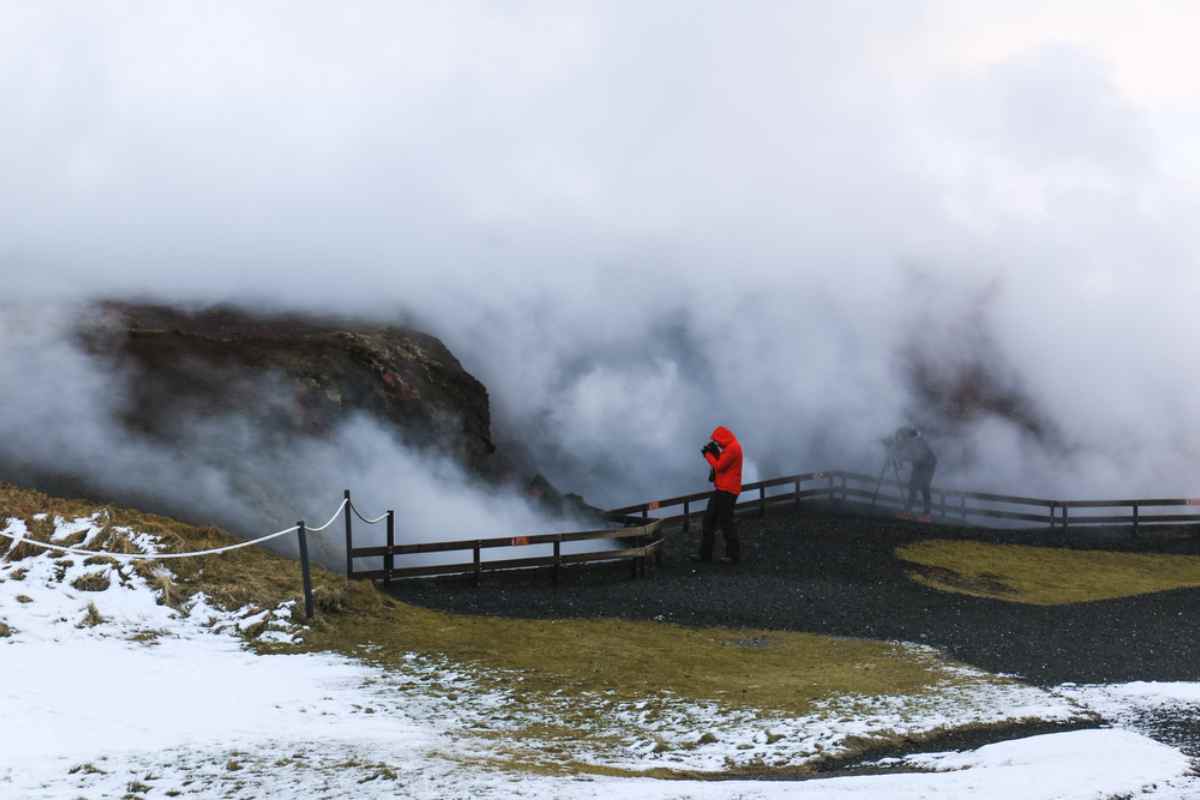
Immerse yourself in the rejuvenating waters of Krauma Spa, Iceland's breathtaking geothermal spa. Indulge in the warmth ...
Read More