
26-12-2025
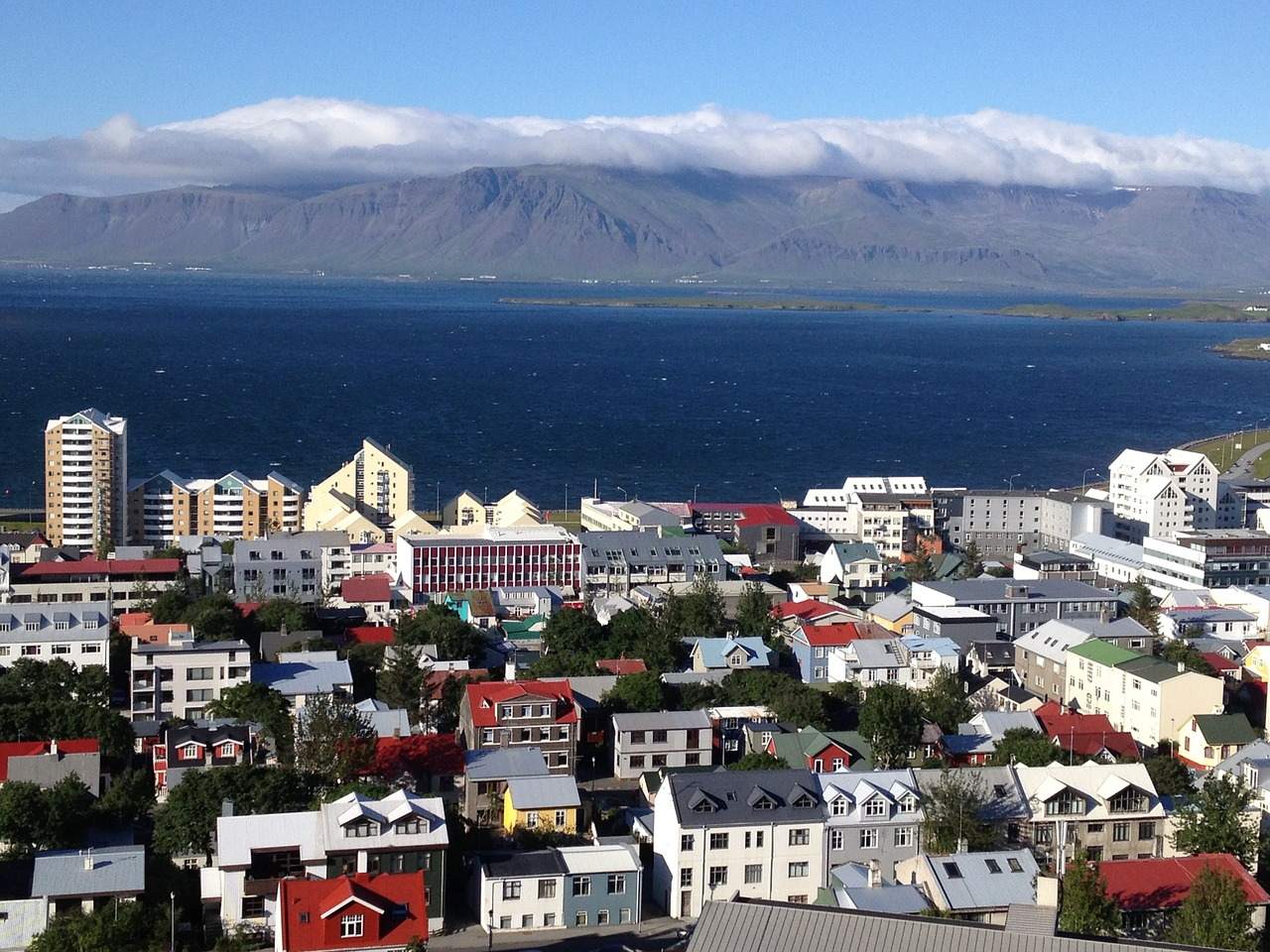
Reykjavík walks a fine line. Half fishing town, half capital city with a caffeine problem. It’s wedged between mountains, sea, and just enough volcanic threat to keep things spicy. You’re never far from nature, even in the center.
Most people treat it like a layover on the way to “real Iceland.” Big mistake. Reykjavík is also the trip. This guide covers the essentials: iconic landmarks, low-key gems, and side quests that start with good coffee and end in lava fields.
If you’re looking for the real things to do in Reykjavík, start here. Then see if you even want to leave.
Even the locals end up here again and again. These aren’t just box-checking sights. They’re Reykjavík’s backbone. See the ones worth your time, or skip them and regret it later. If you’ve rented a car in Reykjavik, park once and walk. Everything in this section is within easy reach.
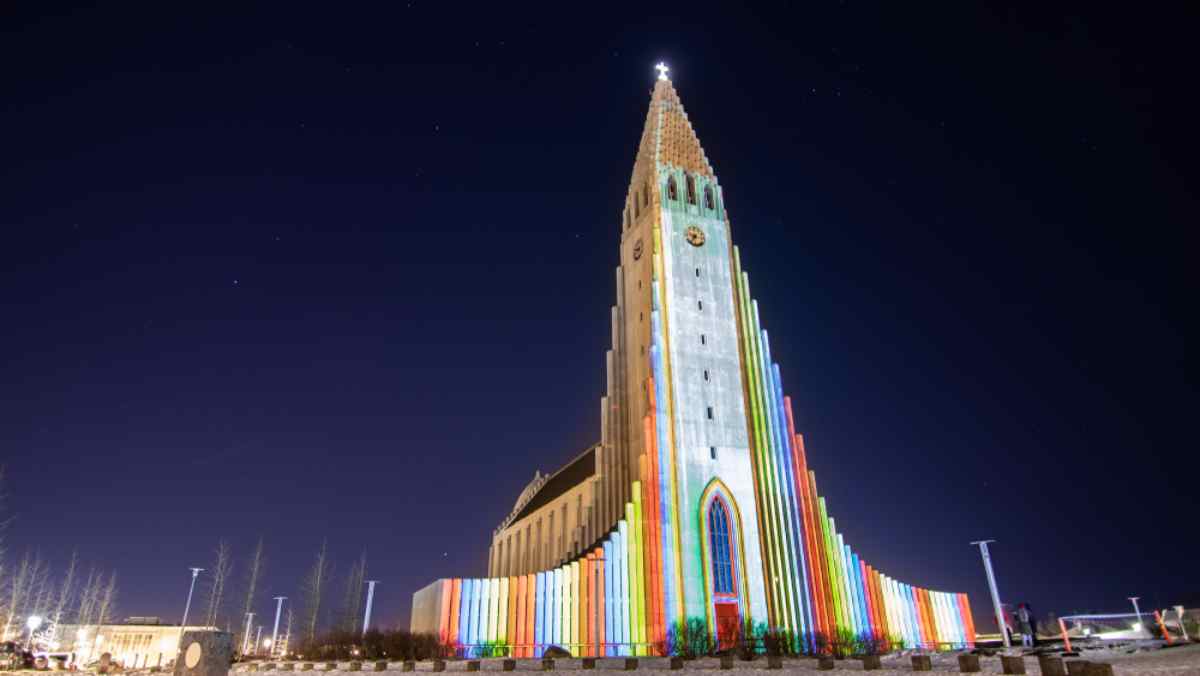
Hallgrímskirkja isn’t just any old church. Oh, no, it’s the one locals still glance at when they walk past. Designed in 1937 by Guðjón Samúelsson, Iceland’s first state architect, who tried to capture the country’s geology in concrete. Basalt columns, glaciers, cliffs.
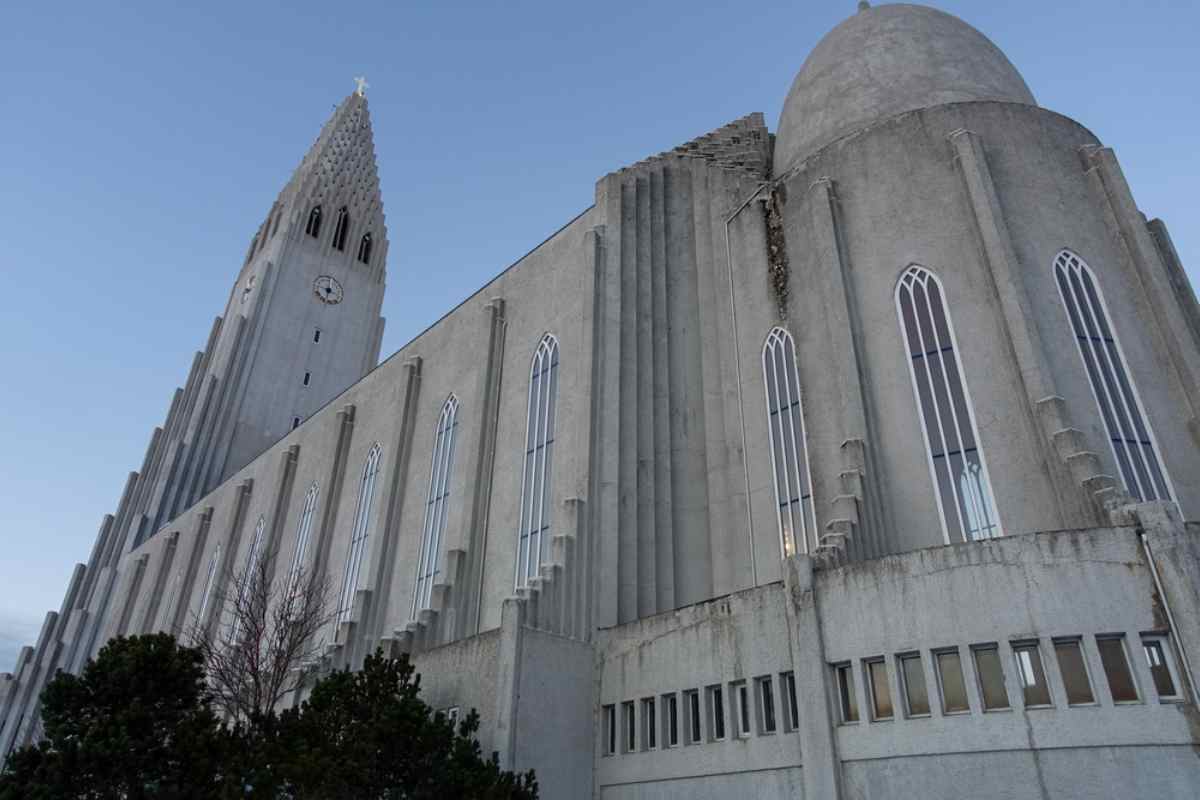
That’s what he was aiming for. Construction dragged from 1945 to 1986. Blame funding. Blame ambition. It stands 73 meters tall. That’s 240 feet of ‘yes, you can see it from almost anywhere.’ Take the elevator to the top. Tickets are sold inside and cost roughly 12 USD.
The line is short if you go before 10 a.m. or after dinner. Just behind it, there’s a quiet garden full of Einar Jónsson’s sculptures. It’s free. It’s weird. It’s worth it. Most people miss it. If you're figuring out what to see in Reykjavík without wasting time, start here. Stare up. Go inside. Then sneak around the back and let the crowds pass you by.
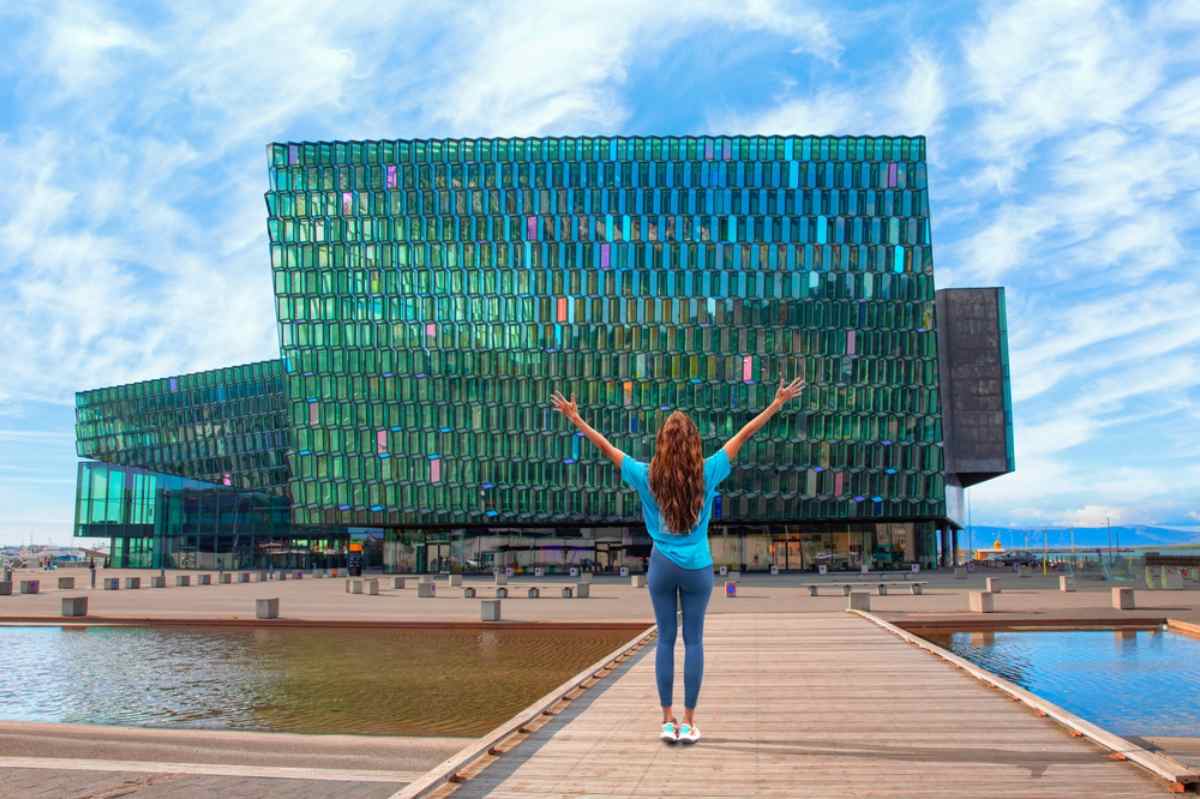
Our Harpa Concert Hall doesn’t charge you a cent to walk in. That already puts it high on the list of free things to do in Reykjavík. It’s Reykjavík’s concert hall, conference center, and glowing glass box by the sea. The design came from Henning Larsen Architects, with Icelandic artist Ólafur Elíasson shaping the façade. Think hexagons, shadows, and shifting light. That’s the whole show.
You can explore the lobby without a ticket. It’s open daily. Snap a few photos, grab a coffee, stare out at the harbor. No pressure to buy anything. At night, the building lights up. Locals and tourists line up across the water just to catch the reflections.
Concerts and exhibitions happen all the time. Some cost money. Some don’t. Check the schedule if you’re curious. If not, just walk through, soak it in, and move on. For anyone trying to stretch their króna, Harpa hits the sweet spot.
The Sun Voyager, or Sólfar, was unveiled in August 1990. It was the final work of Icelandic artist Jón Gunnar Árnason, who sadly passed away in 1989 before seeing it completed. He described it as a dreamboat, not a Viking ship. A tribute to the sun. A symbol of freedom, progress, and the endless pull of discovery.
The sculpture is made of stainless steel and sits on a granite base along Sæbraut, facing Faxaflói Bay. It’s one of the most photographed spots in town and easily one of the top free things to do in Reykjavík. No entrance. No opening hours.
Go early or around golden hour if you care about clean light. Mount Esja makes a fantastic backdrop when the weather cooperates. From here, follow the harbor path toward Harpa or keep walking toward the Old Harbor.
Perlan sits on top of Öskjuhlíð hill, just outside the city center. It’s one of those Reykjavík attractions that actually delivers. The building itself is built on six old water tanks, topped with a glass dome that you can see from almost anywhere in town.
Inside, there’s a lot going on. A real indoor ice cave. A 360° observation deck with views over the city, Faxaflói Bay, and the surrounding mountains. A planetarium with a Northern Lights show. Interactive exhibits on volcanoes, glaciers, and geothermal energy.
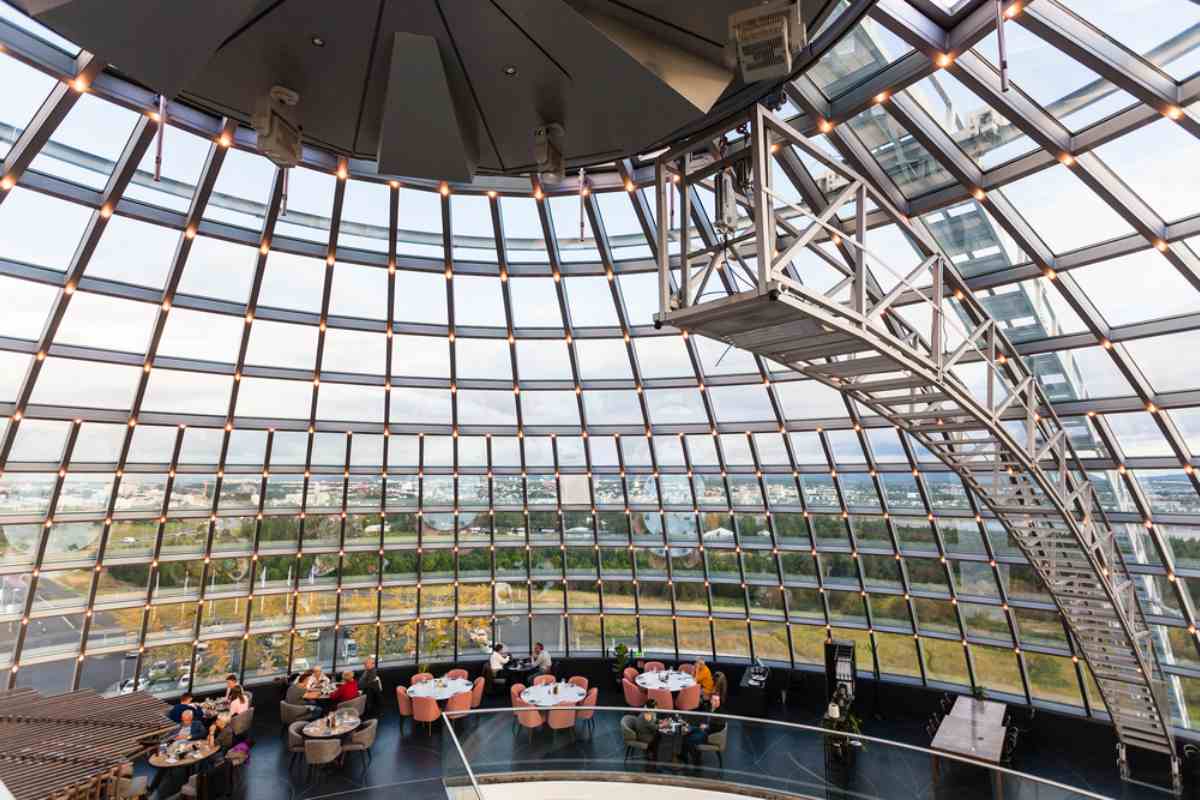
It’s indoors, so it’s a smart pick when the weather turns or the wind picks up. There’s also a revolving restaurant and a café with some of the most awesome views in town. General admission is ticketed. Full access costs around 50 USD per adult. You can book online to skip the queue. Afterward, the trails around Öskjuhlíð forest give you a quiet nature break before heading back into the city.
Laugardalur Park is where Reykjavík locals go to stretch out. It’s free to enter, easy to reach, and packed with enough to fill half a day. If you’ve got kids or just need a nature break in your Reykjavík itinerary, it works.
The Reykjavík Park and Zoo is inside the park but charges admission. It focuses on Icelandic animals like arctic foxes, seals, reindeer, sheep, and more. Small but well-kept. There are also kid-friendly rides like a mini train and carousel, depending on the season.
Next to it, there’s one of Reykjavík’s largest geothermal pools. There’s also a quiet botanical garden and a skating rink if you’re here in winter. Locals bring food to the picnic and grill areas, but there’s a restaurant if you didn’t plan that far ahead. You can get here in under 10 minutes by bus or e-scooter from downtown.
Reykjavík museums aren’t all the same, and these two prove it. The Reykjavík Art Museum is spread across three locations and focuses on modern and contemporary art. Expect rotating exhibitions, installations, and permanent collections from Icelandic heavyweights like Erró and Kjarval.
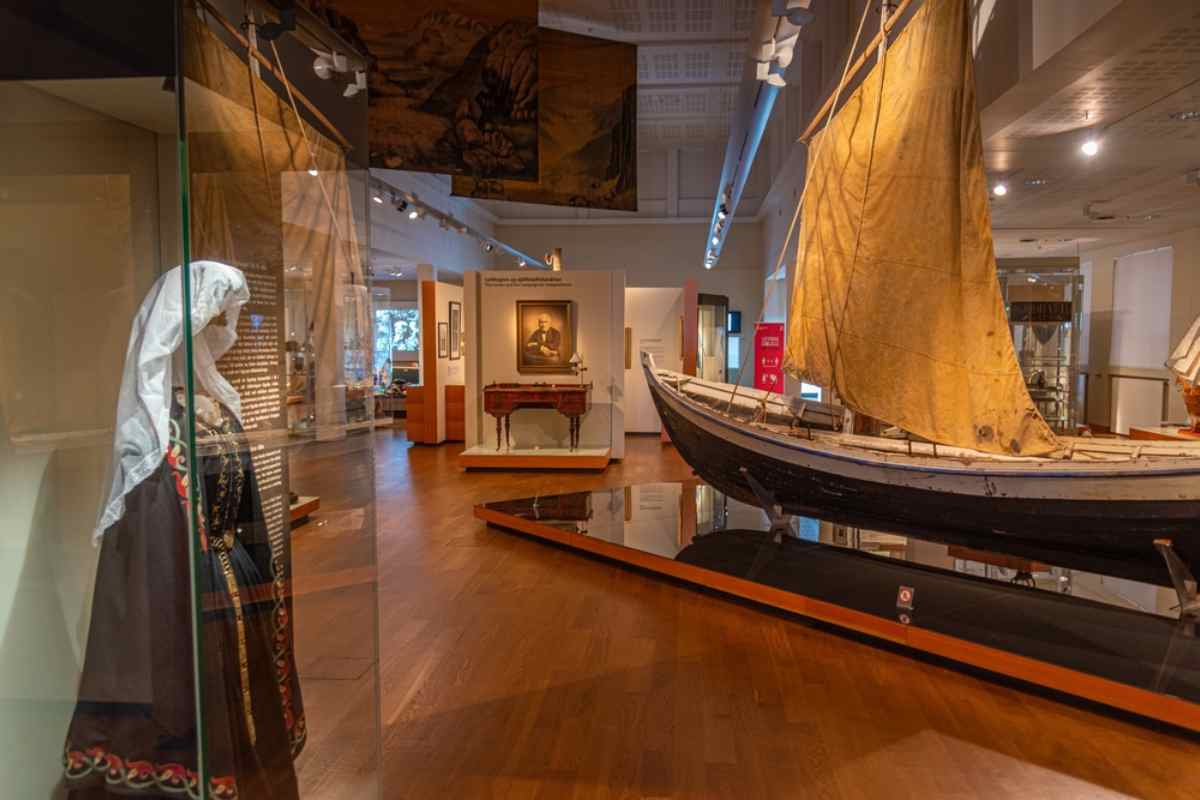
It’s for anyone curious about what Icelandic creativity looks like right now. Then there’s the National Museum of Iceland. It’s more about the past. Think Viking tools, religious relics, early manuscripts, and everyday objects that built the culture. If you want context for what you’re seeing around the country, this is where you get it.
Tickets cost about 18 USD for the Art Museum and 24 USD for the National Museum. Student discounts apply. Hours shift with the seasons, so double-check before you go. Reykjavík museums do rotate their exhibits often, so even repeat visits don’t feel like reruns. You’ll get something different every time.
Apart from the usual sights we mentioned above, there are also a couple of surprisingly unique places you should definitely check out. Here’s where we recommend you visit as well:
If you’re looking at day trips from Reykjavík that don’t involve driving for hours, start with the hot water. Sky Lagoon and Blue Lagoon both deliver the soak, just in different ways. Sky Lagoon is newer. Closer. Built into a cliff just outside the city. The view looks out over the ocean, not a parking lot.
There’s a swim-up bar and a 7-step ritual that ends in steam and cold mist. It’s calmer, more grown-up, and locals are starting to catch on. Tickets start at 110 USD and include towel rental. Blue Lagoon is bigger and busier. It’s halfway to the airport and always packed.
The water is that famous milky blue, but expect crowds. Basic entry is around 100 USD, with towels depending on your package. Book both in advance. Early morning is your best shot at peace. If you just want heat without the fuss, Reykjavík’s local pools cost about 10 bucks and do the job as well.
Nauthólsvík Geothermal Beach is one of the more unexpected things to do in Reykjavík. It’s a man-made lagoon where hot geothermal water is mixed with cold sea, keeping the shallow area between 15 and 19°C (59 to 66°F). There are hot tubs too, and yes, you can plunge into the ice-cold sea if you’re feeling bold.
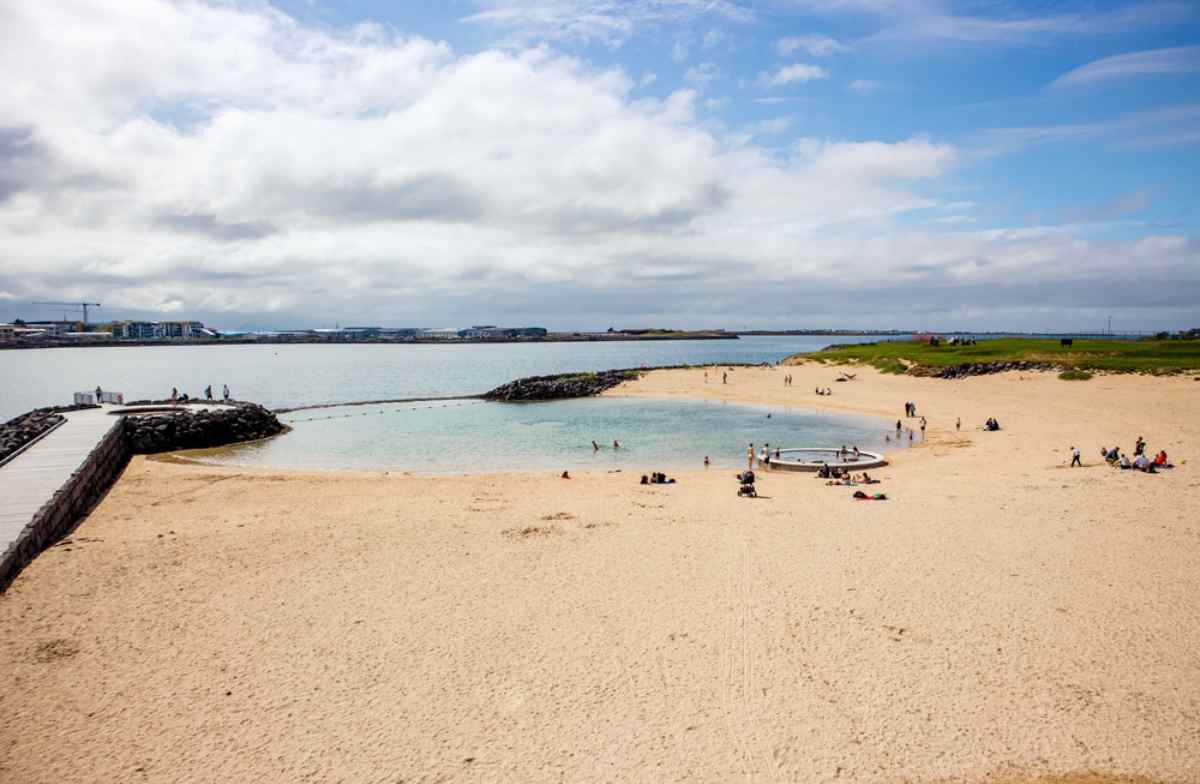
In summer, entry is free. From mid-May to mid-August, you walk in, grab a spot, and enjoy. Winter access costs around 7 USD for adults. Kids under 18 get in free. You can rent a towel for about 5 USD and swimwear for around 10 USD.
Facilities include showers, changing rooms, and a small café. Locals take the rules seriously. Shower before entering, no shortcuts. It’s near the domestic airport, easy to reach by bus or scooter. One of the few places where you can swim in the North Atlantic and still feel your toes.
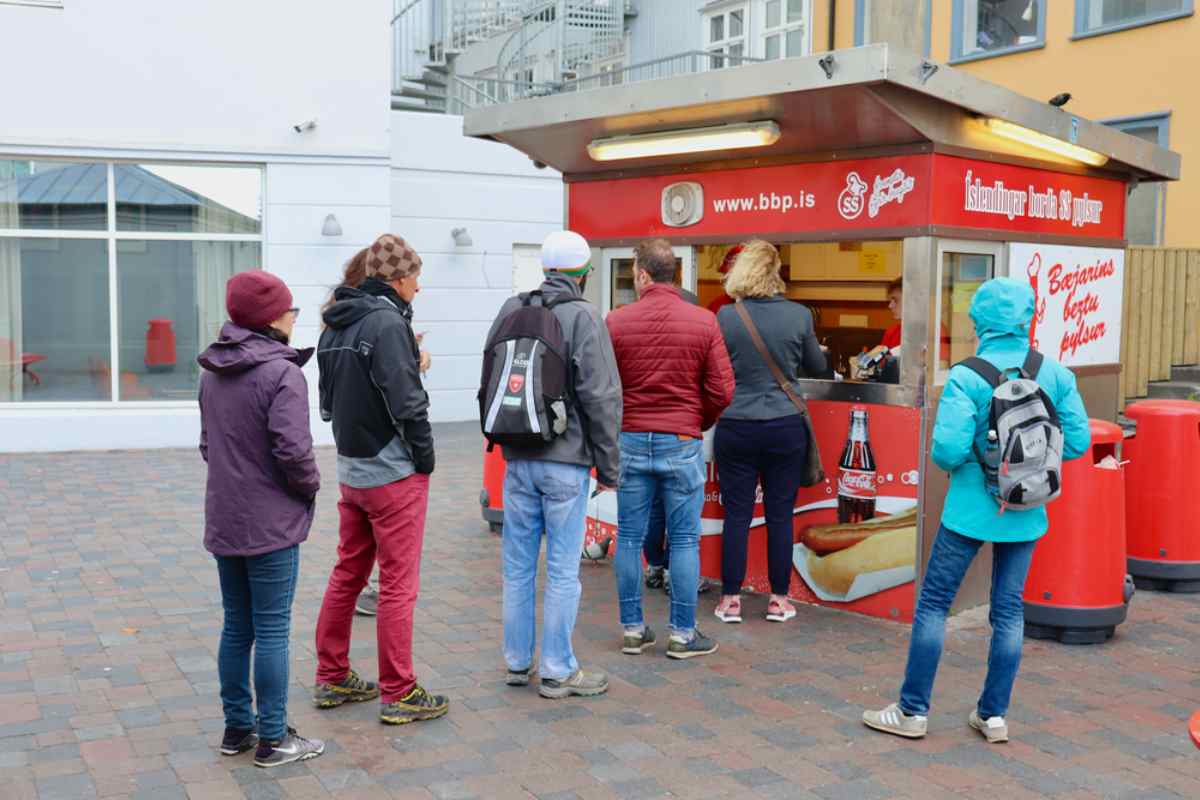
Reykjavík’s food scene offers a mix of traditional Icelandic flavors and modern culinary trends. Must-try local dishes include pylsur, Icelandic hot dogs famous for their crispy onions and mustard, fresh cod prepared simply to highlight its flavor, hearty lamb soup perfect for cooler days, and Skyr, a creamy, thick dairy dessert rich in protein.
For authentic experiences beyond tourist traps, visit popular local spots such as Bæjarins Beztu Pylsur, famous for hot dogs, and Kaffivagninn, a cozy harbor-side café with classic dishes. Reykjavík also boasts a lively craft beer scene with microbreweries producing innovative brews. Happy hour culture thrives around town, alongside a growing emphasis on quality craft coffee.
For those wanting to splurge, seafood tasting menus in high-end restaurants or guided food tours provide a deeper exploration into Iceland’s ocean-to-table cuisine, blending tradition with contemporary flair for a memorable culinary adventure.
Reykjavík’s nightlife doesn’t warm up until midnight. That’s when the runtur kicks off. It’s not an event, it’s a habit. Locals hop between bars, meet up with friends, and don’t check the time. The streets don’t clear until 4 or 5 a.m. on weekends.
Live music still runs the scene. Kaffibarinn and Húrra bring in local bands, anything from indie to experimental folk. If you’re after DJs and a packed floor, try Paloma or Röntgen. Expect strong drinks, loud bass, and no dress code.
For something more laid-back, try Kaldi Bar for Icelandic craft beer or Dillon if you want whisky with your live music. Prikið mixes old-school vibes with amazing cocktails and late-night burgers.
Drinks are expensive. Beer goes for 6 to 9 USD. Most people pre-drink at home or chase happy hour deals. Try a shot of Brennivín or a weird licorice-flavored Opal. If you’re going out once, make it a Friday or Saturday.
Reykjavík’s shopping scene lives on two streets: Laugavegur and Skólavörðustígur. These aren’t malls. Just a long stretch of local design, overpriced knitwear, and shops that actually have some charm.
You’ll find real Icelandic wool gear here. Sweaters, scarves, and hats that aren’t made in China. They’re not cheap, but they last. For gifts, the handmade jewelry stands out. A lot of it draws on Icelandic nature, but not in a cheesy way.
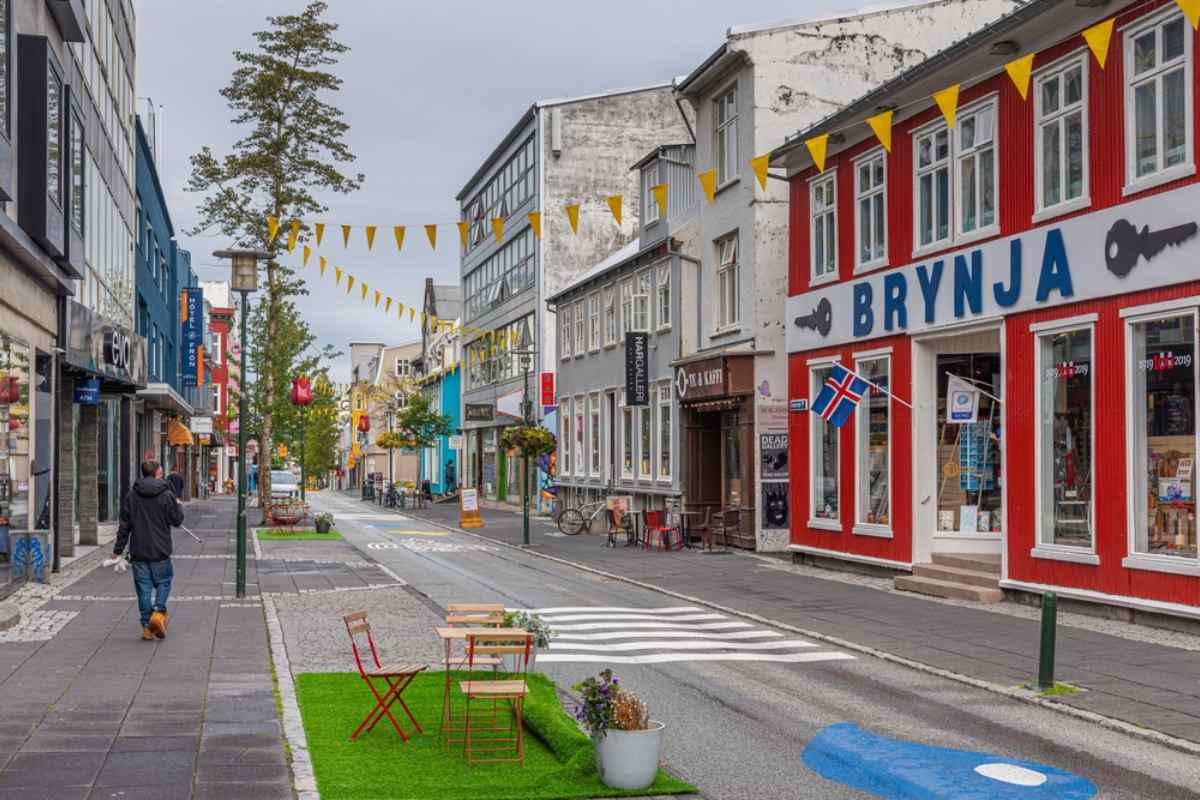
Souvenir shops are everywhere. Some sell the same factory junk. Others carry small-batch stuff that feels personal. If you're after books, head into one of the local indie bookstores for Icelandic lit and oddball titles.
Reykjavík’s shopping breaks well with a pastry. Sandholt is the go-to, but Te & Kaffi also works. Walk, browse, repeat. Whether you’re buying or just killing time, this is the city’s retail backbone.
As you might know, a holiday trip to Iceland can cost an arm and a leg. Thus, if you want to save a bit of cash, here’s what we recommend you do that is free for you to enjoy:
Reykjavík’s sightseeing doesn’t stop at museums and monuments. The city’s street art scene is everywhere if you know where to look. This isn’t rogue tagging. Many murals are funded by local councils or created as part of public art programs. They shift with the seasons, political moods, and who’s holding the spray can.
Start around the side streets off Laugavegur. Plenty of big, strange, and beautiful pieces are hidden behind boutiques and bars. Then head to the Grandi area, a once-industrial zone now full of warehouses covered in full-wall art.
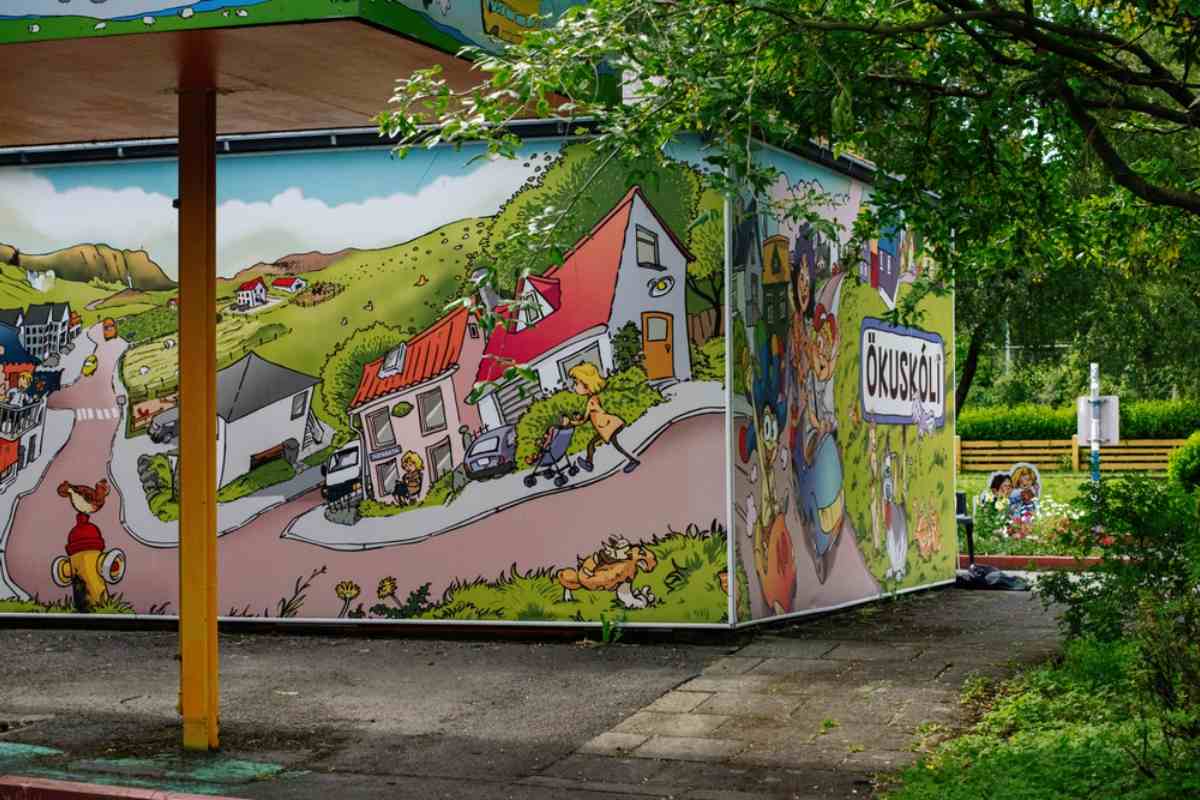
Some of it leans cultural. Some of it just looks cool. Either way, bring a camera. Or don’t. Just walk and see what shows up. You can find street art maps online if you want structure. But part of Reykjavík’s sightseeing charm is stumbling across something unexpected.
Reykjavík City Hall sits quietly beside Tjörnin Pond and doesn’t ask for a single coin to enter. That makes it one of the smarter free things to do in Reykjavík if you’re downtown and want a breather. Inside, there’s a massive 3D relief map of Iceland, taking up over 76 square meters (around 820 square feet). It shows the country’s raw topography in full detail.
Mountains, glaciers, volcanoes, you name it, it’s all there. Locals use it to plot road trips. Tourists stare at it and realize how much they won’t have time to see. Either way, it’s worth a stop.
Step back outside and you’re at Tjörnin. Swans, ducks, and still water that mirrors the sky if the wind lets it. Grab a bench. Or a coffee from the nearby cafés. You won’t need a guide. Or a plan. This corner of Reykjavík does fine on its own.
Reykjavík Botanical Garden doesn’t make a lot of noise, but it’s one of the better low-key Reykjavík attractions if you’re craving space and silence. Tucked next to Laugardalur Park, it covers an impressive stretch of green with over 3,000 plant species split across themed sections.
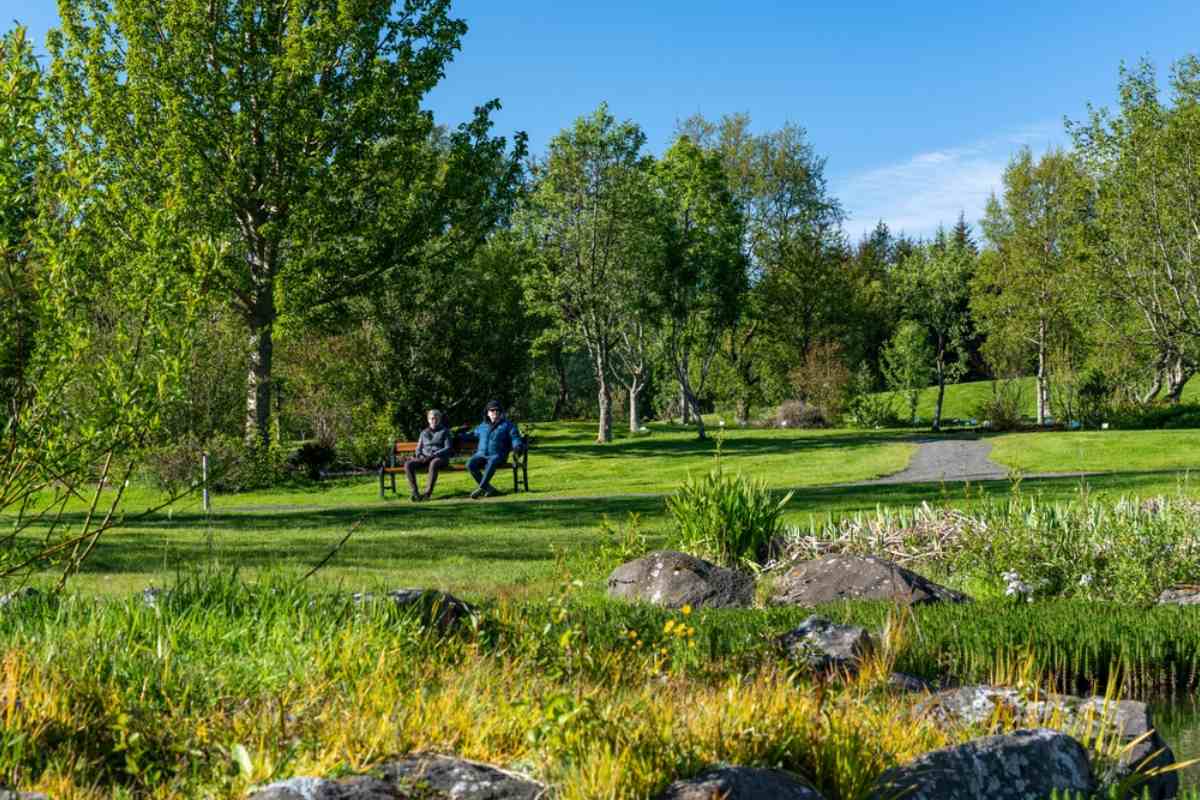
Think Arctic plants, medicinal herbs, native Icelandic shrubs, and summer blooms that actually show up when the weather plays along. Entry is free. That’s reason enough to stop by. There’s a rock garden, walking paths, and plenty of benches if you just want to zone out. Birdlife comes and goes depending on the season.
Flóran Café sits right in the middle. It’s quiet, not overpriced, and surrounded by trees. You can bring a book or just wander with no plan.
If you’ve got a rental car and want to wander outside of the city limits, then here are some day trip ideas for you all drivable within a few hours:
The Golden Circle is the Reykjavík tour that everyone does, and honestly, for good reason. It hits three big spots in one loop. Thingvellir National Park, where the tectonic plates drift and Iceland’s parliament was born. Geysir, where hot springs snap and steam. And Gullfoss, a double-drop waterfall that actually earns the stop.
The full loop runs about 230 kilometers, or 140 miles. Plan for six to eight hours, longer if you wander or stop for lunch. A lot of Reykjavík tours add extras like the Secret Lagoon near Flúðir for a hot soak or a meal at Friðheimar, where everything on the table is tomato-based and grown in a greenhouse.
You can self-drive or go guided. If you want fewer crowds, leave early. Sunrise, if you can stand it. The road is easy and mostly paved.
Whale watching is one of the easiest and most rewarding day trips from Reykjavík. Tours depart from the Old Harbor and take you into Faxaflói Bay, where marine biologists and guides help spot the action.
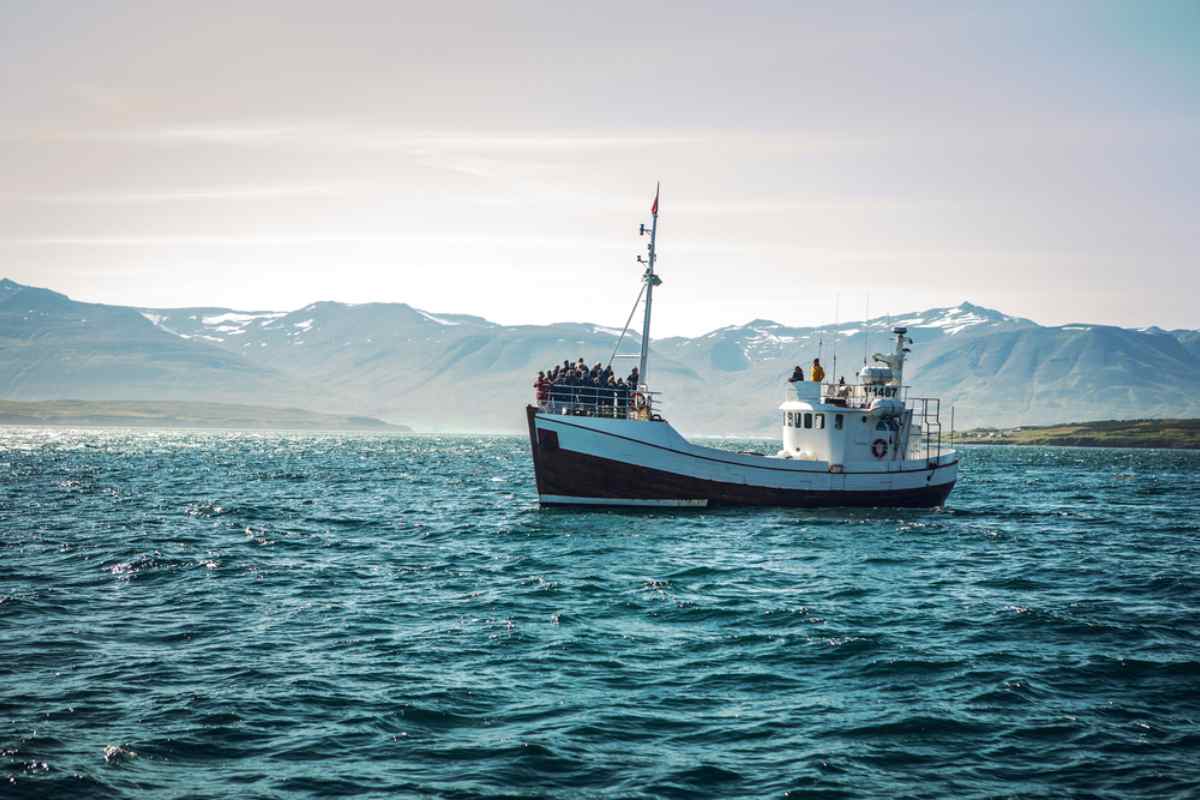
Expect regular sightings of humpback whales, minke whales, white-beaked dolphins, and harbor porpoises. If luck shows up, you might also see killer whales, fin whales, or long-finned pilot whales. Birdlife here is amazing too. Puffins in summer, arctic terns, northern gannets, and whatever else is chasing fish that day. All of it plays out against mountain views and open sea.
The season runs year-round, but April to October is your best bet for calm water and activity. Dress warm, always. Bring gloves and something windproof. Seasickness tablets help. Ethical operators follow responsible wildlife guidelines. You can upgrade to Premium Whale Watching or combine the tour with puffin spotting in summer or a Northern Lights cruise in winter.
If you’re chasing the Northern Lights, this is one of the smartest things to do in Reykjavík from late August to mid-April. David the Guide’s private Northern Lights tour skips the crowded buses and puts you with a pro guide and a dedicated aurora photographer. Photos are included, edited, and emailed within seven days.
Pick-up is from your hotel, guesthouse, or the nearest bus stop. Departure depends on sunset or the time you arrange. The tour only runs if conditions look promising, and you’ll get a confirmation by 5 PM. If it’s off, you’ll know.
The bus is heated. There’s hot chocolate, tea, coffee, and cookies. Nothing fancy, just what works. You’ll head out past city limits to avoid light pollution. How far and where depends on cloud cover.
Reykjavík is easy to enjoy if you know how the city works. A few smart choices will stretch your time, your budget, and your patience.
Geothermal pools, weird art, strong coffee, and the fact that you can leave the city and hit a volcano before lunch. It punches above its weight.
Two to three days if you’re sticking to the city. Add a fourth or fifth if you’re using it as a base for day trips like the Golden Circle or whale watching.
Yes. The city center is tight and easy to explore. Just watch for icy sidewalks and sideways wind from October to April. You’ll feel it.
Yes. Meals start at 20 USD. Hotels and tours add up fast. Budget travelers survive on hostel kitchens, free walking tours, and the odd hot dog.
Happy hour apps like Barhopp cut drink prices in half. Bonus and Krónan for groceries. Most attractions are outside, public, and don’t cost a thing.
Reykjavík is more than a pit stop. It’s where your trip actually starts. Culture, nature, and hot pools within walking distance, then wild landscapes just beyond the city limits. Lock in your base here before roaming the rest of the island. The good stuff is close, but freedom makes it better. Check out our fleet and pick something that fits the ride, not the Instagram.
For Reykjavík and day trips, we recommend:
Book early if you’re coming in the summer. The good cars vanish fast. So do the hot dogs.
Ready to explore Iceland? Book your rental car today.
Book now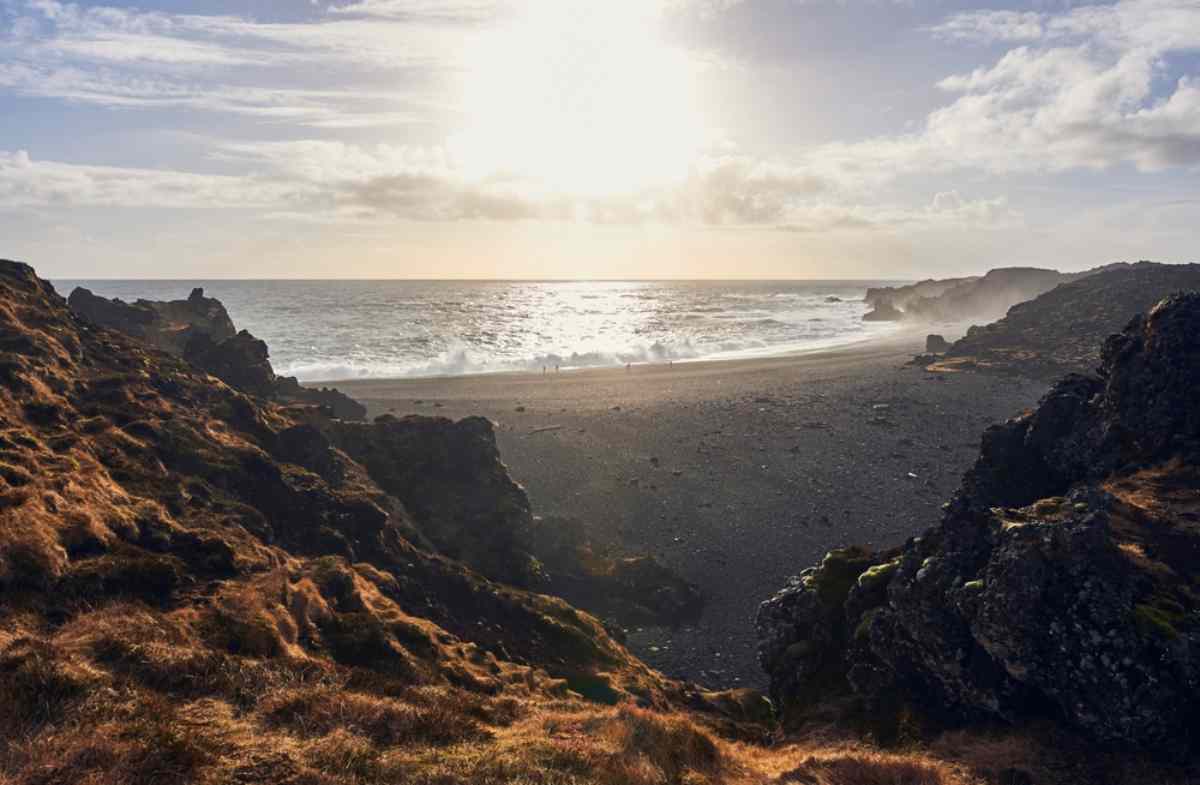
Discover Djúpalónssandur beach in Iceland—its beauty, history, and more. Read this article before you go!...
Read More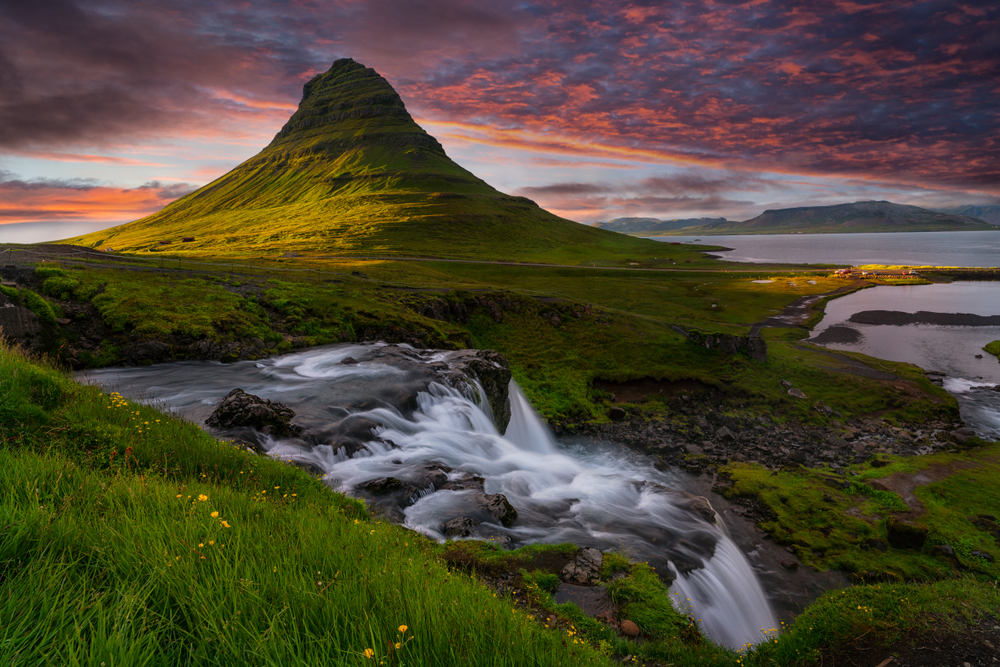
Follow our Snæfellsnes Peninsula self-drive tour itinerary or discover a guided tour to enjoy all the top Snæfellsnes Pe...
Read More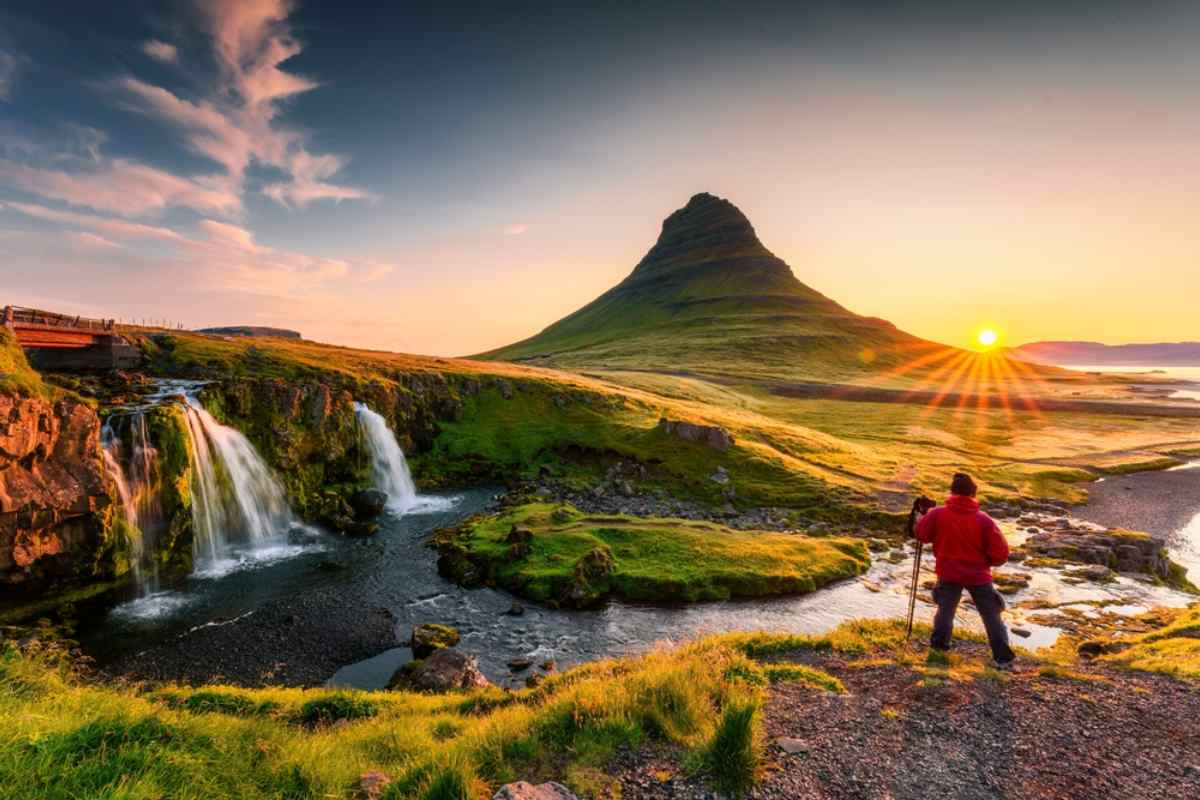
Visiting Iceland in April gives you the perfect chance to explore the natural wonders of this incredible island in the w...
Read More